Tibet
Autumn 2014
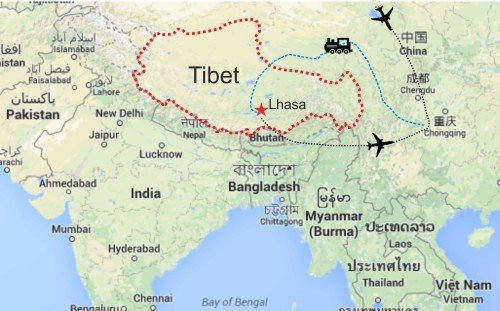
The journey in brief: We flew to China — Chongqing — and after a couple of days continued by train to Tibet and Lhasa. After a week in Lhasa, we returned by plane via Chongqing.
We used Dagama Travel as our Danish travel agency in order to obtain the required visa for Tibet.
The train journey to Lhasa was on the famous Qinghai–Tibet Railway (the "Heaven Train"), which crosses the Tibetan plateau and reaches altitudes above 5,000 metres.
Tibet is a very beautiful country and Tibetans are kind and curious people. BUT since 2008 it has not been possible for tourists to move freely around the country. The Chinese government has decided that tourists may only move within the city limits of Lhasa. If you wish to travel outside the city, this can only be done with all the necessary special visas, pre-approved destinations, a local guide, and a Chinese "security person" — a burden that makes everything very complicated.
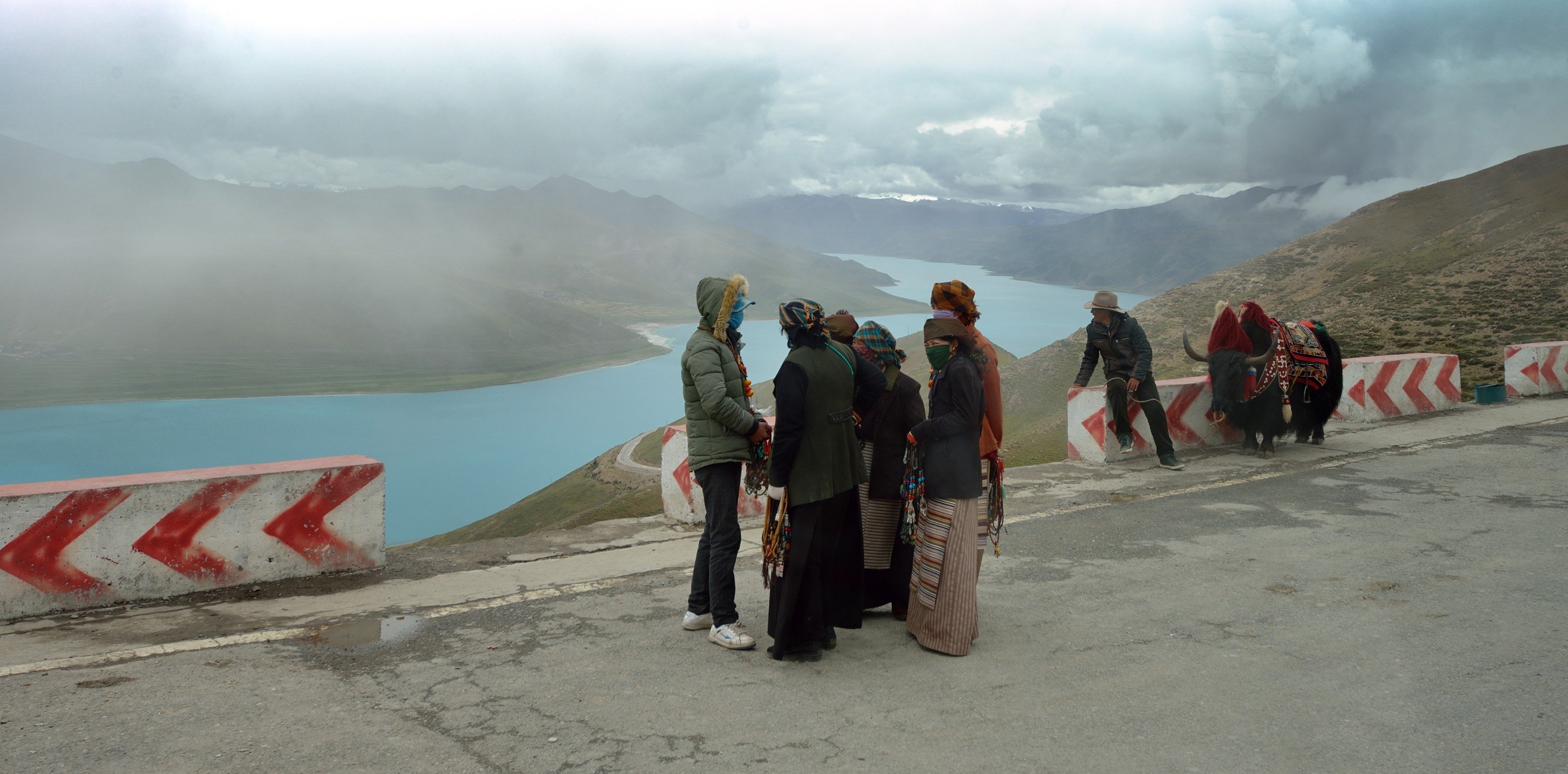
On a day trip to the holy lake Yamdrok, located approximately 120 km southwest of Lhasa, our bus was stopped 14 times at armed checkpoints checking passports and visas.
There is video surveillance everywhere — in buses, in taxis, at all hotels (though not inside the hotel rooms themselves). Cameras are positioned throughout Lhasa at approximately 50-metre intervals, combined with sensitive HD cameras equipped with powerful IR sources. In all monasteries where monks live under spartan conditions, new fibre cables have been laid everywhere to feed the camera network.
This is what Tibetans live with every single day.
Jokhang Temple and the Kora Pilgrims
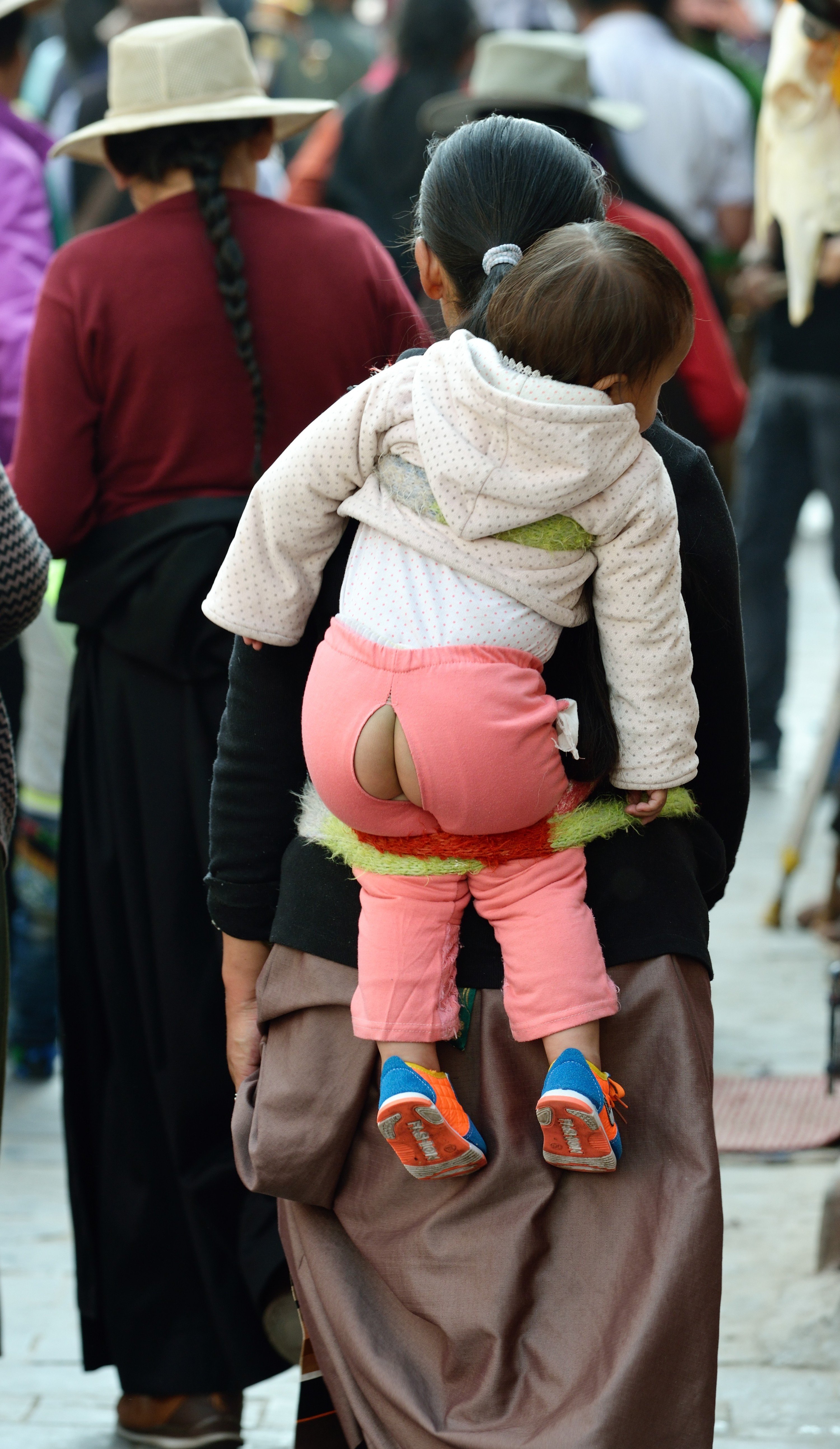
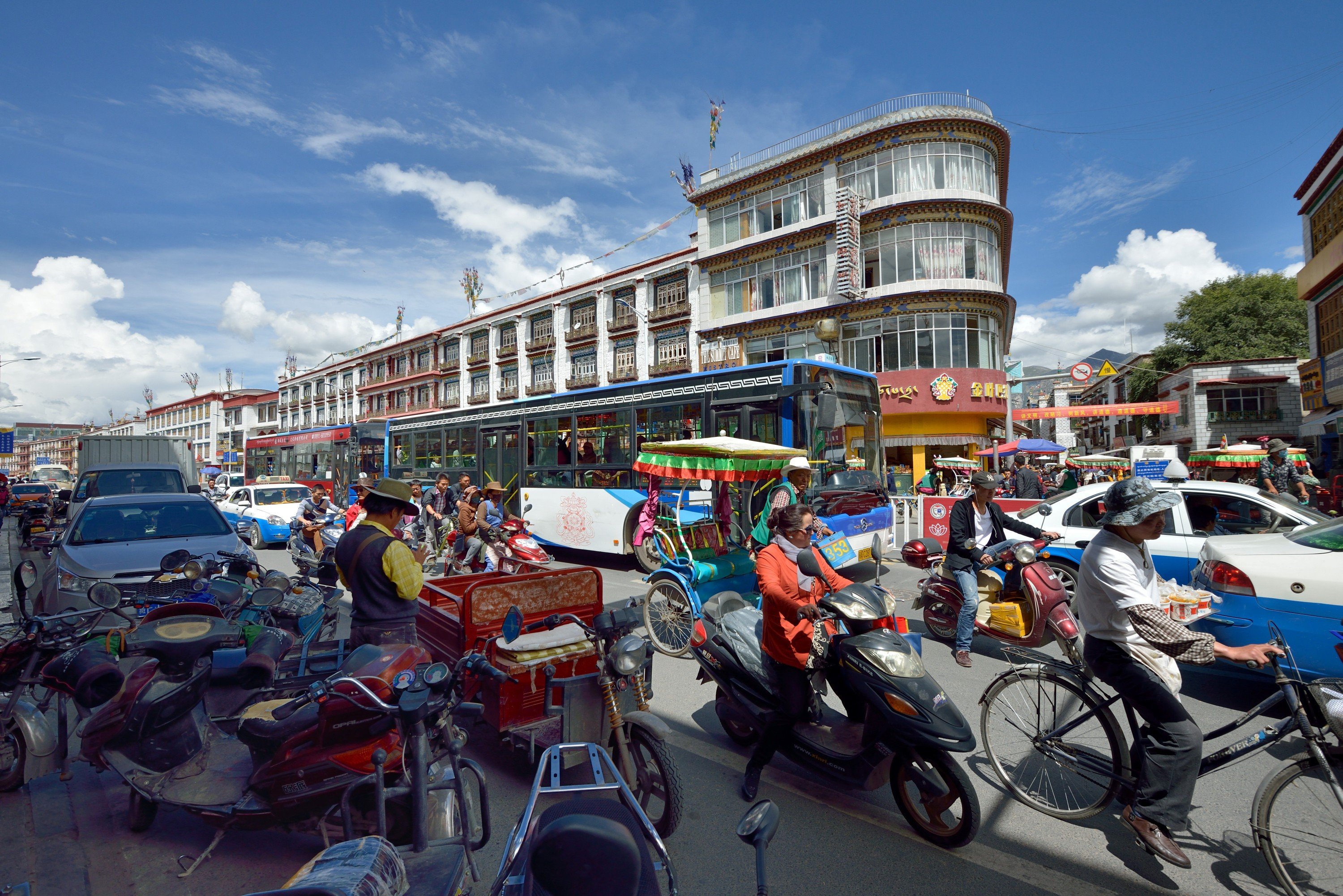
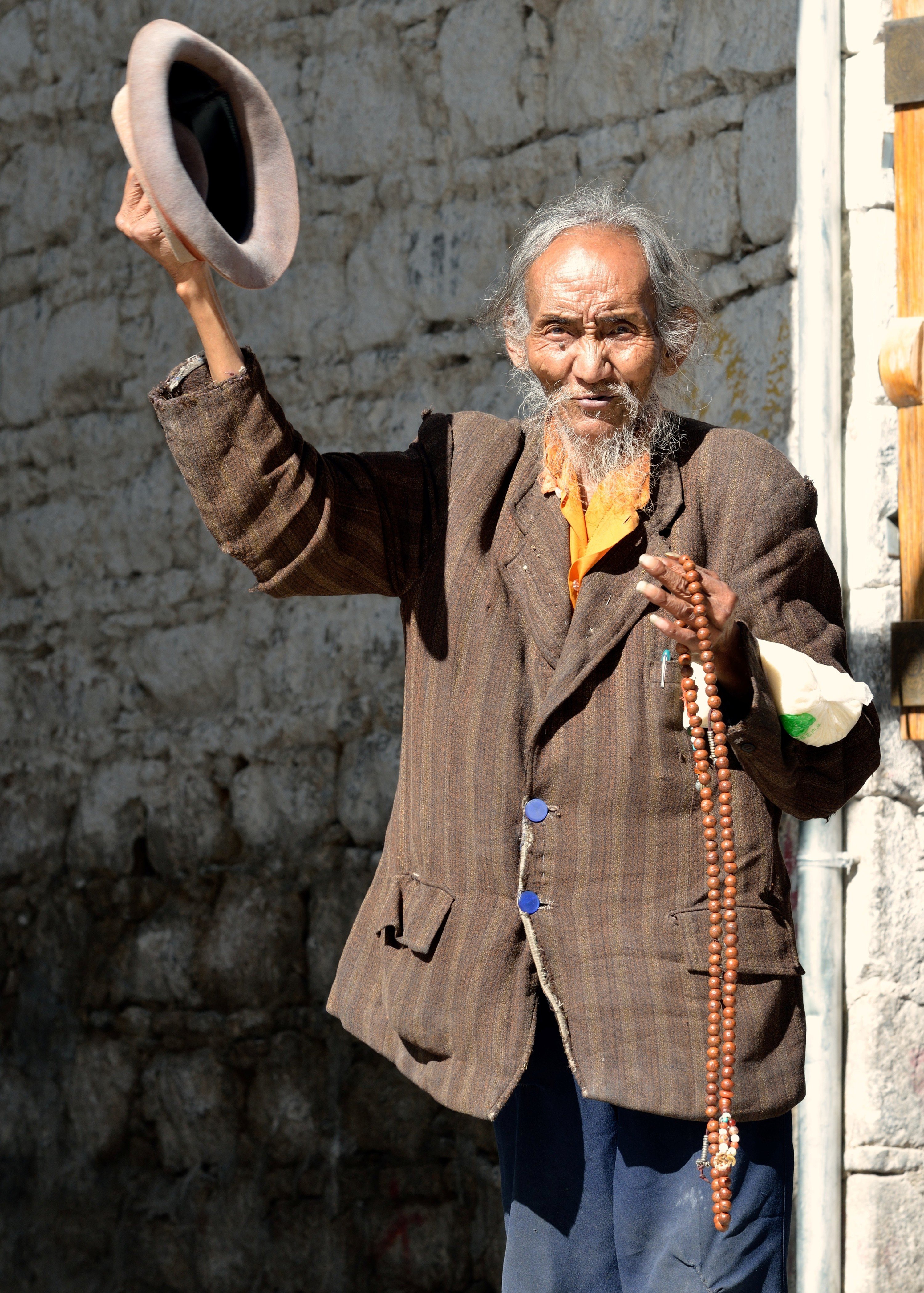
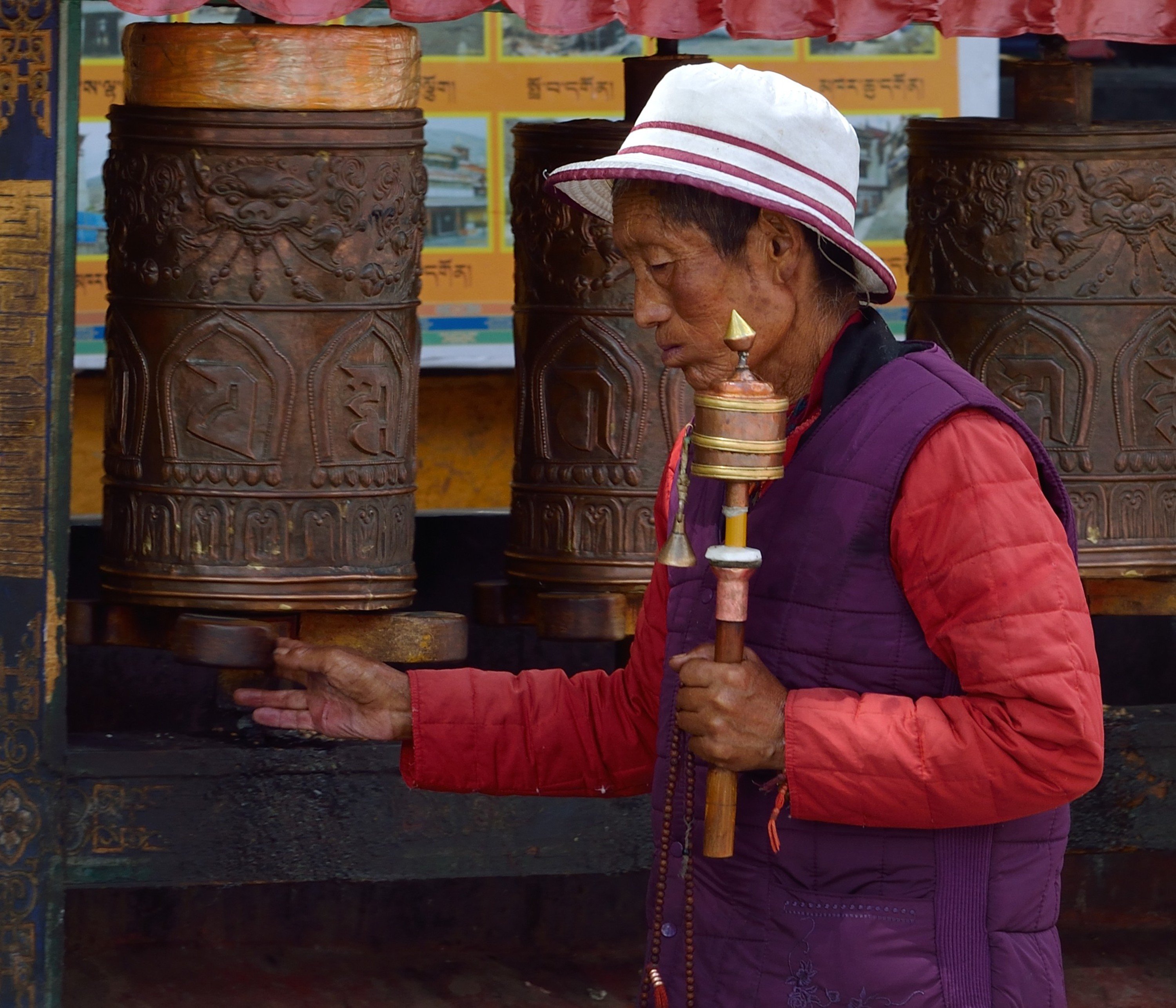
Lhasa is a remarkable city — every single day thousands of pilgrims come to walk the sacred circuit around the holy temples, a ritual called "kora". Many pilgrims have travelled from the remote outer regions of Tibet, which explains the great variety in dress and appearance. Between 3,000 and 10,000 Tibetans per hour walk the kora around the Jokhang Monastery each day.
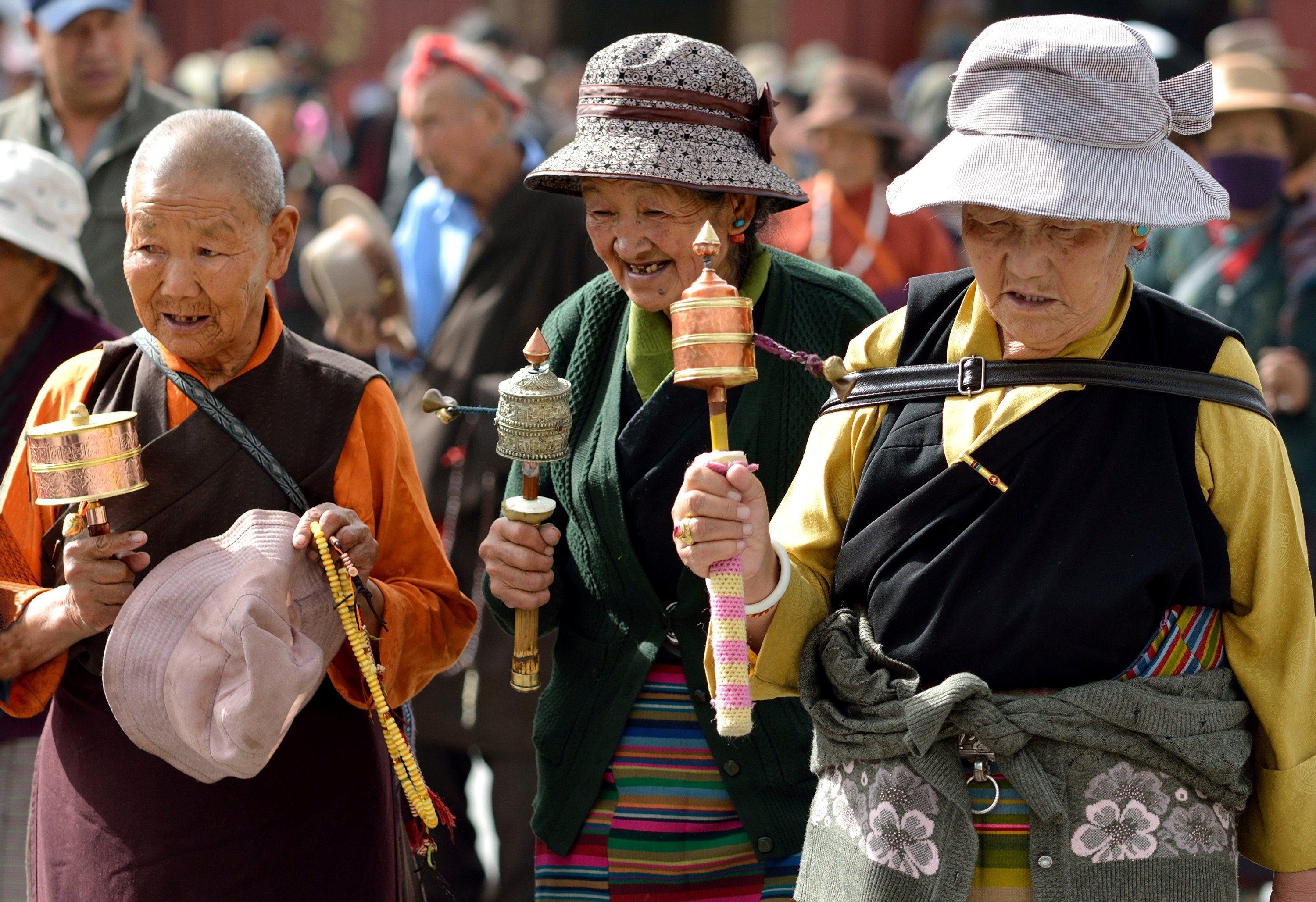
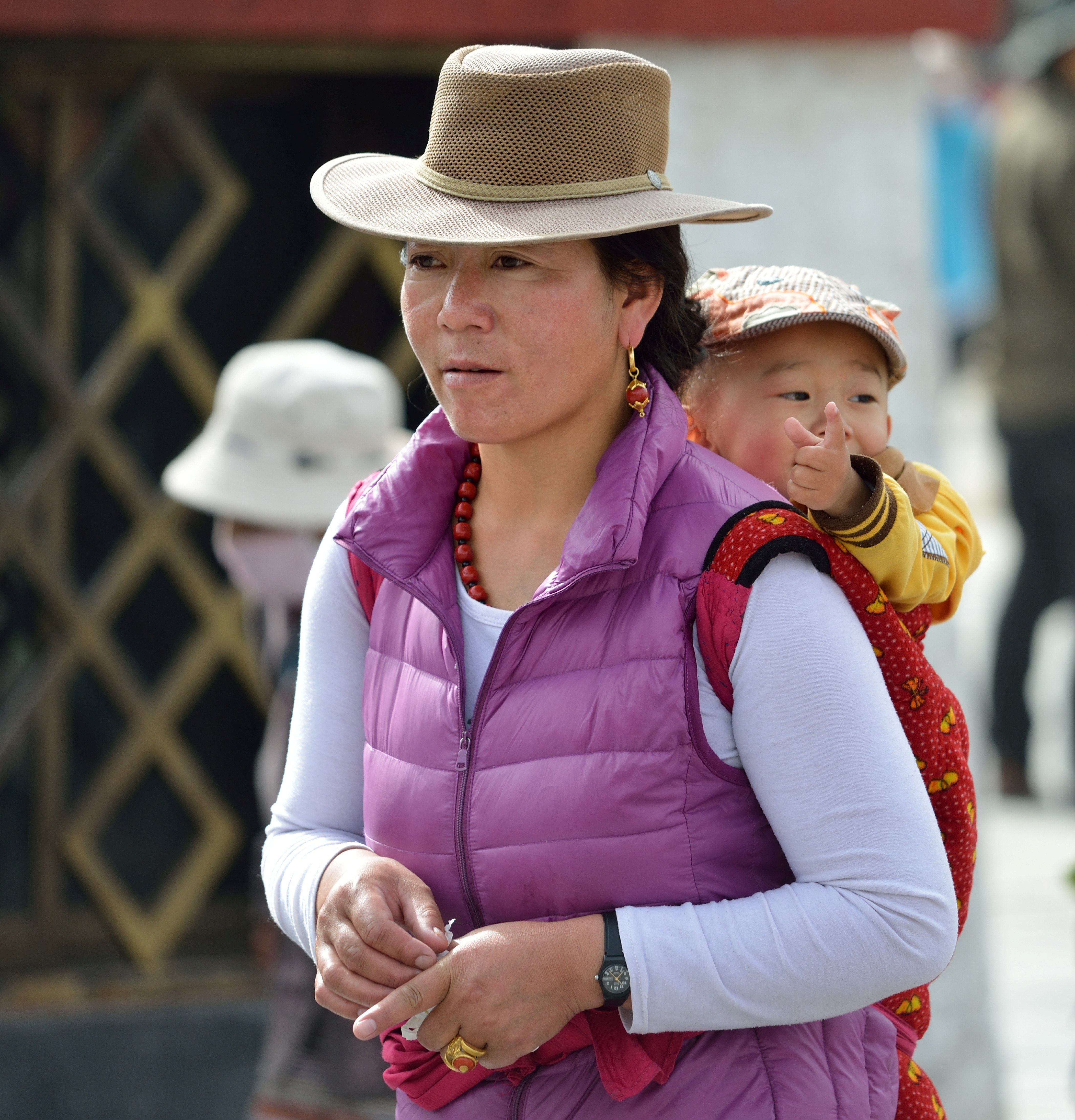
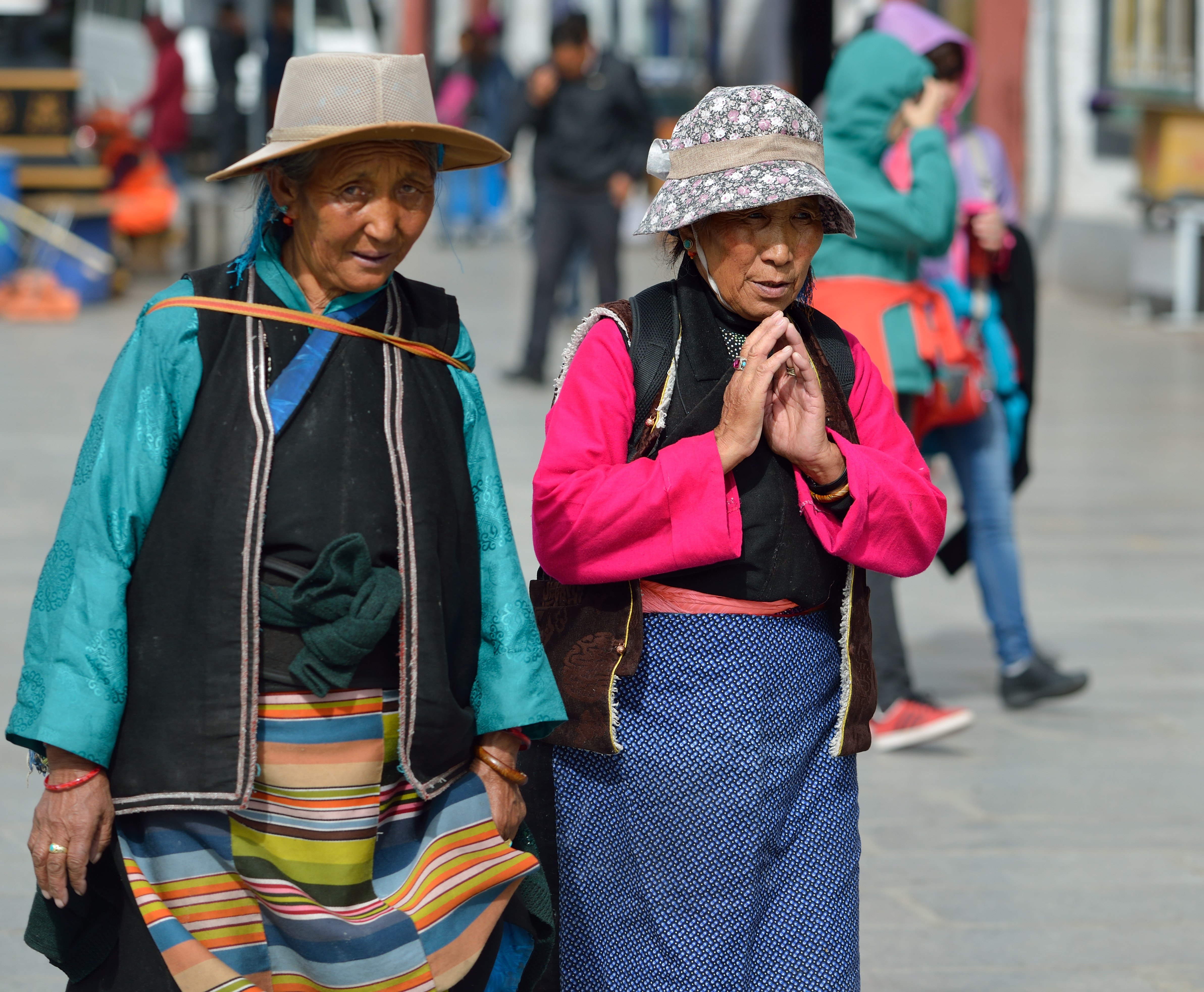
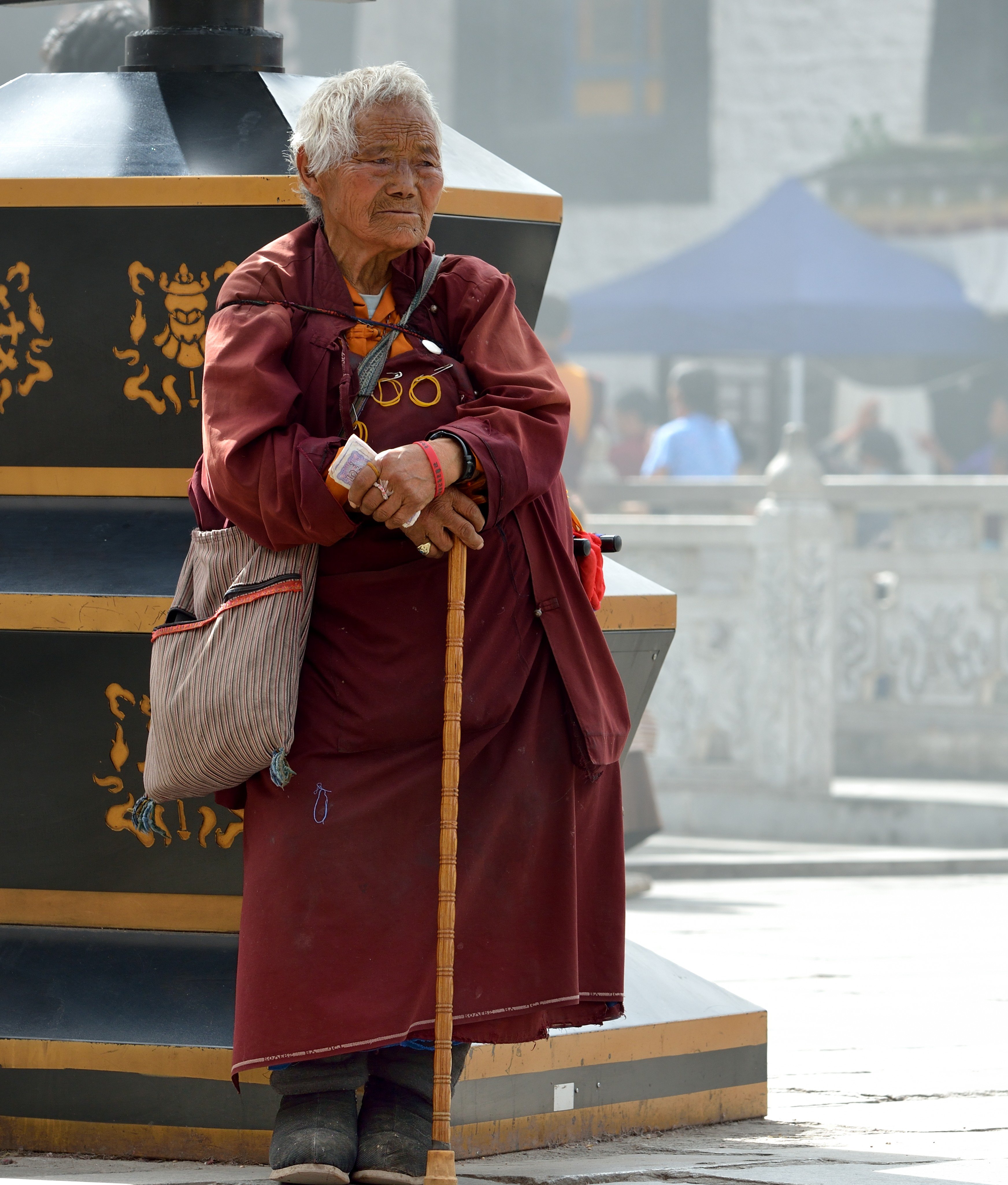
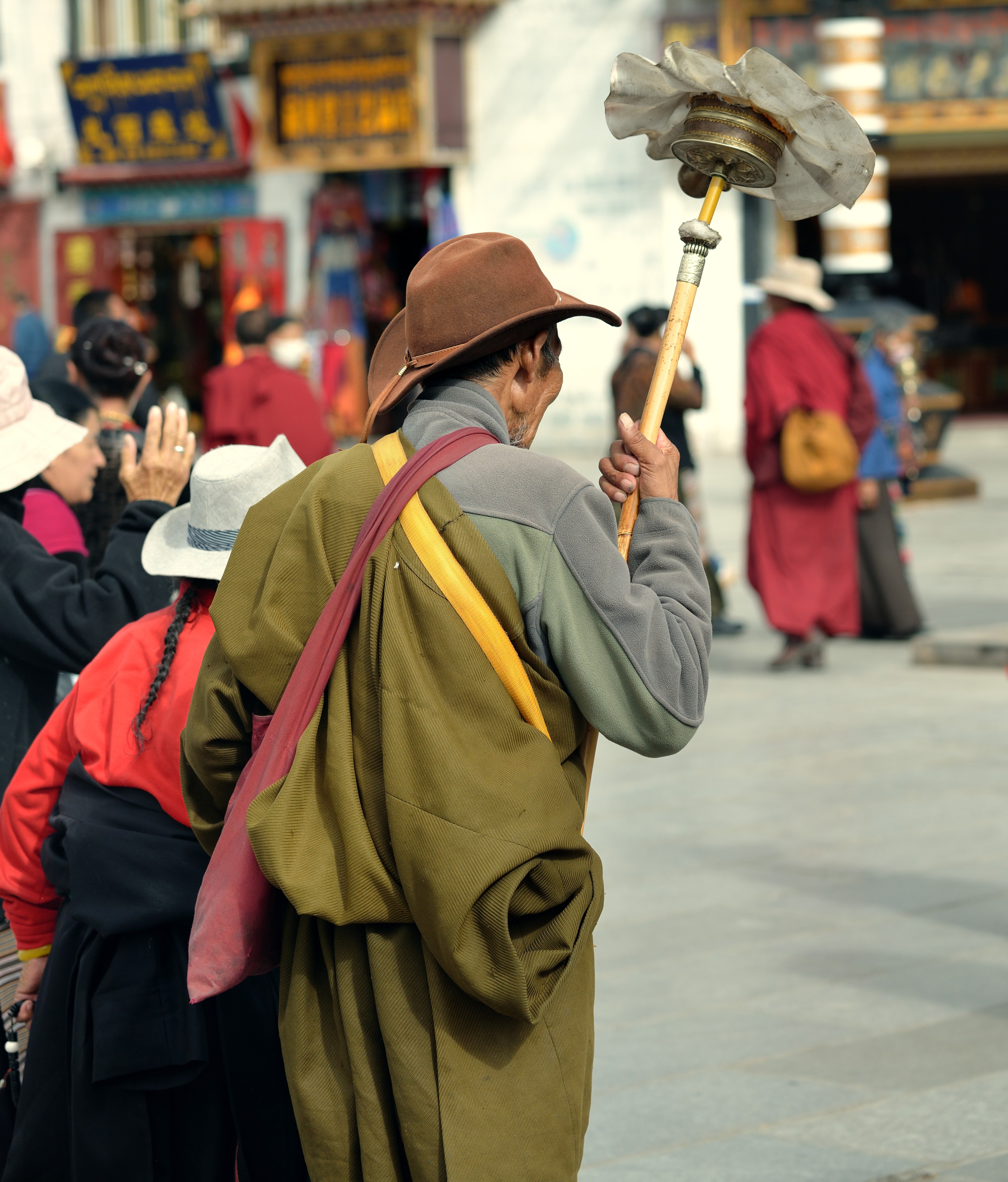
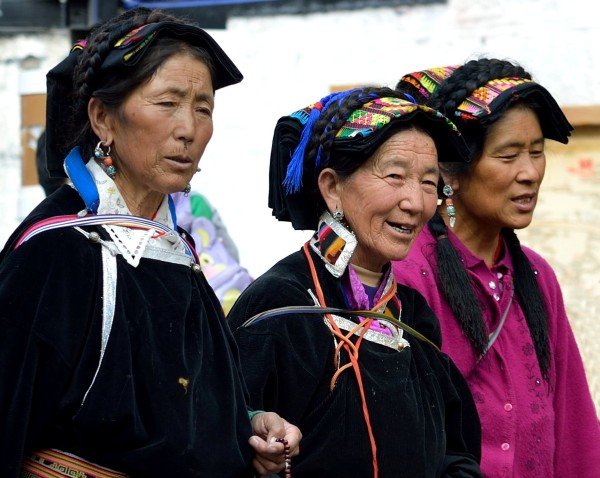
Notice the Tibetan hats — they consist of multiple layers of cloth held in place by braided hair. Inside the monastery, monks pray and bless passing pilgrims, while others prepare the large wax vessels sold at the temple gates. Most pilgrims simply walk the circuit, but some prostrate themselves every three steps — these devotees typically wear wooden hand protectors and knee pads.
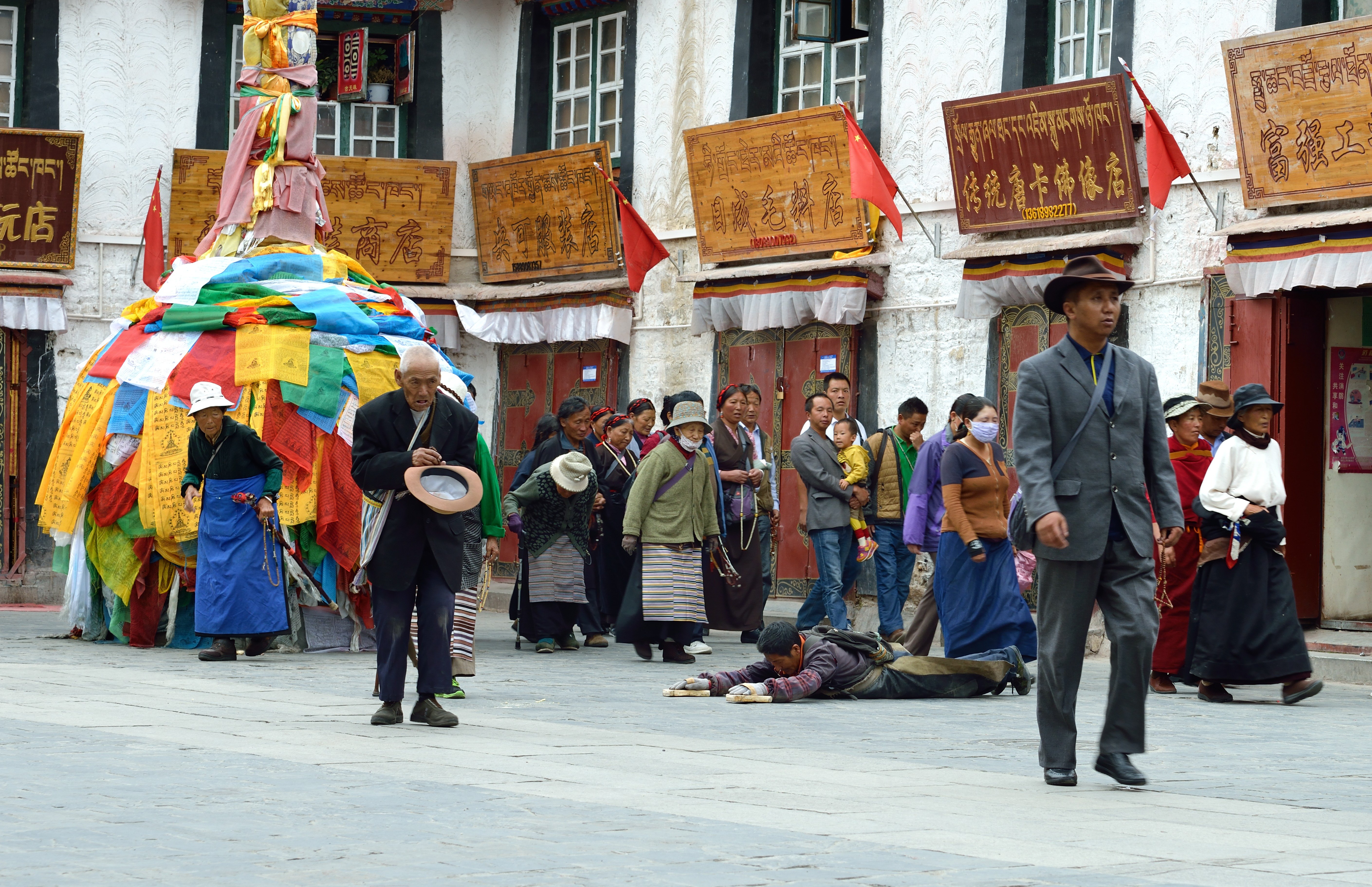
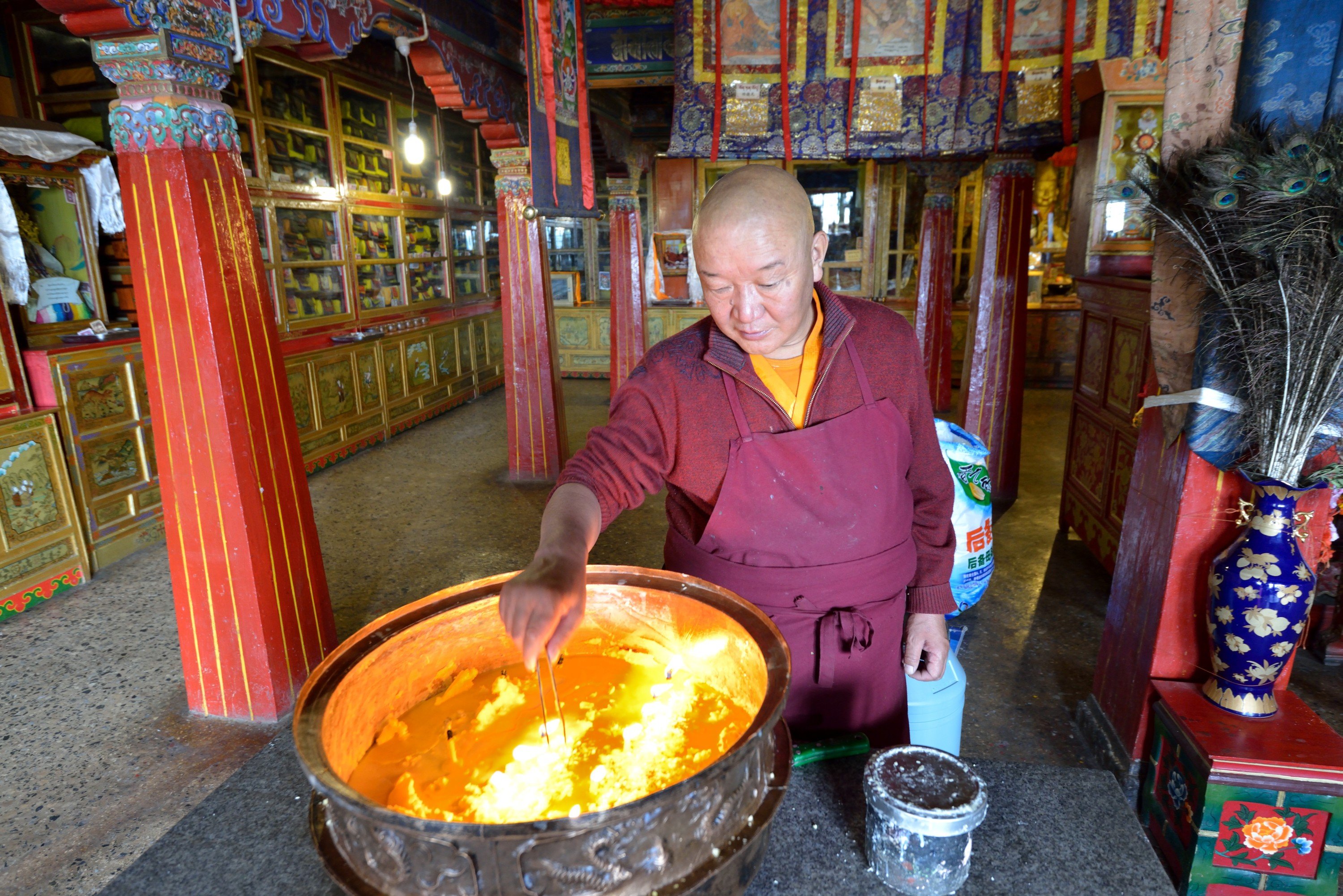
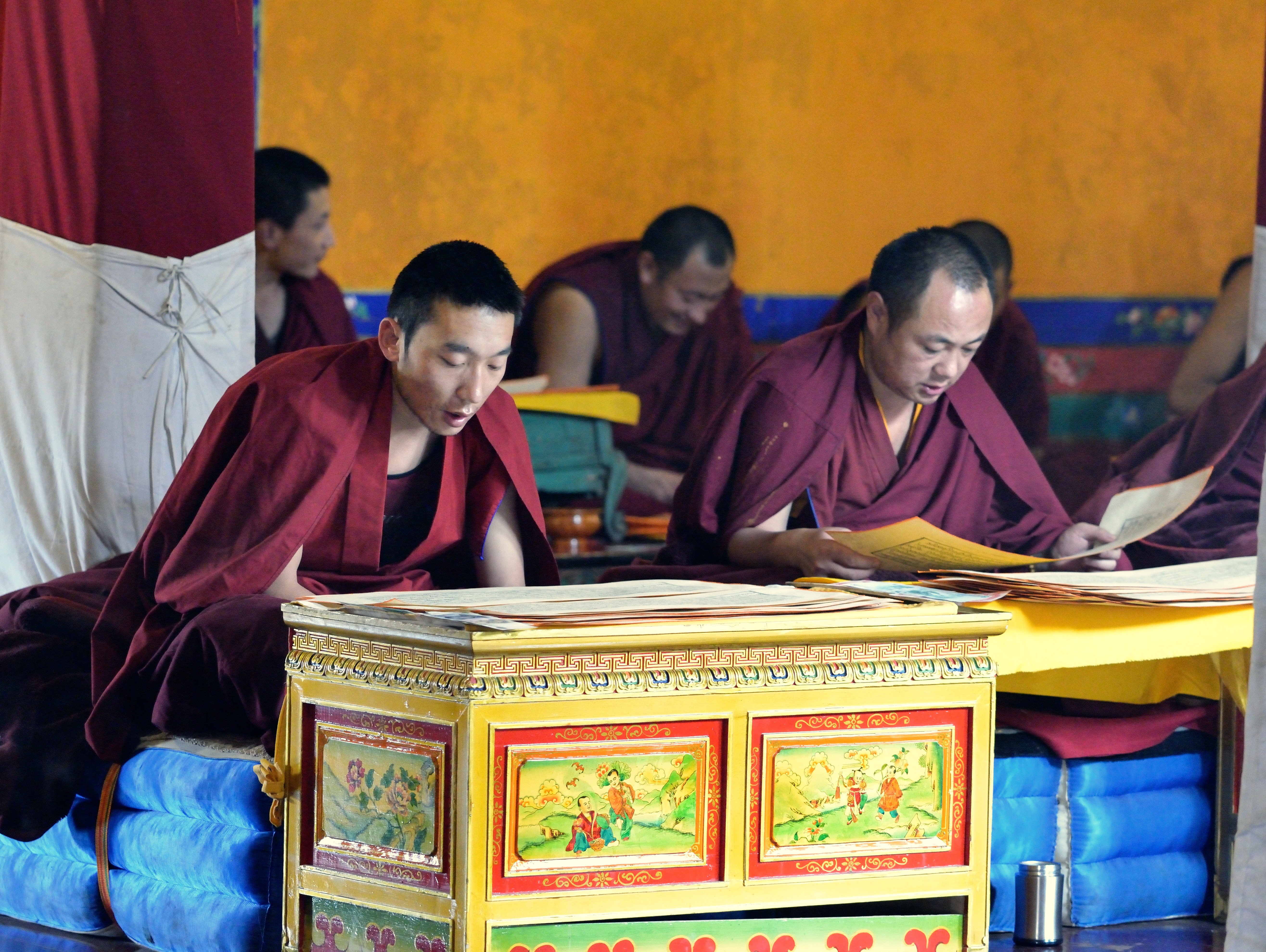
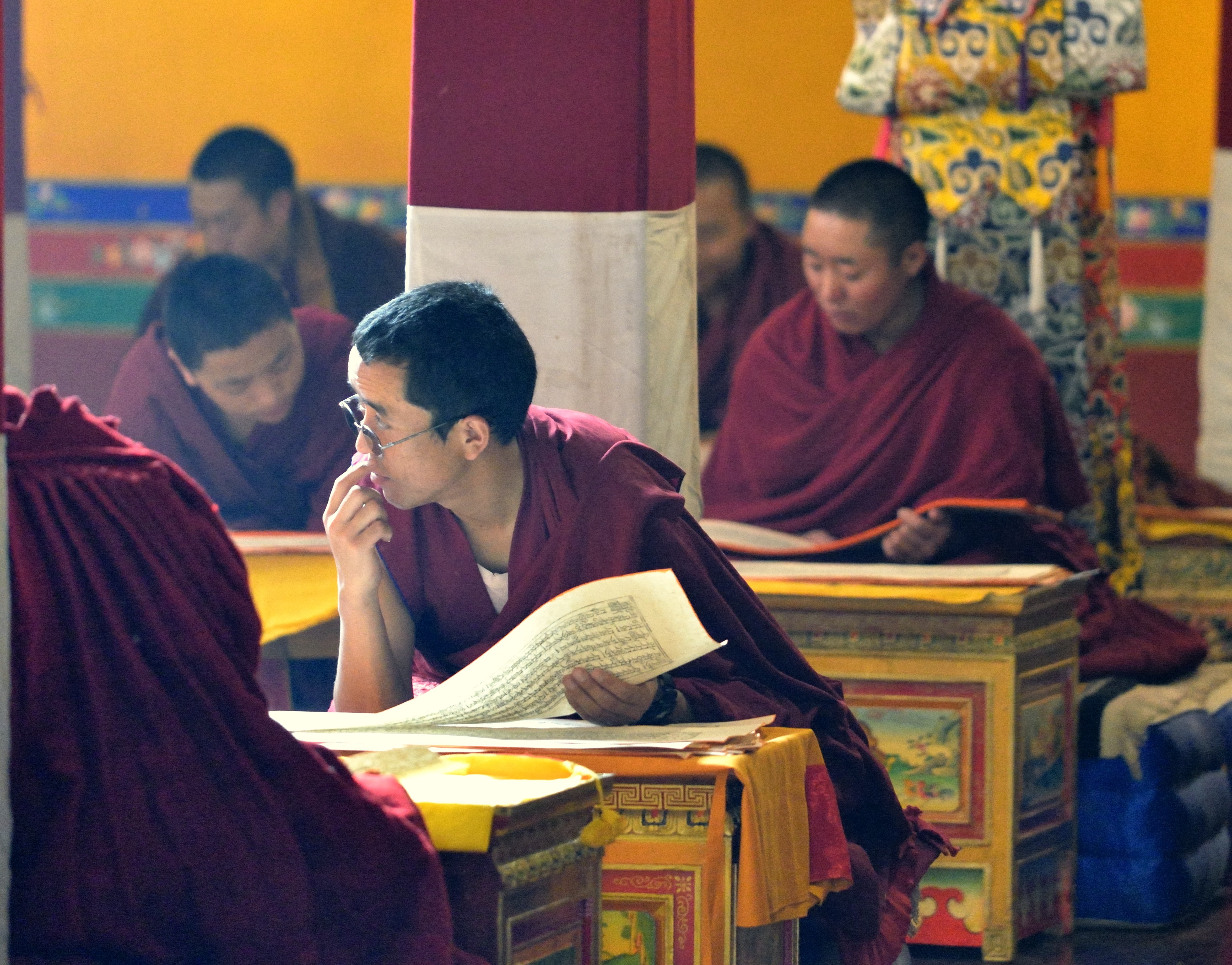
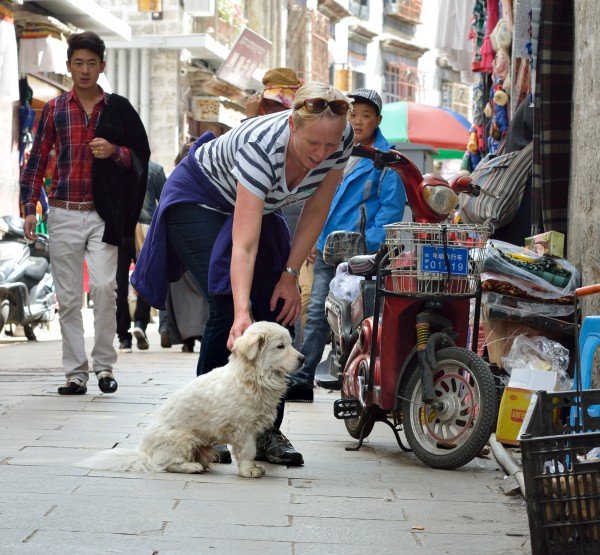
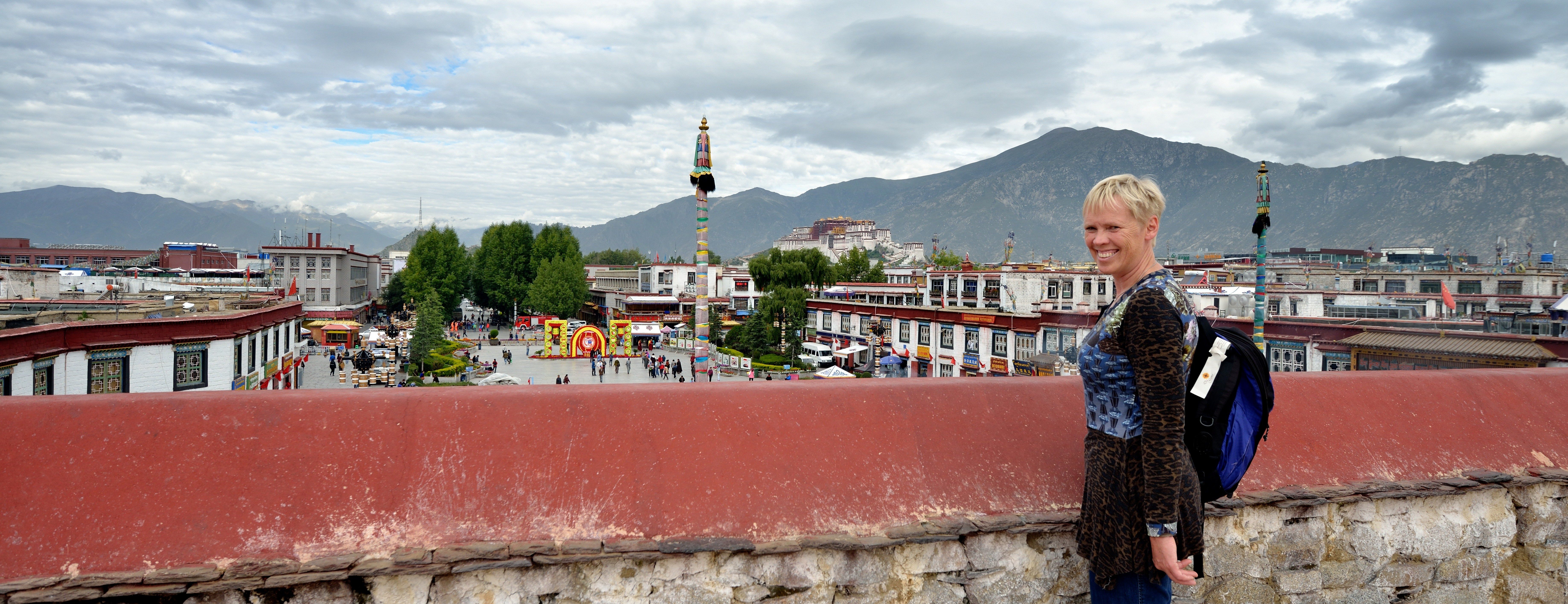
From the roof of the Jokhang Temple, you can see across to the magnificent Potala Palace.
Street Food and Daily Life
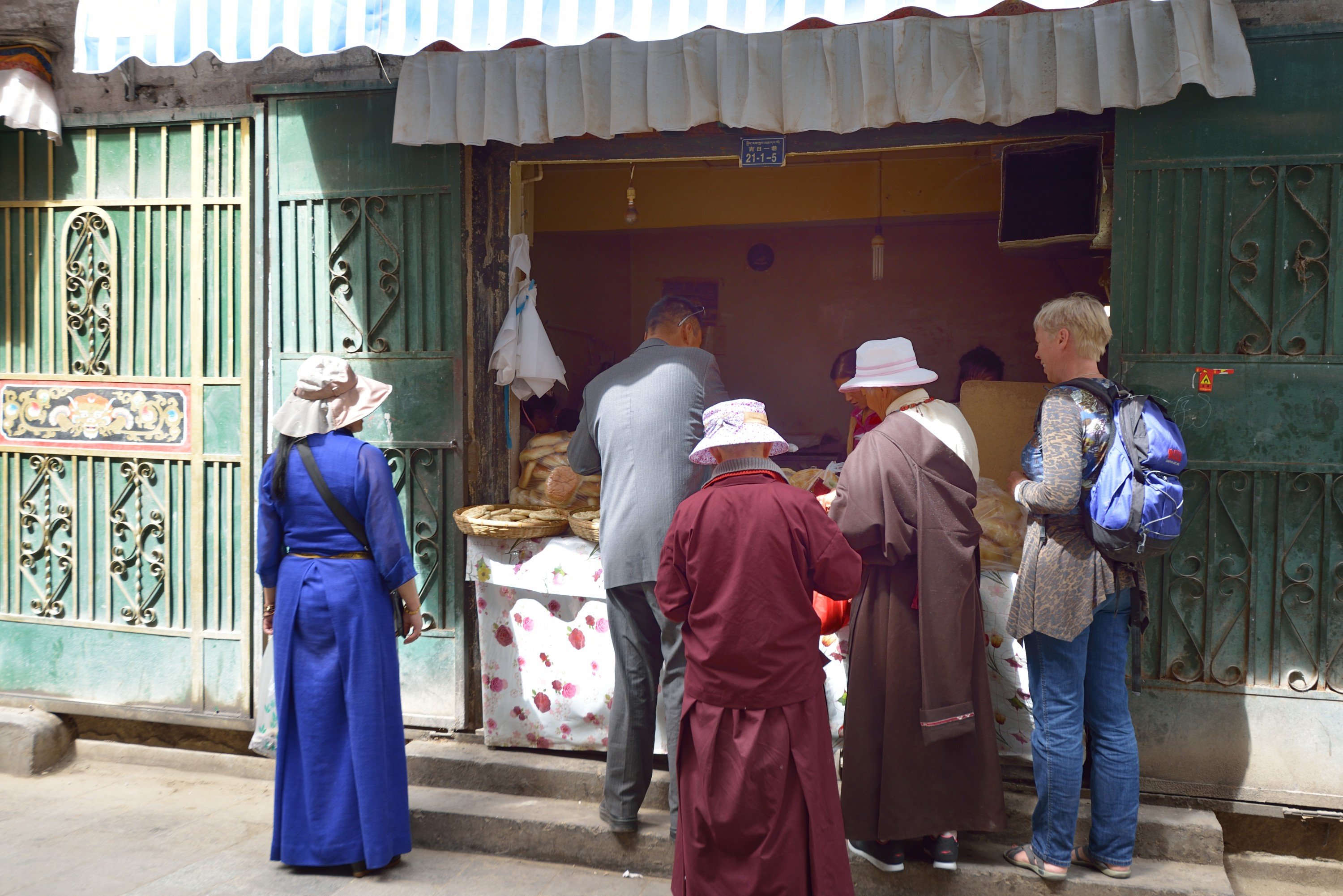
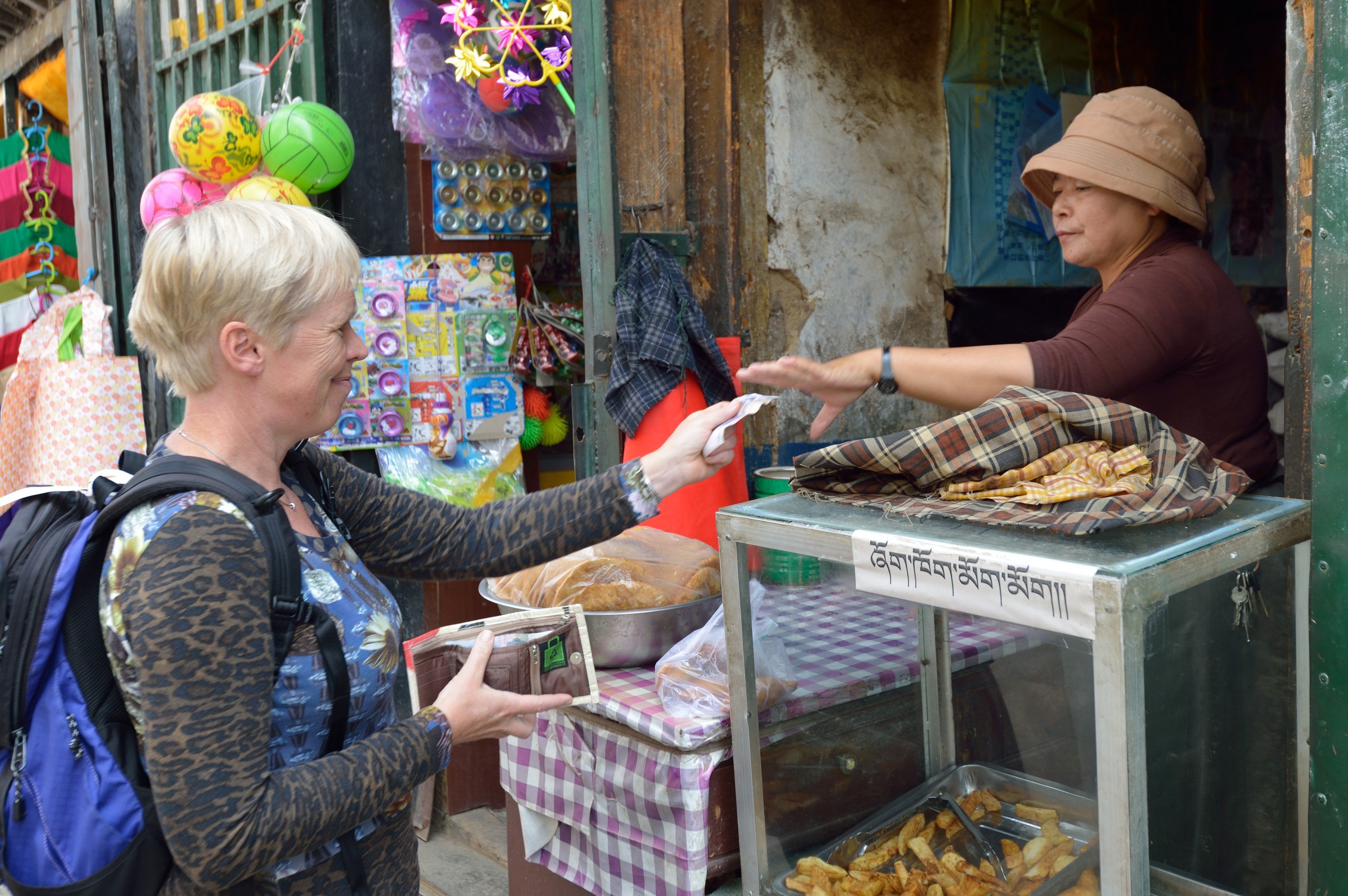
We ate in the park behind the Potala Palace alongside the locals. Communication was difficult, but we got delicious spiced food and drinks for less than €3 per person. We often bought food from street vendors — fresh bread baked right in front of us.
The Chinese Presence
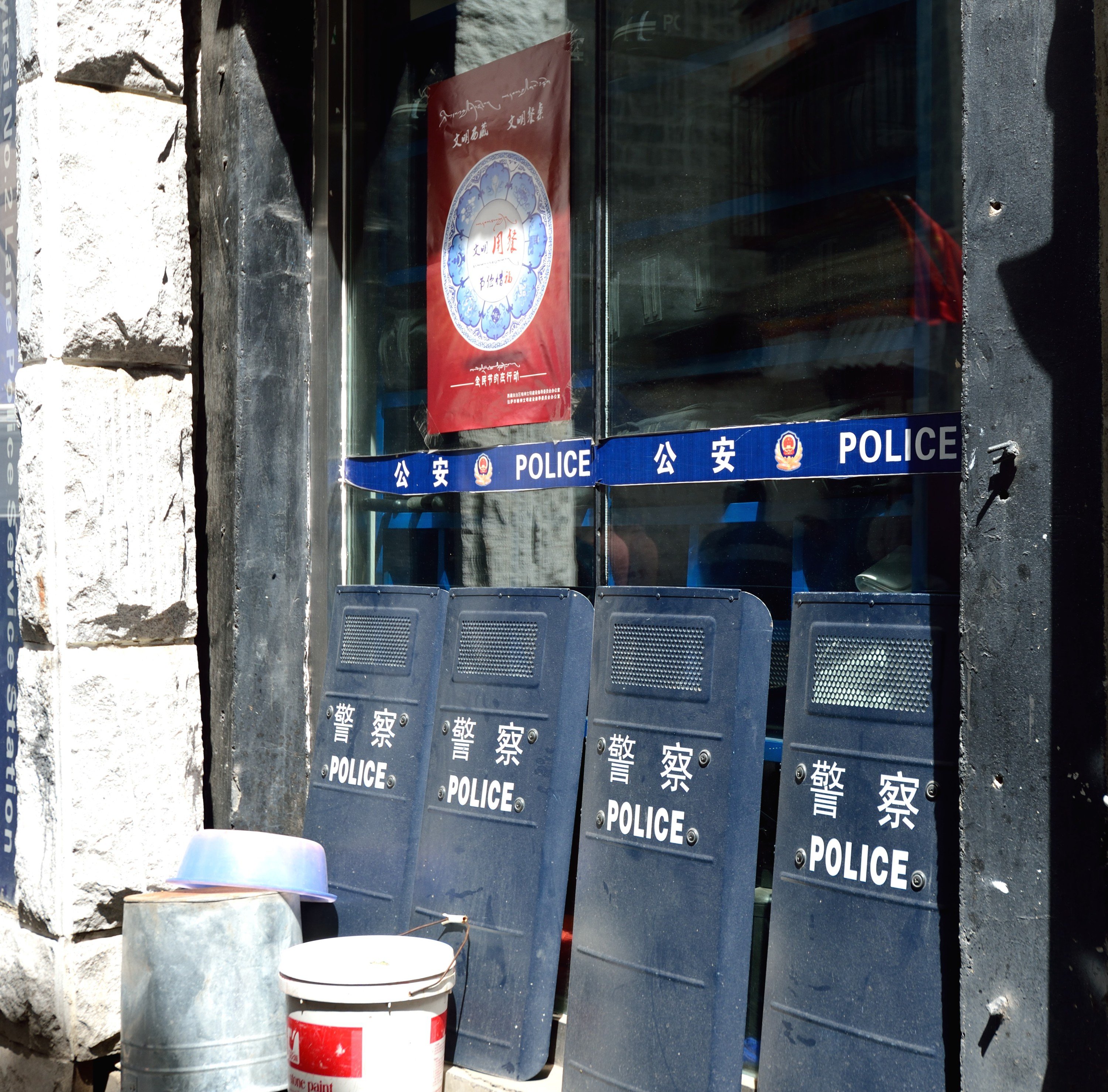
The Chinese presence is overwhelming — small police stations everywhere, mandatory bag scanning at multiple points across the city, plainclothes police on every corner, and IR sensors mounted on building walls to monitor movement. If you can live with this atmosphere, Lhasa and Tibet are absolutely fascinating places to visit.
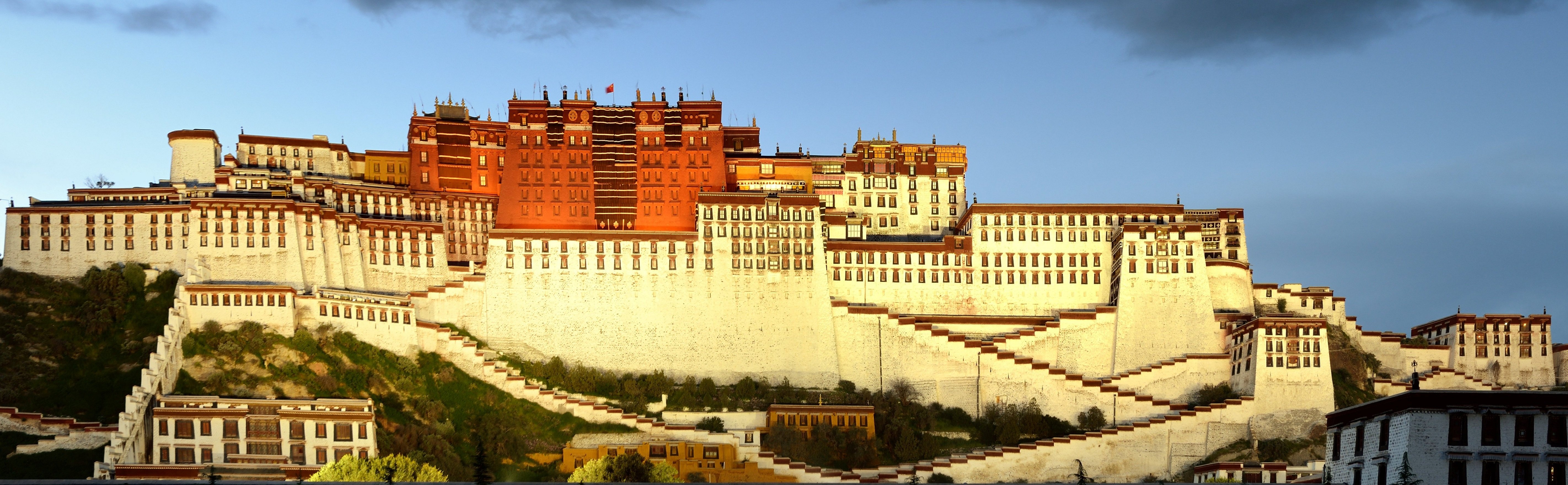
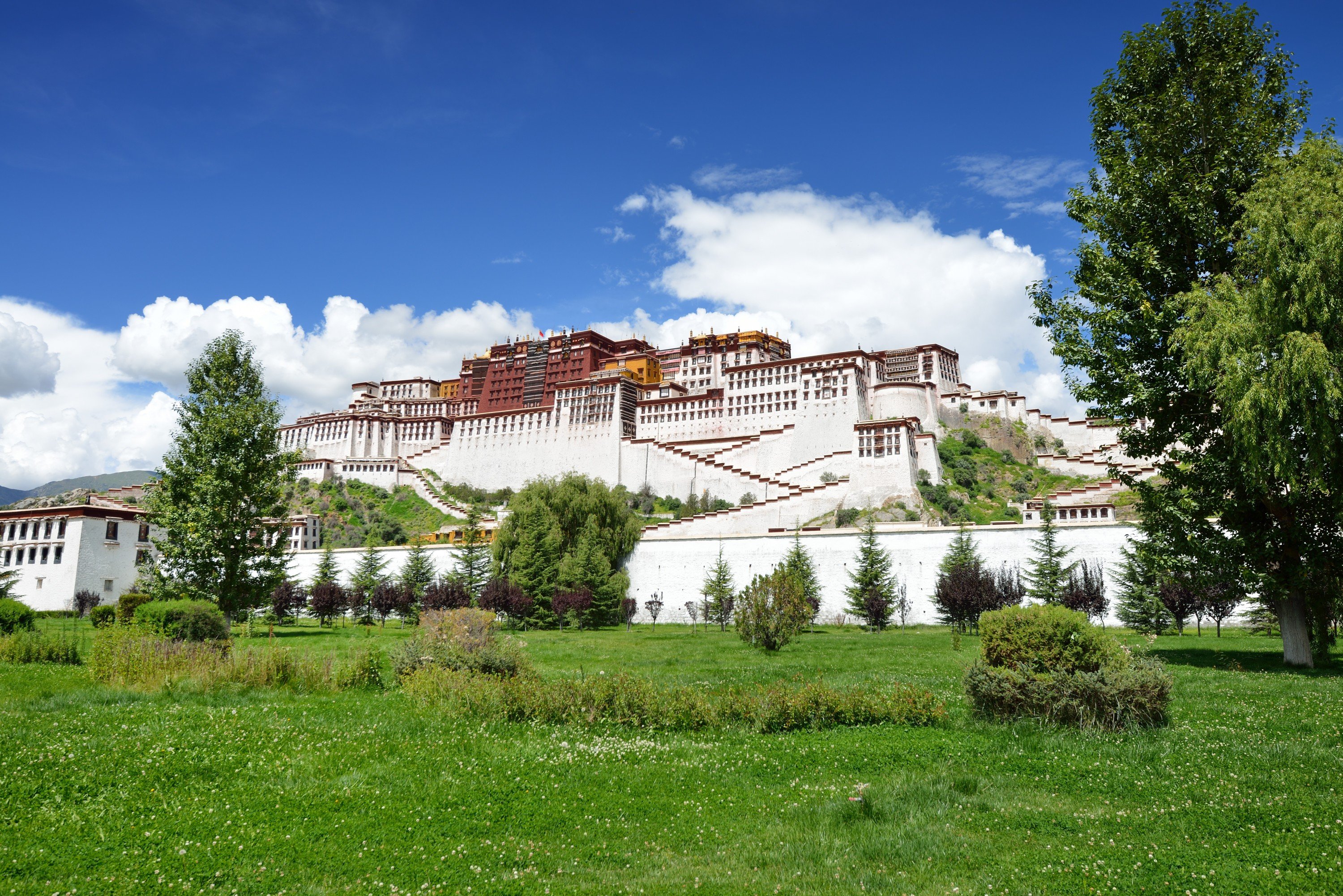
Potala Palace
Potala Palace is one of Tibet's great landmarks. The first palace dates back to the year 631. The current structure was begun in 1645 and consists of the White and Red Palaces. It remained in active use until the 14th Dalai Lama was forced into exile in 1959.
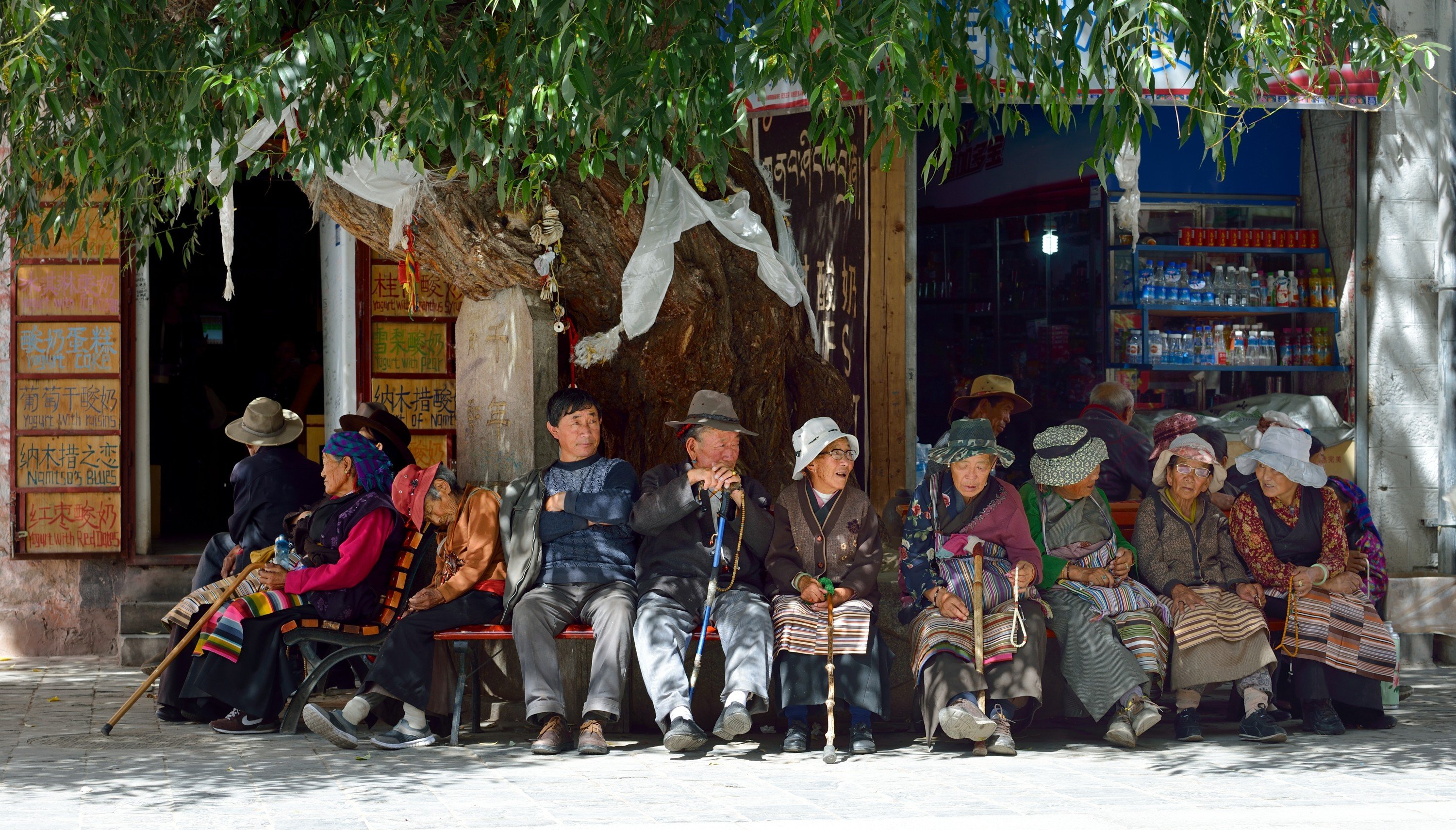
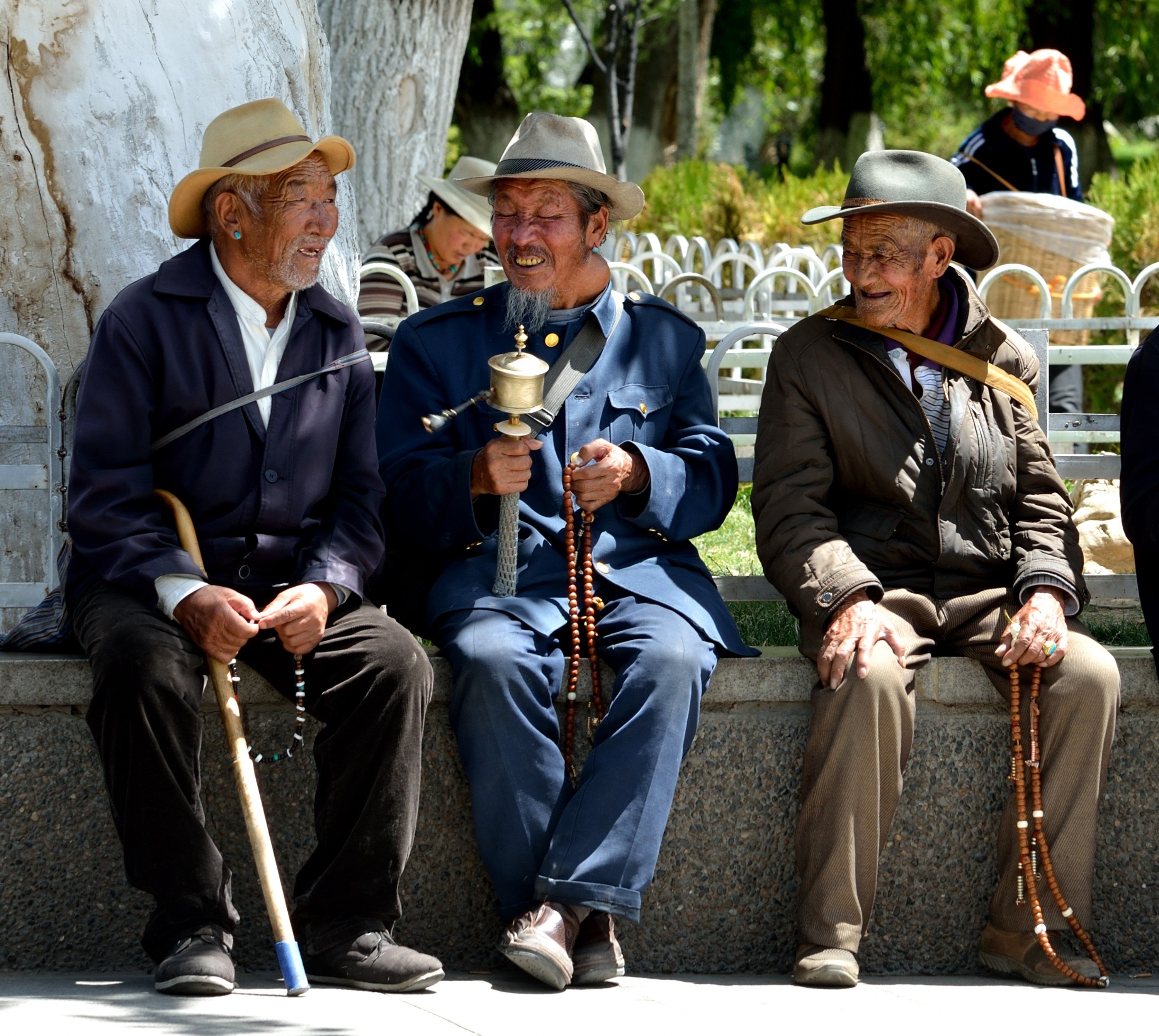
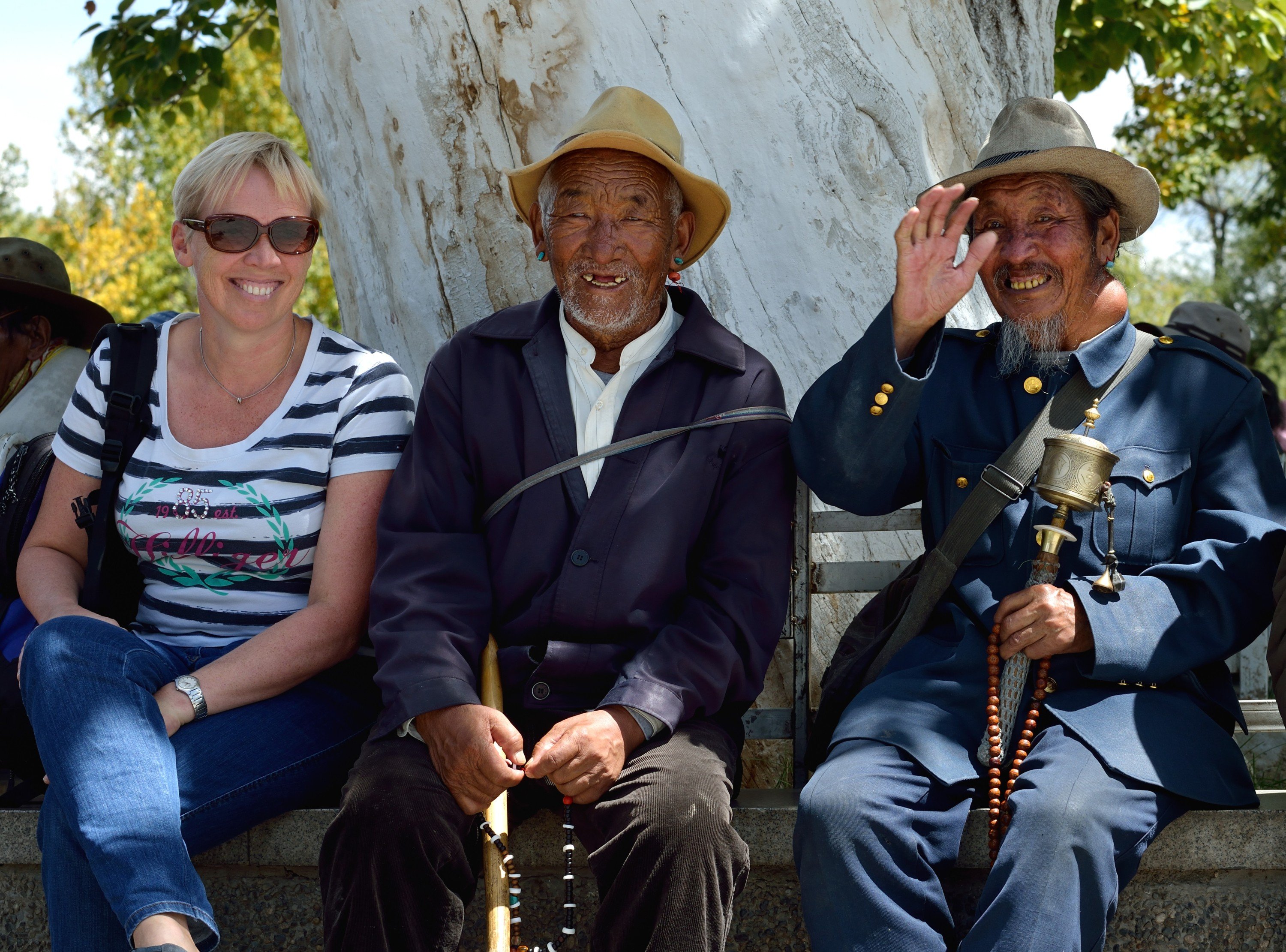
When Karin sat down beside the elderly Tibetan men in the park behind the Potala, they were happy to be photographed. The Zongjiao Lukang Park is a wonderful spot for relaxation and well worth a visit.
Norbulingka — the Dalai Lama's Residence
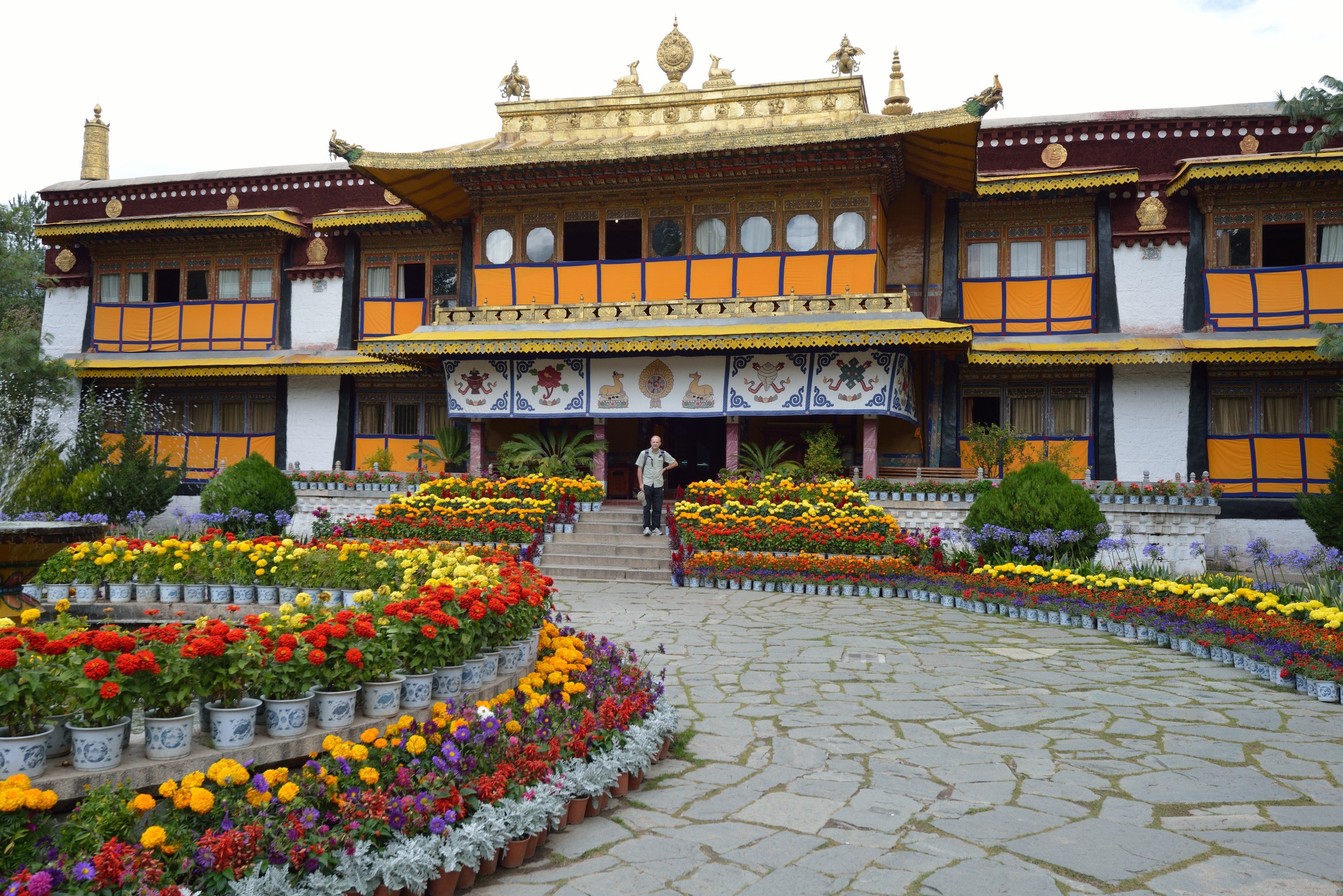
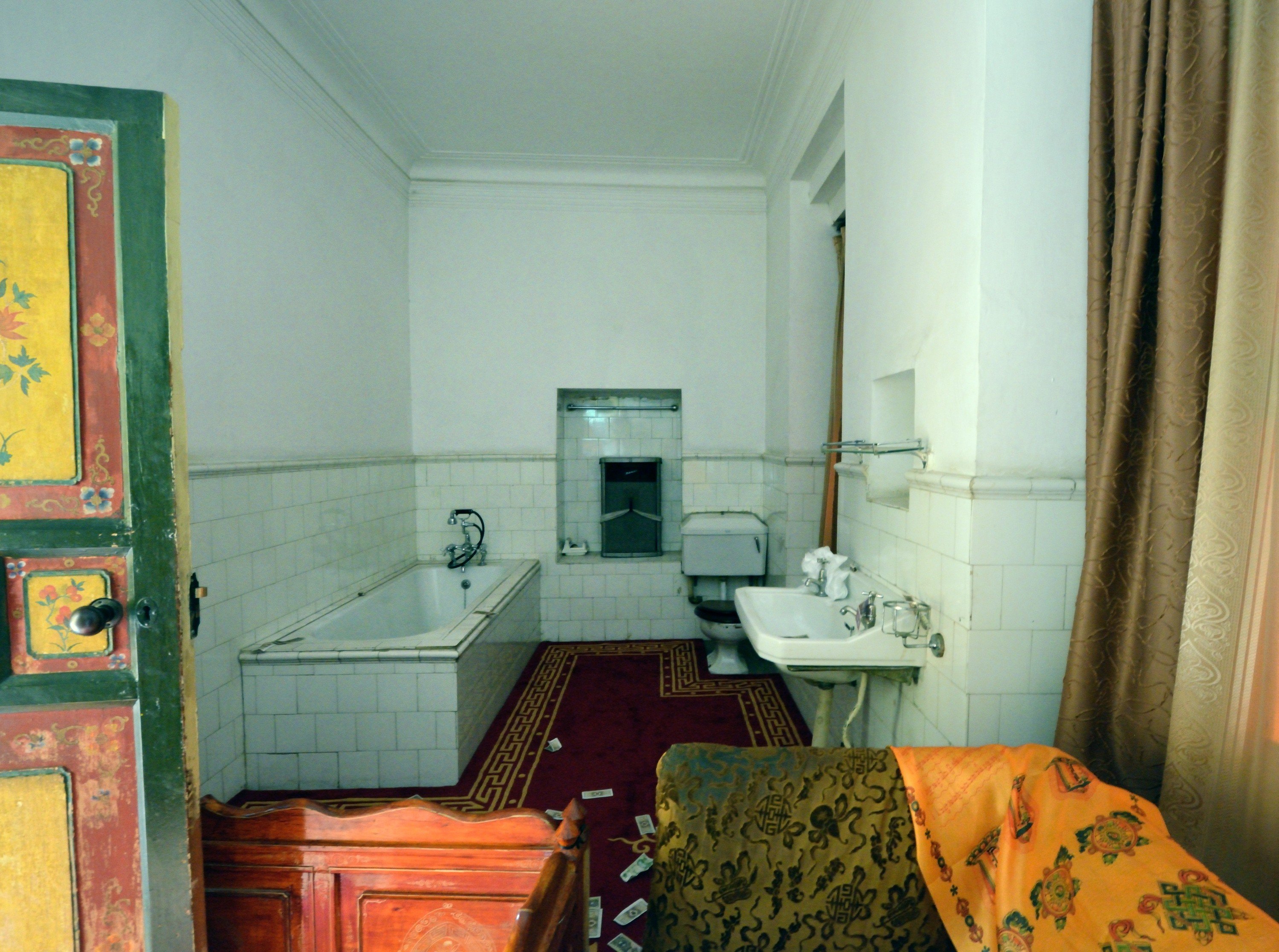
Norbulingka was the Dalai Lama's favourite residence until 1959. The only room not under video surveillance was the toilet — so here is a photo of the Dalai Lama's private toilet.
Sera Monastery — the Daily Debate
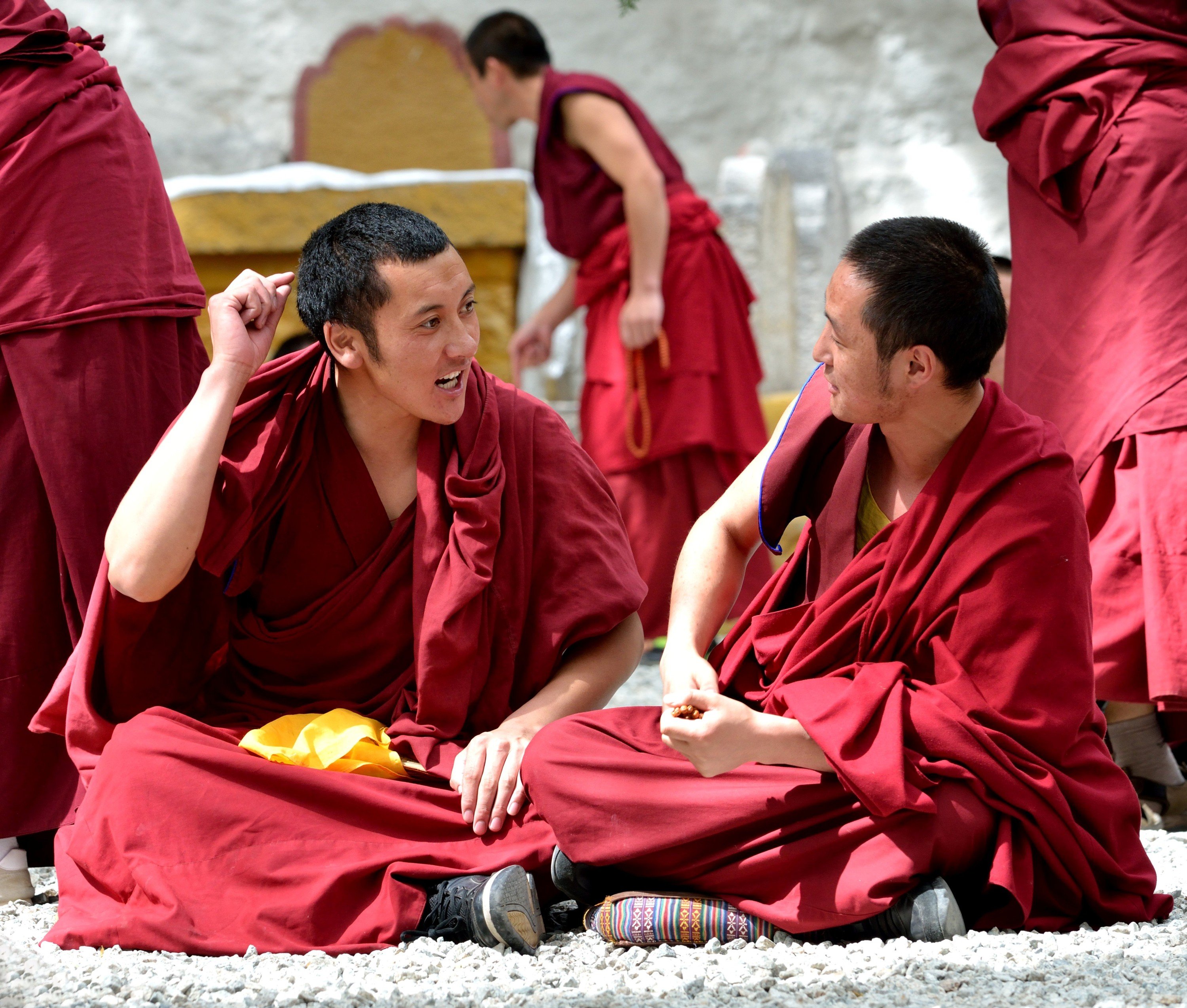
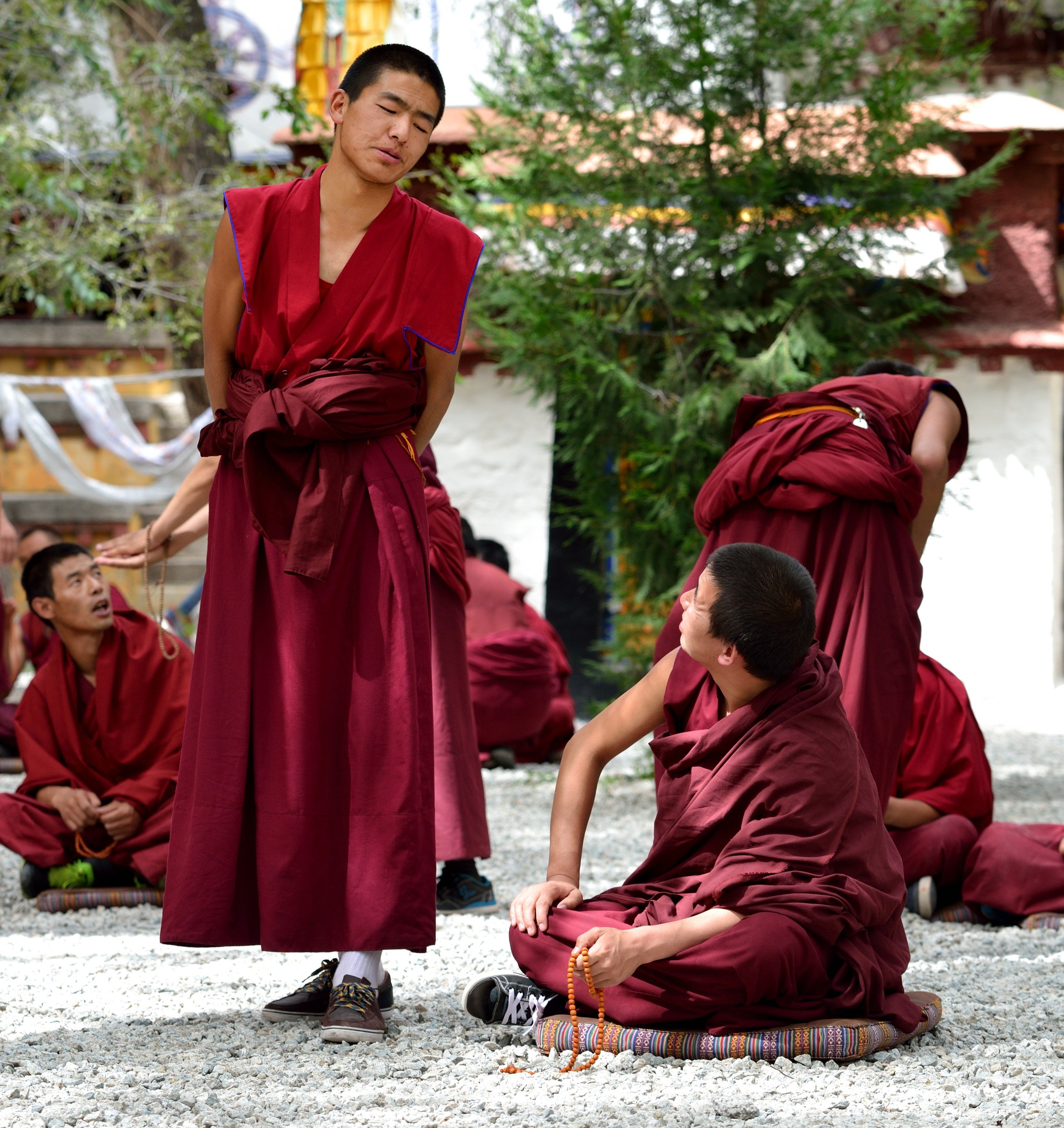
In the northern part of Lhasa lies the large temple complex of Sera Monastery, where monks hold daily "lessons" in debating and argumentation. This is not a performance for tourists — it has been happening for centuries. It's entertaining to watch: young monks who haven't mastered their lessons are clearly corrected, physically shrinking as the pressure increases.
Yamdrok Lake
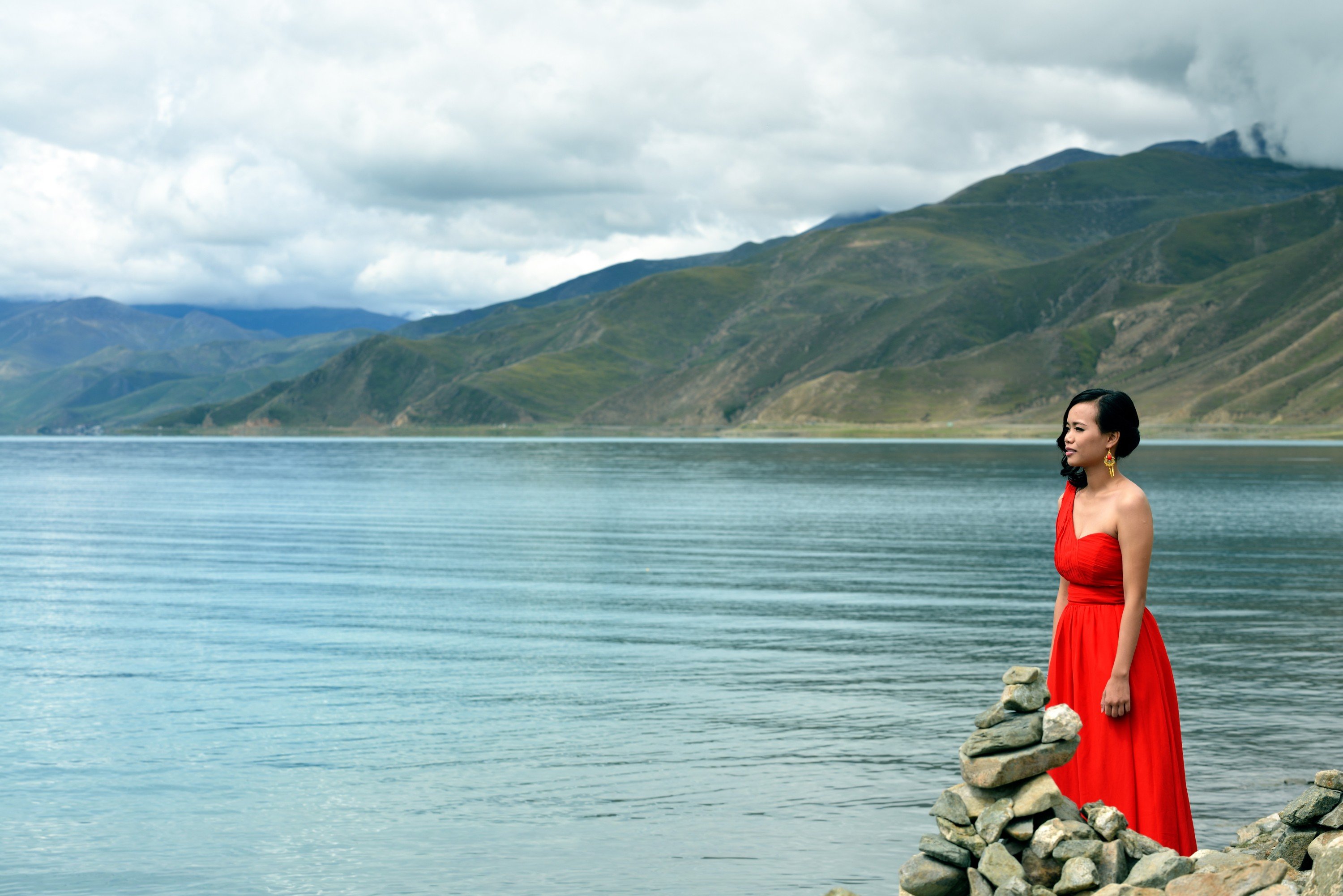
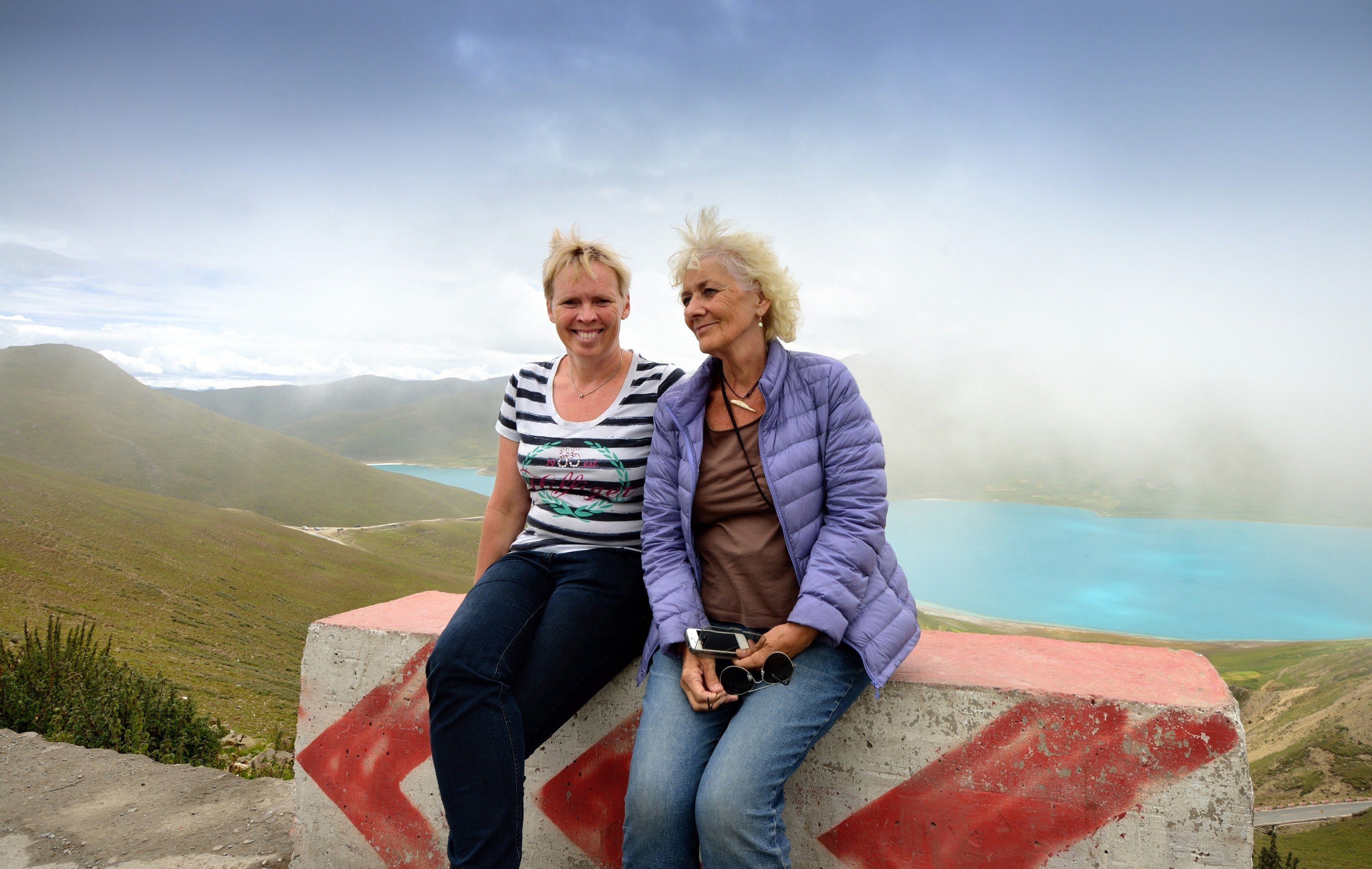
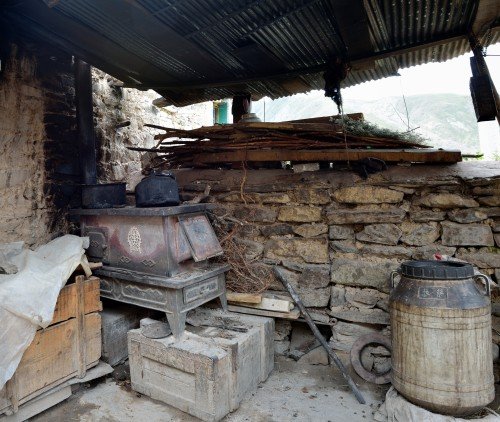
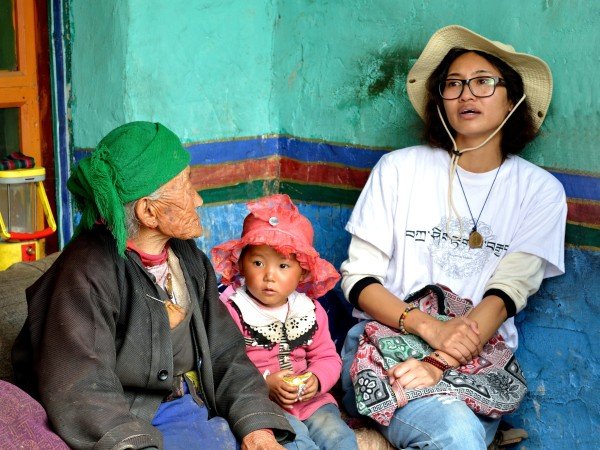
We made a day trip to Yamdrok Lake — a beautiful turquoise lake at around 4,450 metres altitude, 120 km south of Lhasa. We also visited a Tibetan family in the countryside, where life seemed to have stopped 80 years ago. The only modern objects on the walls were portraits of the Chinese leaders — mandatory by law, with severe consequences for non-compliance.
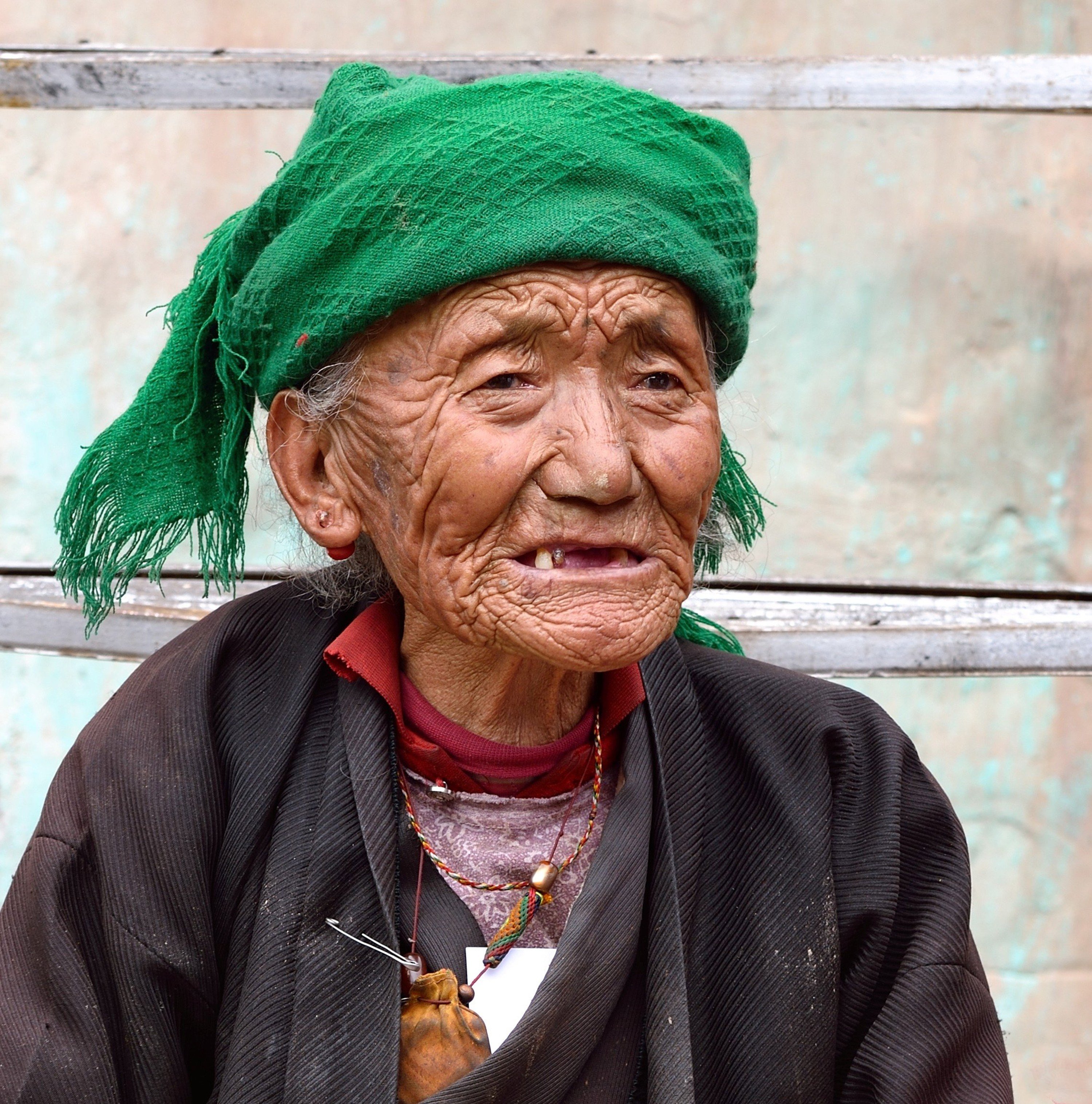
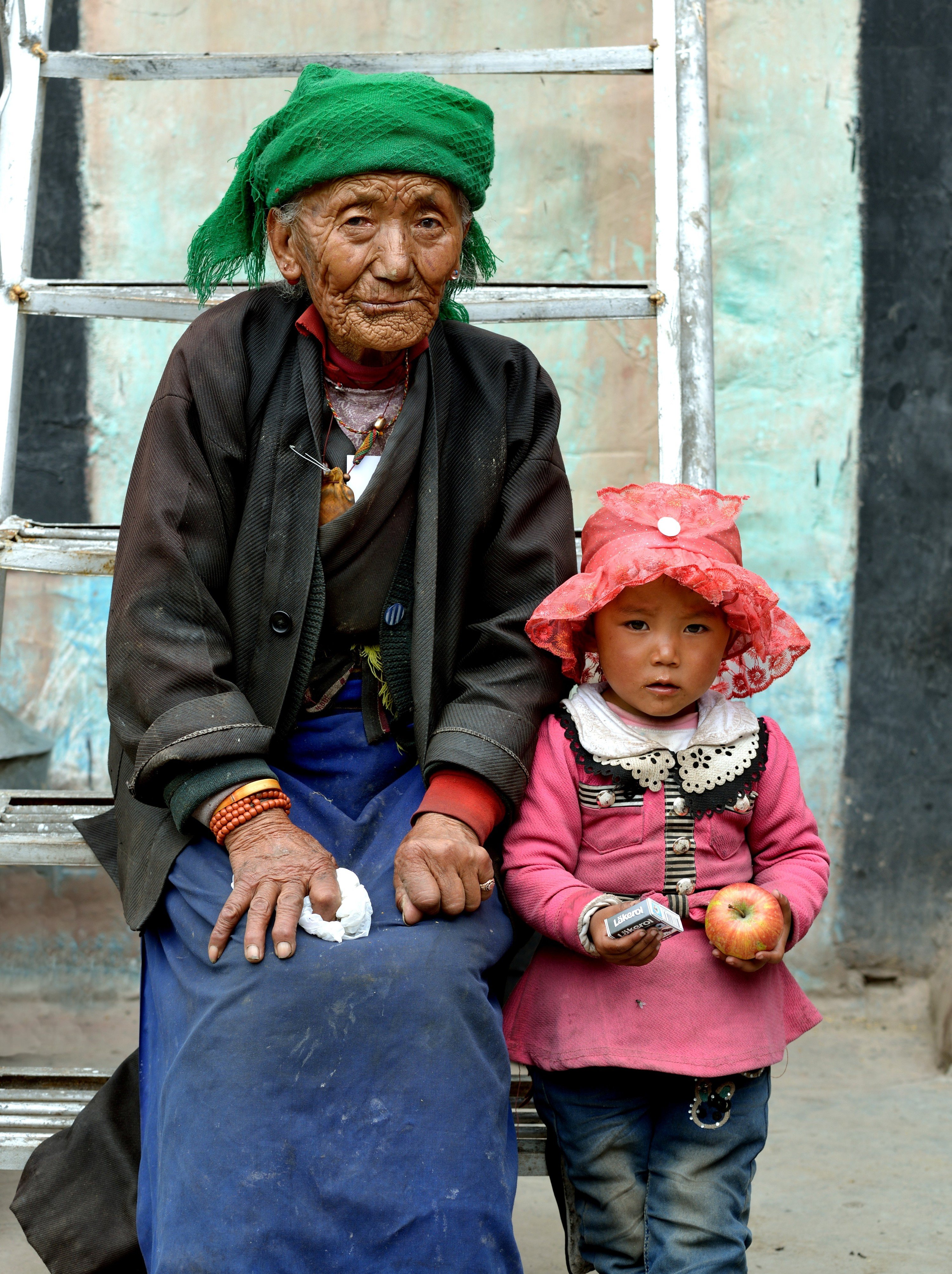
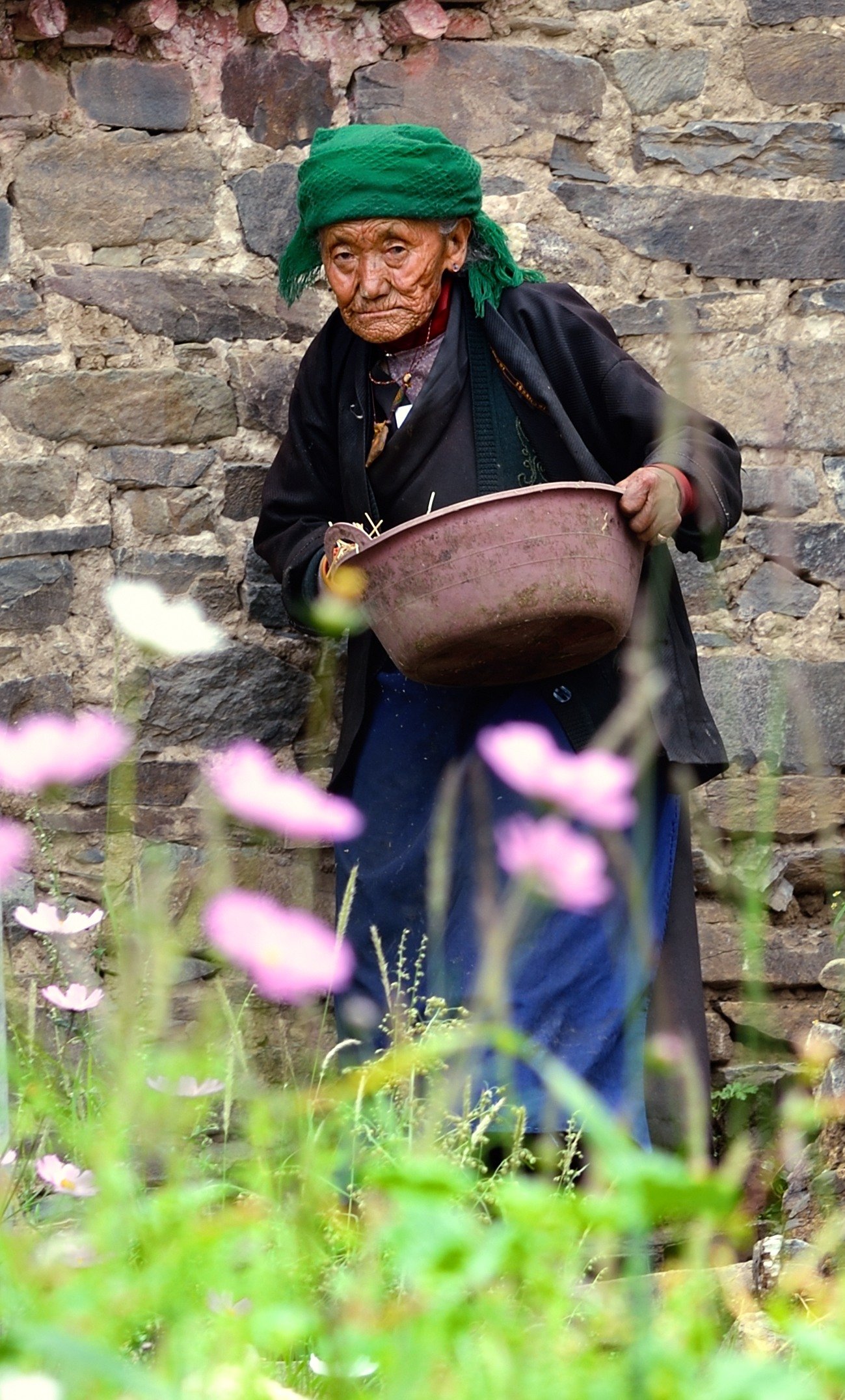
The great-grandmother, aged 80, is the head of the family. The moment our visit ended, she was back out in the fields working.