Tanzania — Safari, Kilimanjaro and Zanzibar
Summer 2015
Safari — Serengeti, Tarangire and Ngorongoro
Going on a safari is relatively cheap because you only need a car, a driver and a cook. A significant part of the price you will pay goes to admission fees for the various national parks. As an example, it costs 60 US$ / person / day to stay in the Serengeti, plus similar amounts for camping spots and so on. It is fairly expensive, but I think that is OK because it is one of the ways in which Tanzania ensures the existence of the parks — and that is what we all want.
Which parks you want to visit is entirely up to you, and it depends of course on what animals you want to see and what time of year you travel. The large wildebeest and antelope migrations take place in a fixed pattern, so you will need to familiarise yourself with where they are and when. The different national parks have websites where you can read a lot about the various migrations.
If you are not afraid of animals (it is good to have respect) then I would definitely recommend sleeping in a tent out in the national parks. It is a bit more primitive, perhaps also a little cheaper, but you get very close to nature and it is a great pleasure.
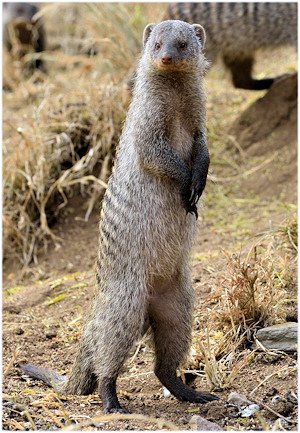
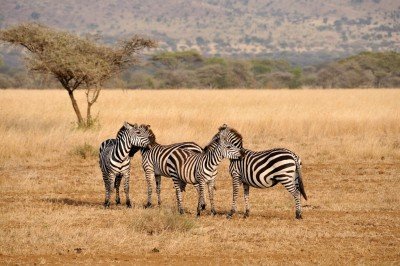
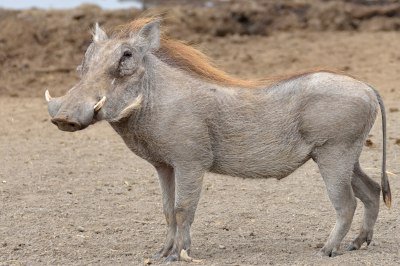
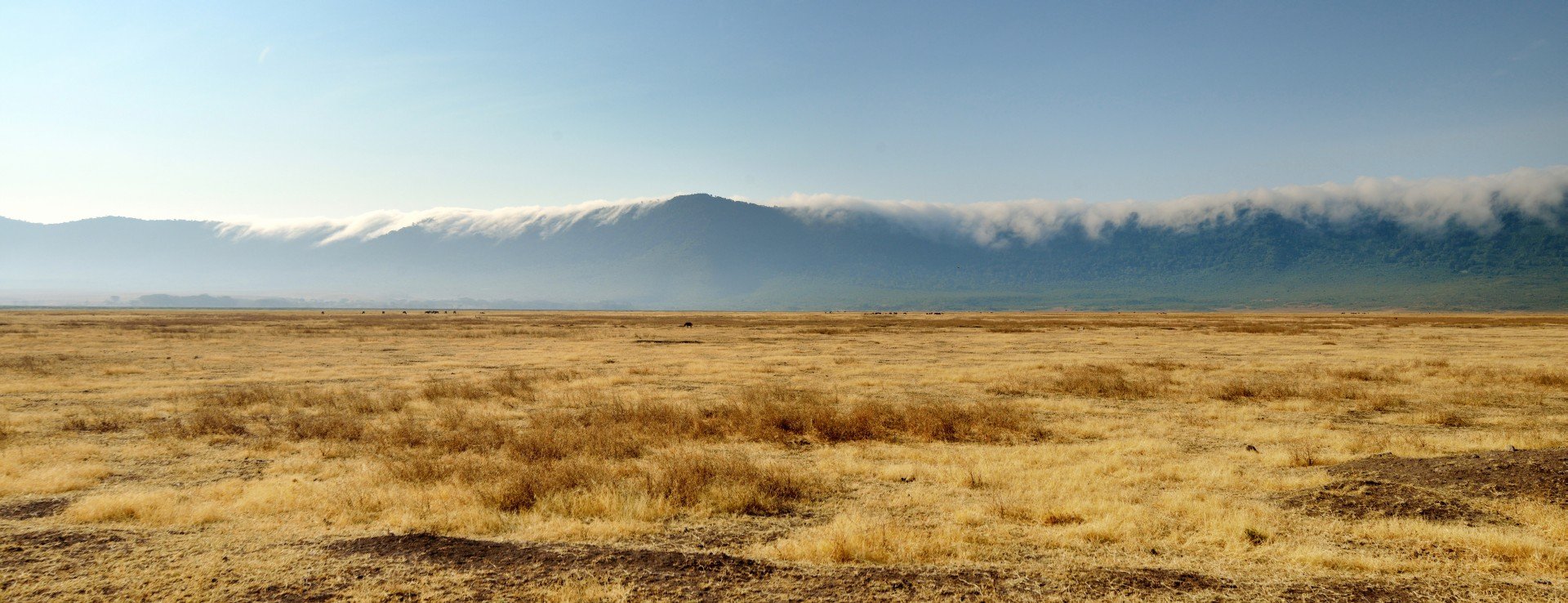
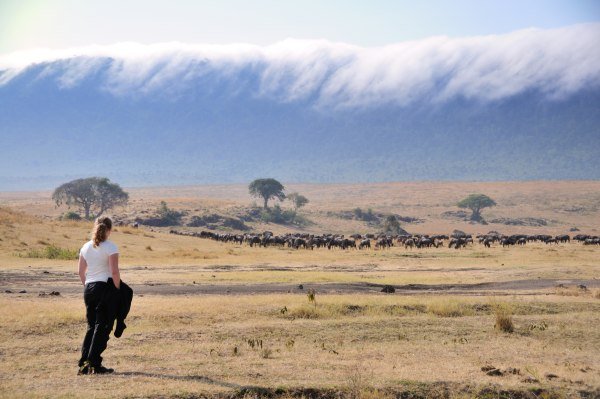
All the pictures are taken in Tanzania in a couple of different parks, and most contain GPS coordinates.
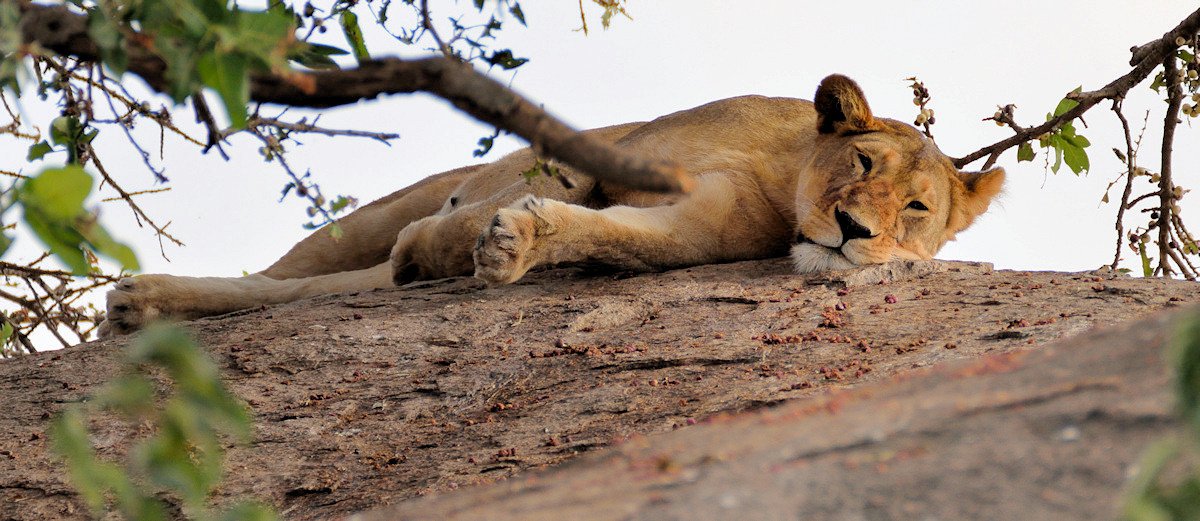
The images of the lions are typically taken at close range, down to less than 5 metres. The female lion who has killed a wildebeest is an exception — she was photographed from a few hundred metres with a 600mm tele. Most lions lie around and socialise with the herd most of the day, and are only actively hunting towards evening. We saw a single lioness make an unsuccessful hunt for a flock of gazelles — the entire hunt took less than a couple of minutes.
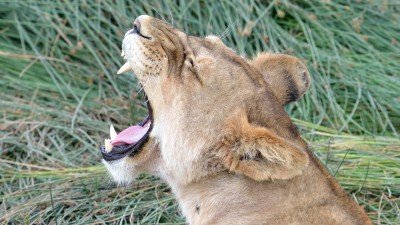
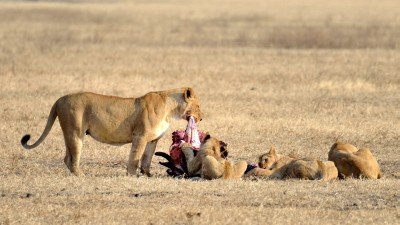
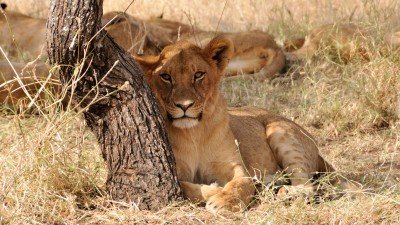
Photo equipment
For the animals I used either 70–200mm or 150–600mm and a good monopod. If the animals are so far away that it is necessary to use 600mm, you cannot expect super quality because heat waves interfere, causing it to shimmer in the same way as you can see over a hot asphalt road in summer. For night photos it is important to bring a stable tripod.
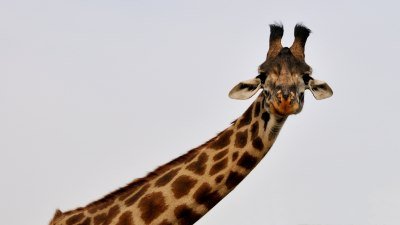
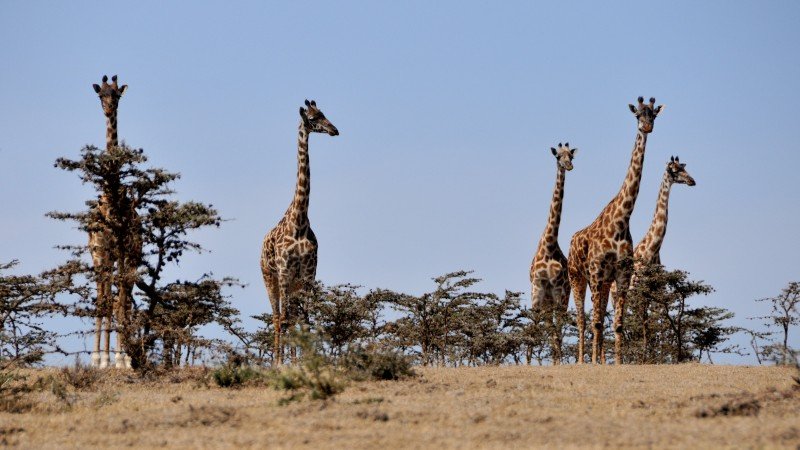
Light conditions are fine in Tanzania during the summer months — although it is a bit cloudy, you can easily shoot at f/8, ISO 100 to 400, at 1/125 to 1/750 s. Bring a polarising filter and a graduated neutral density filter. The giraffes were photographed by Luna with a D300 and a 18–200mm zoom.
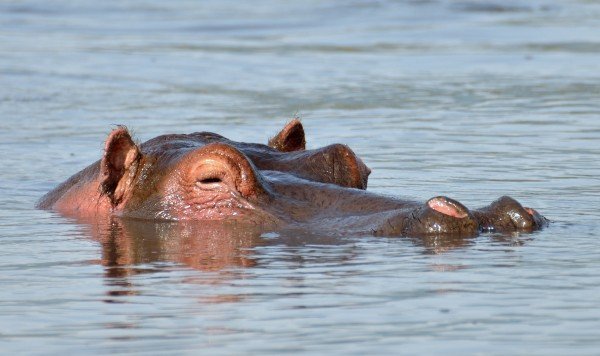
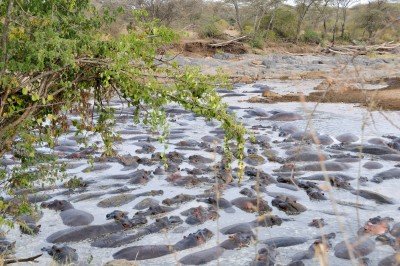
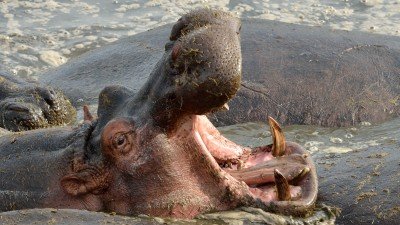
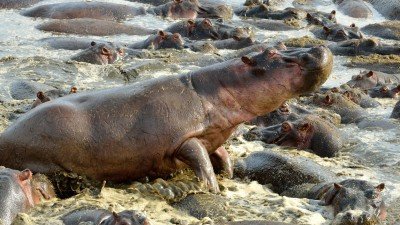
The hippo deserves a few extra words: they lie in large groups (hippo pools) on top of each other and deposit large amounts of faeces in the water. The water is completely green and the tail swishes around to spread it as much as possible. The hippos are inactive most of the day, and only when it starts to get dark do they leave the pool for feeding.
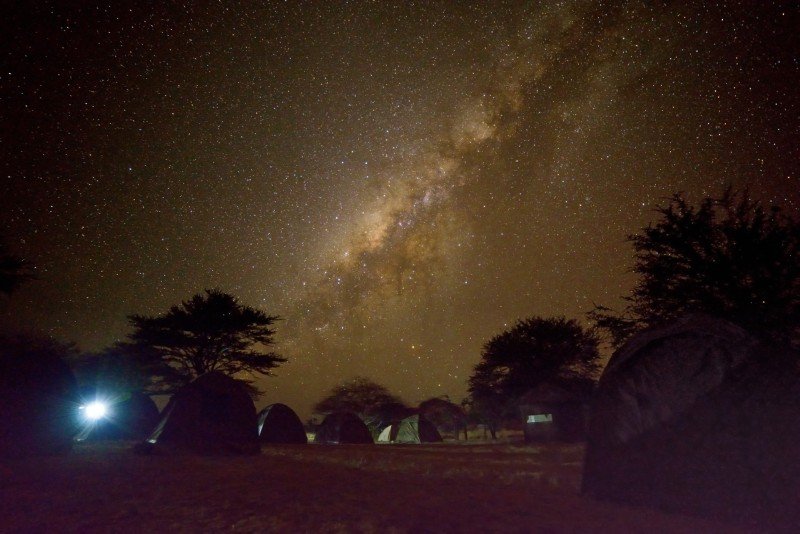
If you like to make night photos, then you have a unique opportunity in Tanzania — both on the mountain and on safari. The Serengeti Plain is one of the darkest places on earth, and when the moon is down it offers a unique view of the Milky Way. Tanzania is located close to the equator, so the sun goes down around 6:30 PM and rises again around 06:30 AM — giving you plenty of time for night shots. The Milky Way picture was taken in the middle of the Serengeti Plain after the moon had set. It was a wonderful view to fall asleep in a tent looking up at the Milky Way. (Nikon D800 14mm, f/2.8, 20 sec.)
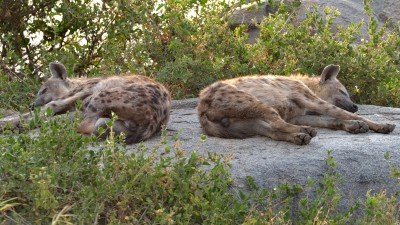
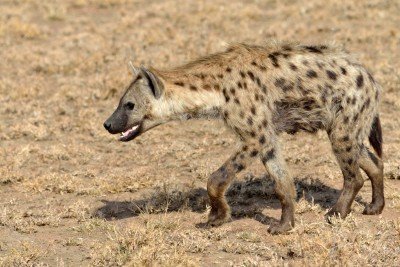
Hyenas came to visit at night to see if we had forgotten leftovers. All the food was of course stored inside the car. Their distinctive laughing-whine could be heard from afar, and was very present when they came close to the tents.
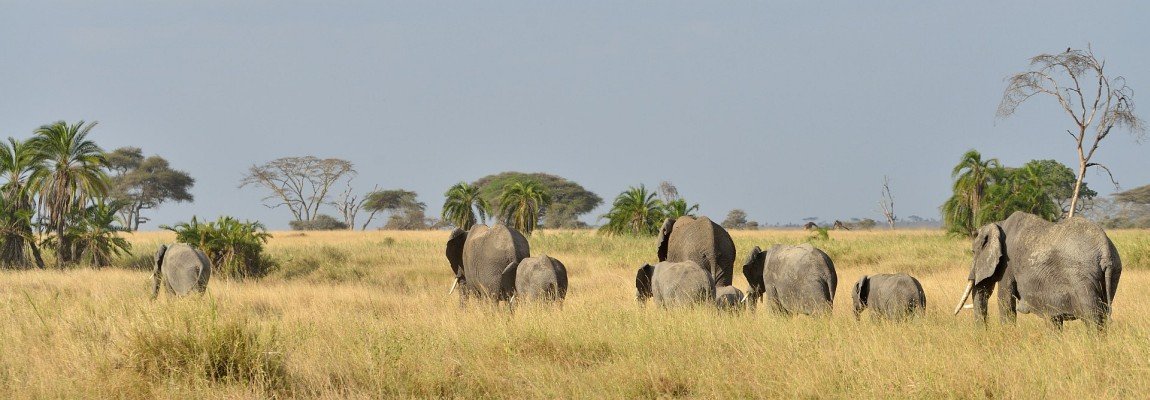
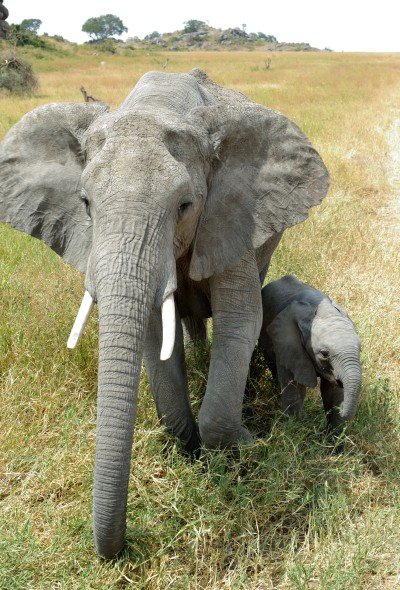
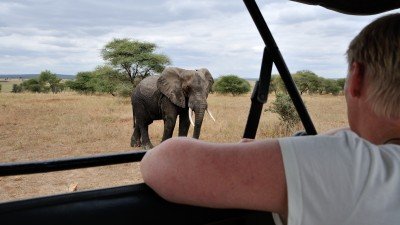
The elephants are, like all the other animals, fascinating. The large animals walk quietly and eat shrubs, branches and leaves. The young ones exert themselves to get a grip on the trunk. An elephant mother and calf walked very close — past the car where we could easily have stretched an arm out and touched them. (We did not, of course.) The biggest problem was sometimes that they were so close that you had to change the lens to get the whole elephant in the picture.
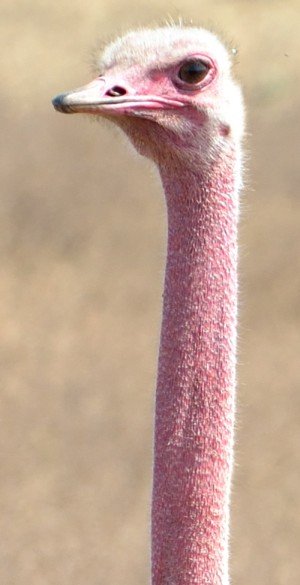
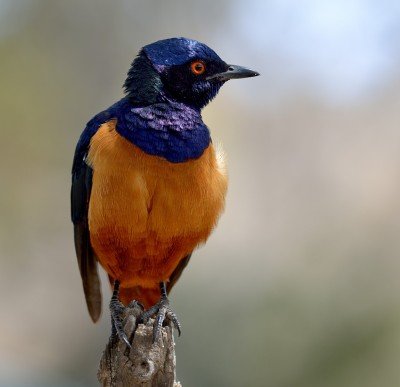
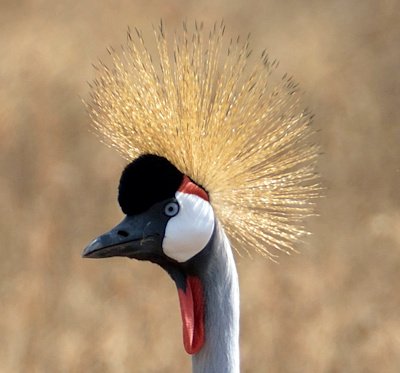
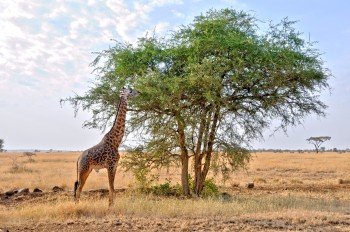
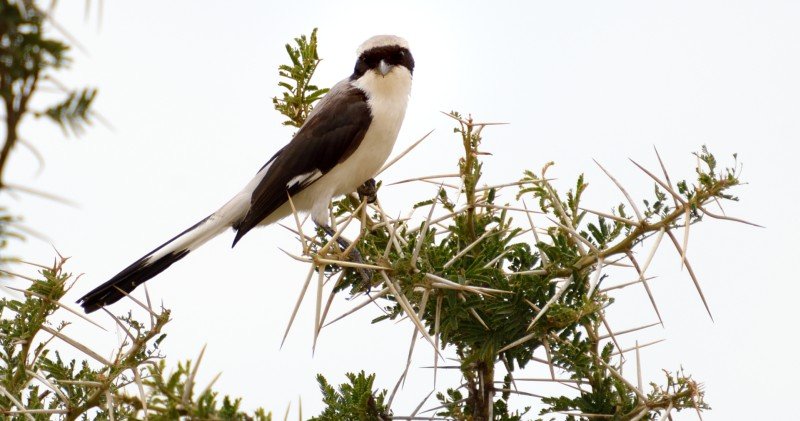
A few pictures of some of the many birds — the orange and blue kingfisher often sat and waited when we ate lunch. All plants try to defend themselves: these trees are filled with 5 to 10 cm long sharp thorns. The only two animals that eat them are elephants and giraffes, but if they can find other food nearby they clearly prefer trees without thorns. The giraffe in the picture is eating exactly these plants.
Kilimanjaro — Machame Route
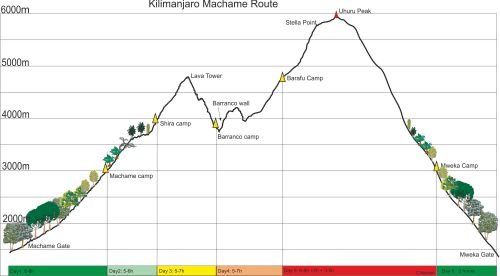
Anyone who wants to try the challenge — do it, it is a wonderful experience. The climb is absolutely not only for the elite; if you are just in reasonable shape, you can definitely try. Here are some practical tips I researched before setting off. We chose the Machame route over 6 days — the route is very varied and can absolutely be recommended.
Clothing
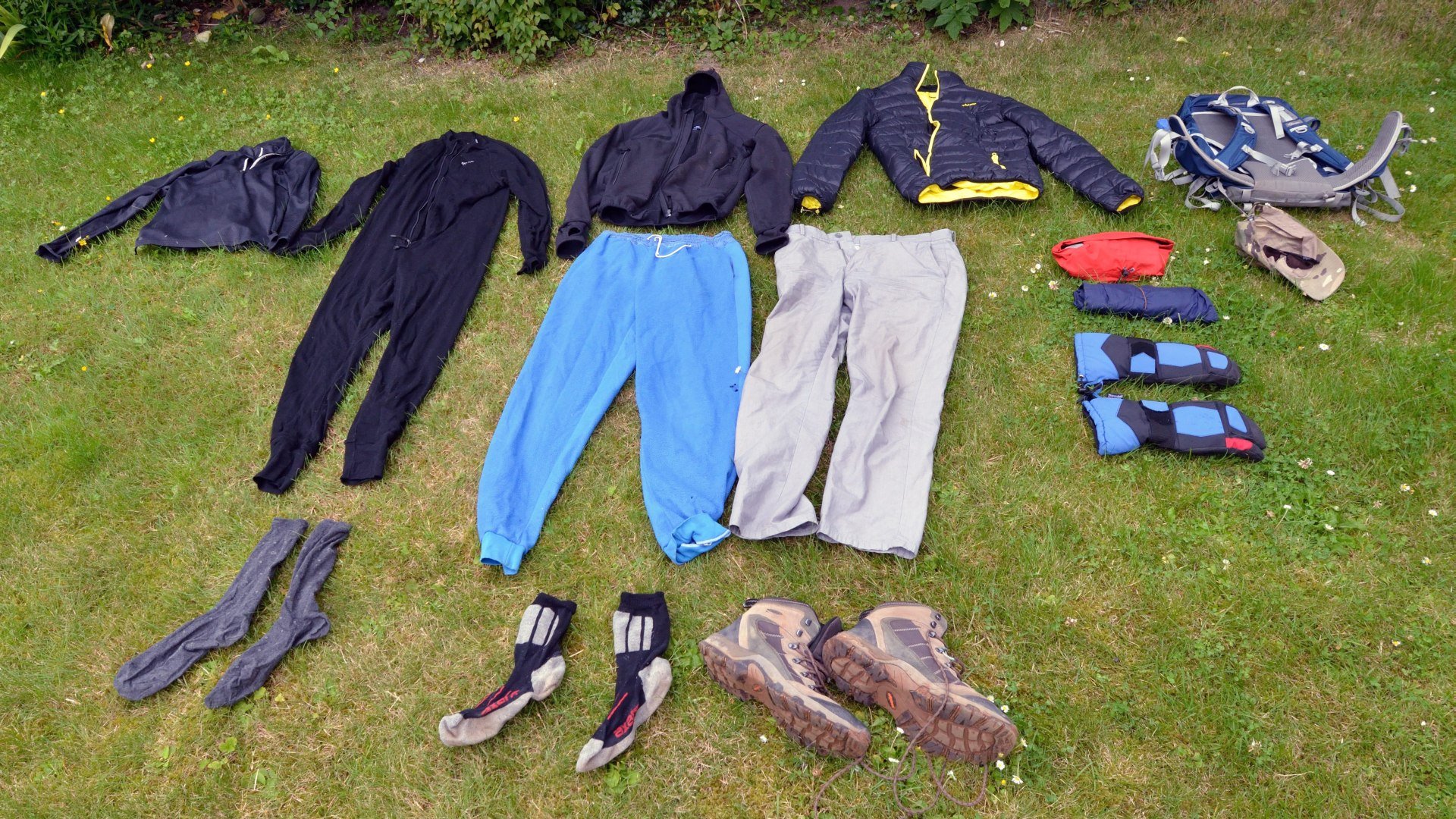
Hiking boots and socks: always use two pairs of socks — a thin pair against the foot and a hiking sock on the outside. It is very important that you have walked some long hikes, preferably over 20 km, with the socks and boots you intend to use on the trip. Bring at least two sets of socks and preferably three, of which one set must be thick Arctic socks for the last night towards the summit. When choosing your clothing, it must be easy to adjust the insulation so that it suits both sunshine at 20°C and, a little later, hail and snow — weather changes can happen within minutes. Instead of using a thick winter jacket, use layers, so you carry less weight and it is easier to adapt to the weather.
The rucksack must sit well on the body, 25 to 40 litres, and if it can accommodate a camelback that is an advantage, because water carried in side pockets freezes solid on the way to the summit.
Food
Your team takes care of all main meals — you just need to bring some bars for eating during the day. It is impressive how much energy you can burn per day. Up to 4,000–4,500 m you can eat ordinary snacks like Mars bars or Snickers. Above 4,500 m they start to freeze solid. For the last couple of days towards the summit, bring energy gels, which are usually a mixture of different sugars and are absorbed very quickly. Find a flavour you think you can eat even when your body is telling you that you are not hungry.
Bring water purification tablets — your team fetches water for you, but the locals drink directly from streams and your stomach may not tolerate it. All the food has to come out again, so bring a roll of toilet paper in a plastic bag.
Chances of reaching the summit
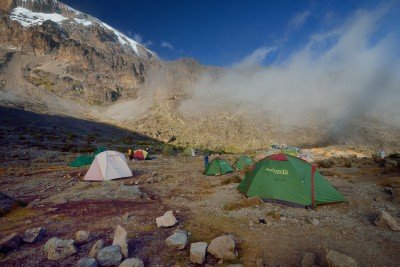
Statistics show that approximately 50% reach the summit on 5 days, 60% on 6 days and 70% on 7 days. Look at yourself — are you at a normal weight, do you exercise? You should have a good idea of your chances. If you want to combine the trip with a safari, start with the safari and then Kilimanjaro, because on safari you are at 1,000–2,000 m altitude, which gives your body a small advantage in acclimatising. Most pictures contain GPS coordinates.
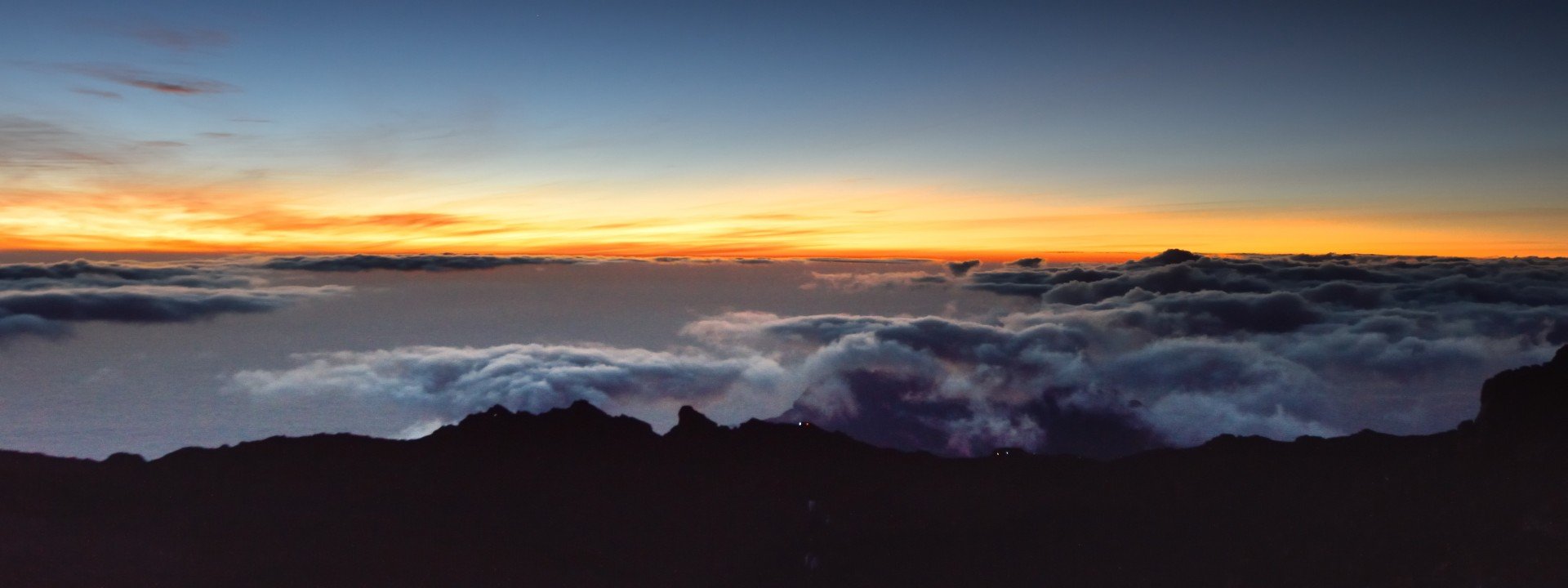
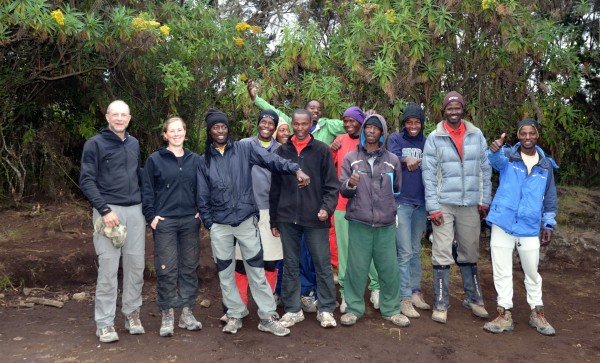
The top panorama image was taken on the summit of Kilimanjaro just before sunrise on 1 August 2015. The small glowing dots below the clouds are headlamps of climbers on their way up — even though it is bitterly cold it is a wonderful sight. The group photo shows the entire team: two guides, a cook and seven porters. It is not something you can negotiate — think of it as a way to ensure that as many people as possible have a week's work.
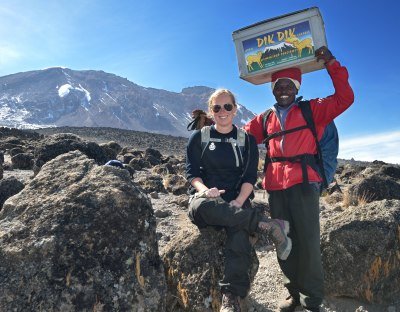
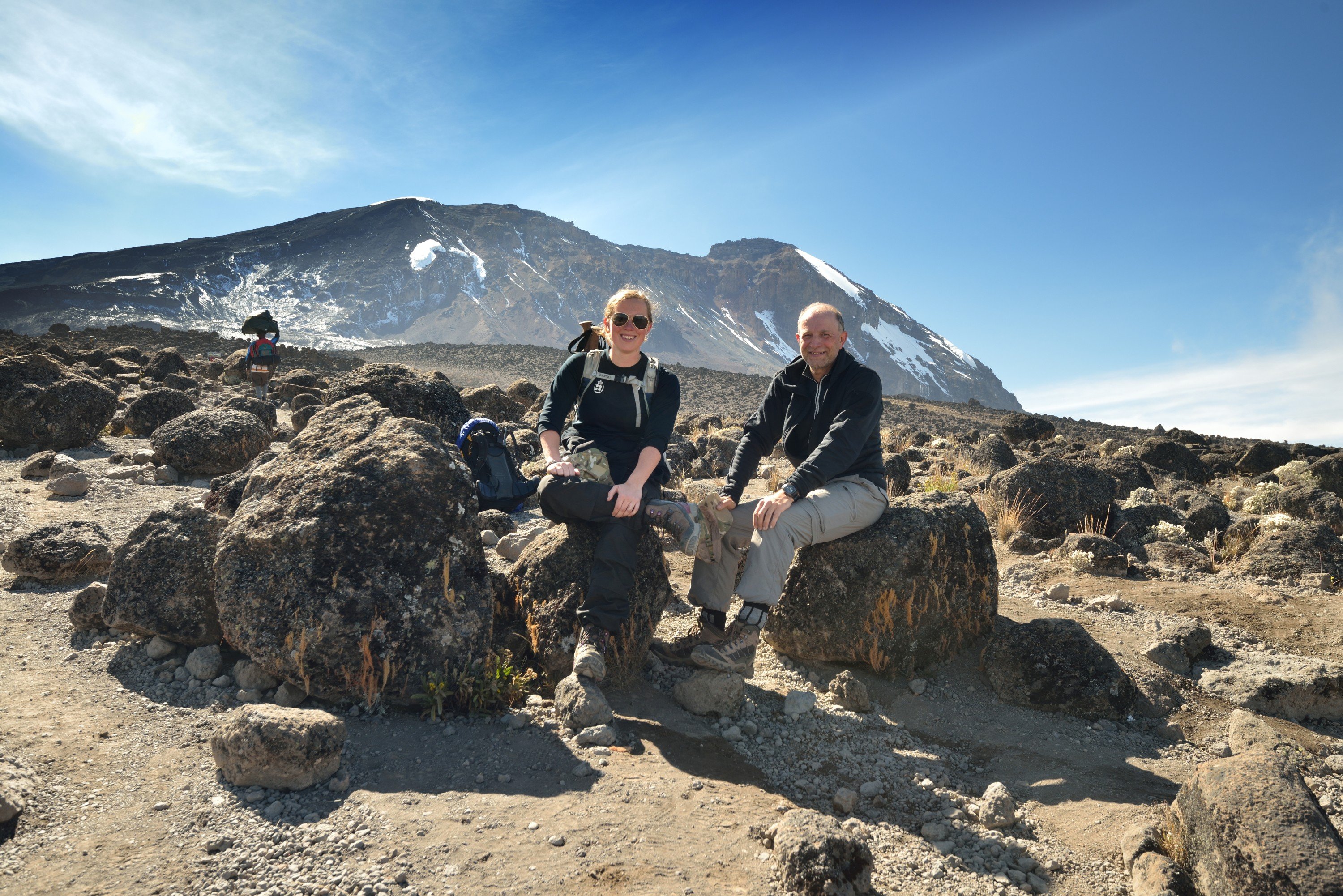
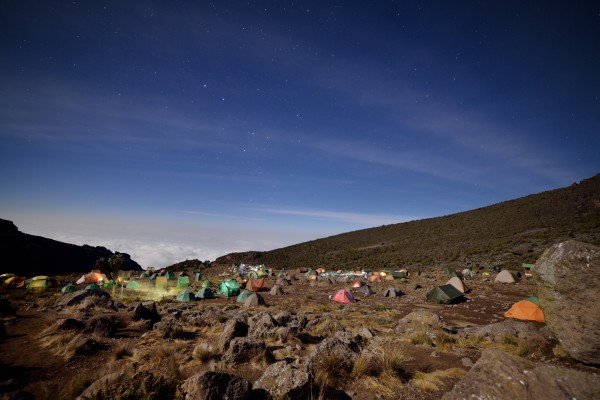
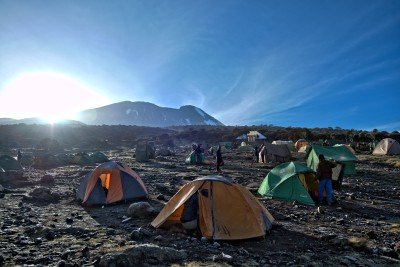
The picture of Freja and Carl was taken at approximately 4,200 m on the way to base camp, the day before the final push towards Uhuru Peak. The night picture is from Barranco Camp — the light streaks between the tents are people with headlamps walking around during the 20-second exposure. The next picture is from Barranco Camp just before "the wall" — the colours at altitude are very vivid and the morning and evening light is fantastic.
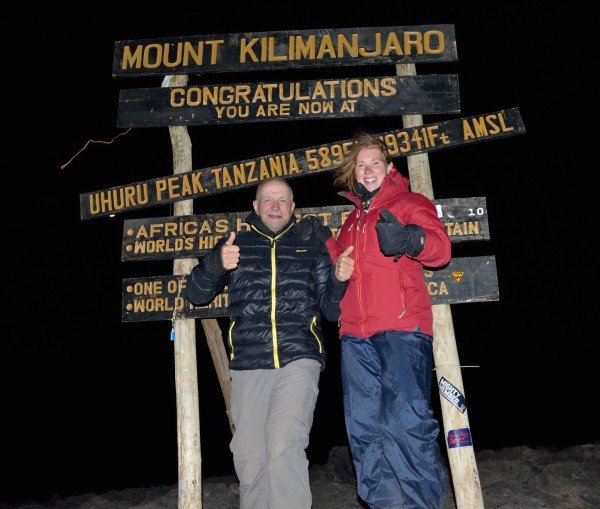
Finally we reached Uhuru Peak — it was still dark and it was some of the coldest conditions I have ever experienced. I had taken the Arctic mittens off my hands to be able to use the camera. Clothing: I have never worn as many layers as on that last push to the summit, and it was necessary.
Extra pictures