Hawaii — Fire and sea in the Pacific
An amazing journey through 4 islands: Kauai, Oahu, Maui and Big Island
Hawaii is an archipelago of 6 main islands, located in the middle of the Pacific Ocean, and one should consider each island as unique. Each island is very different from the neighbouring island, so when you want to visit Hawaii, you have to decide what you want to see — is it active volcanoes, is it the lush rainforest, or is it surfing? You cannot get it all on one island.
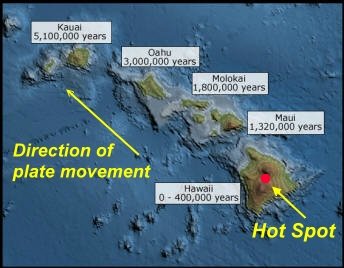
The Hawaiian archipelago has grown up from a “hot spot” — an active volcano in the Earth’s crust. The Earth’s crust moves very slowly towards the northwest, which means the southernmost island, Big Island, is the newest and the northernmost island is the oldest. Big Island emerged from the ocean about 400,000 years ago and is still under development. One of the northern islands, Kauai, was formed just over 5 million years ago. Wind and weather have eroded the oldest islands for 5 million years, making them significantly lower than the newer islands to the south.
Kauai — the northern island
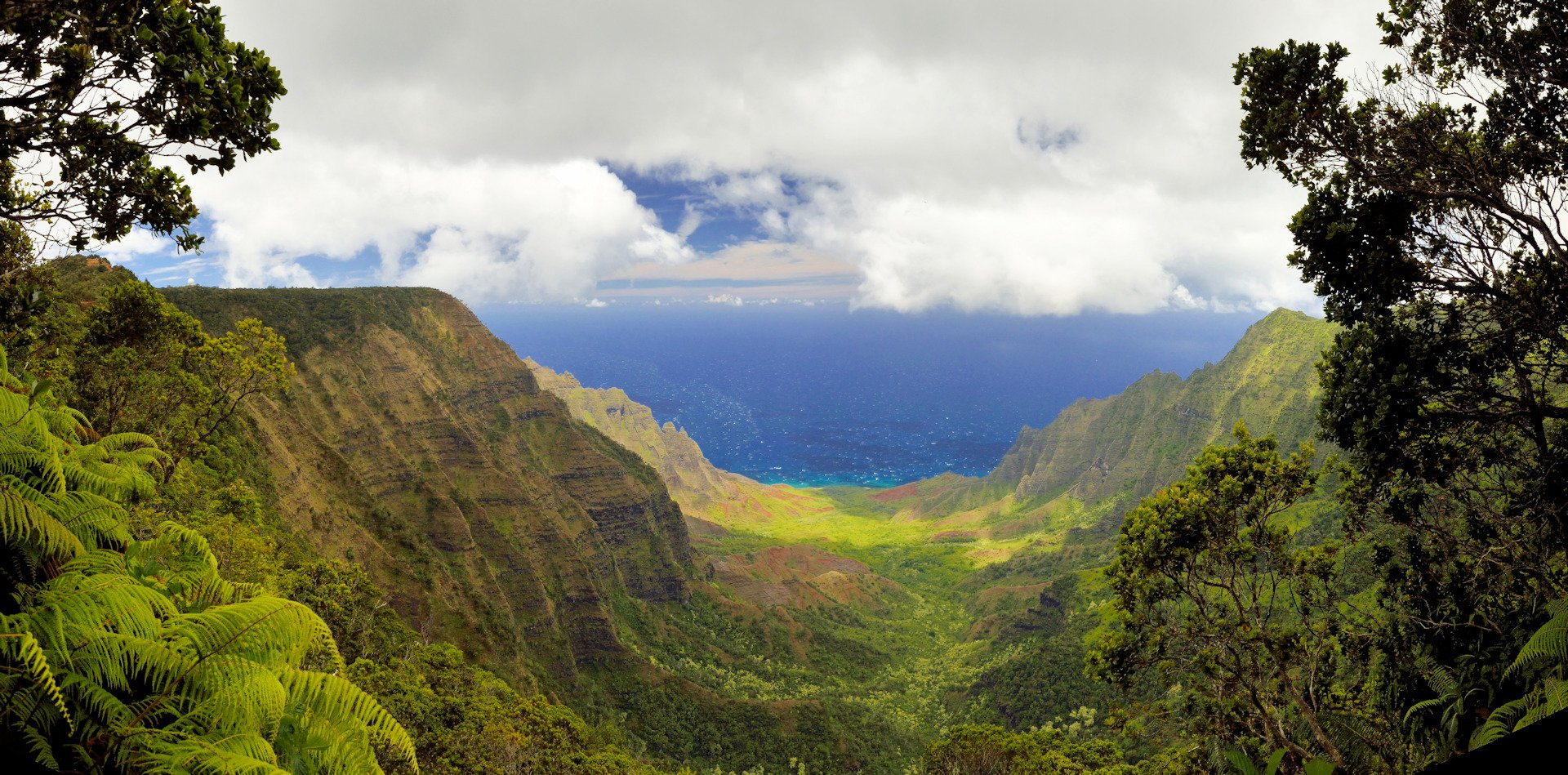
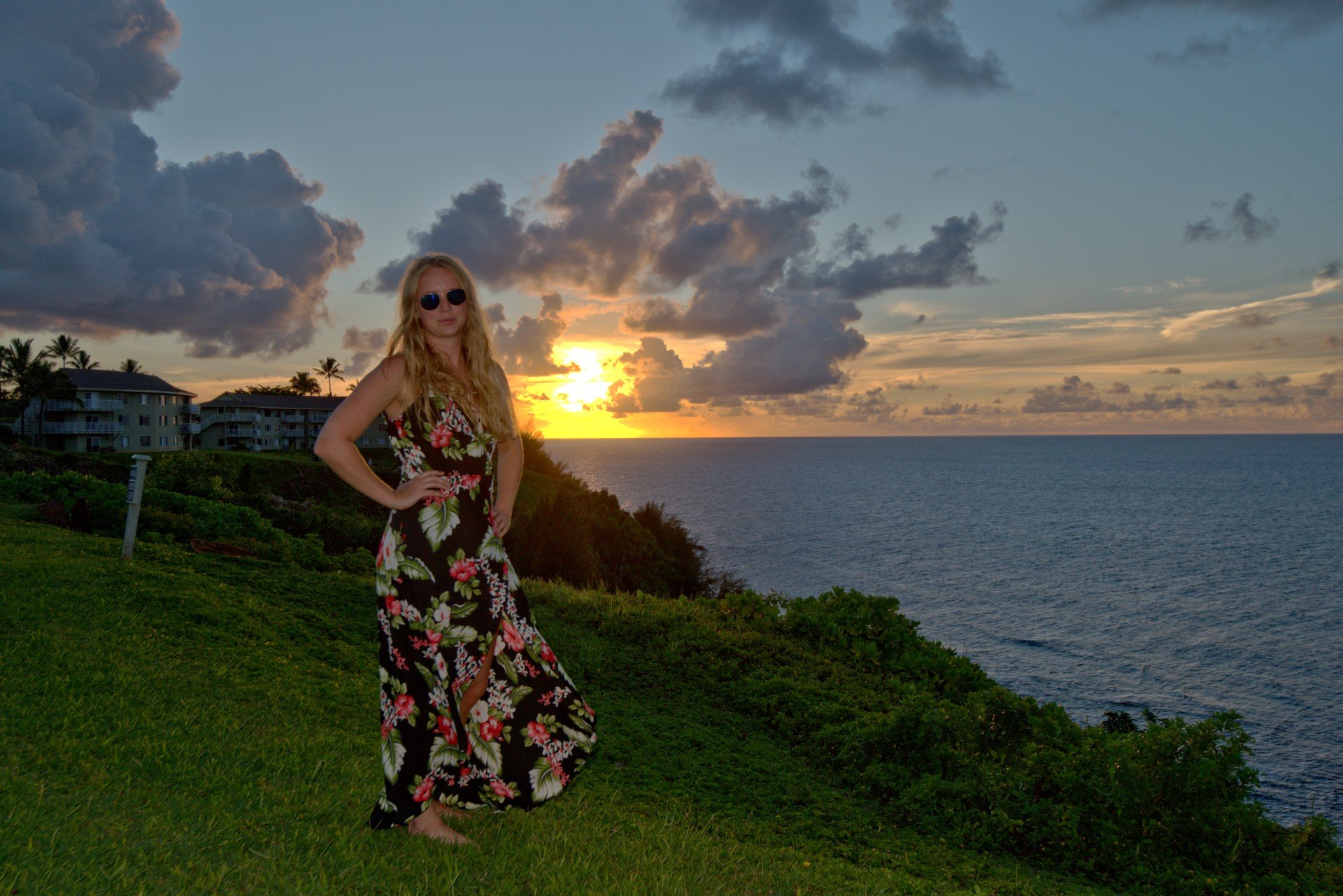
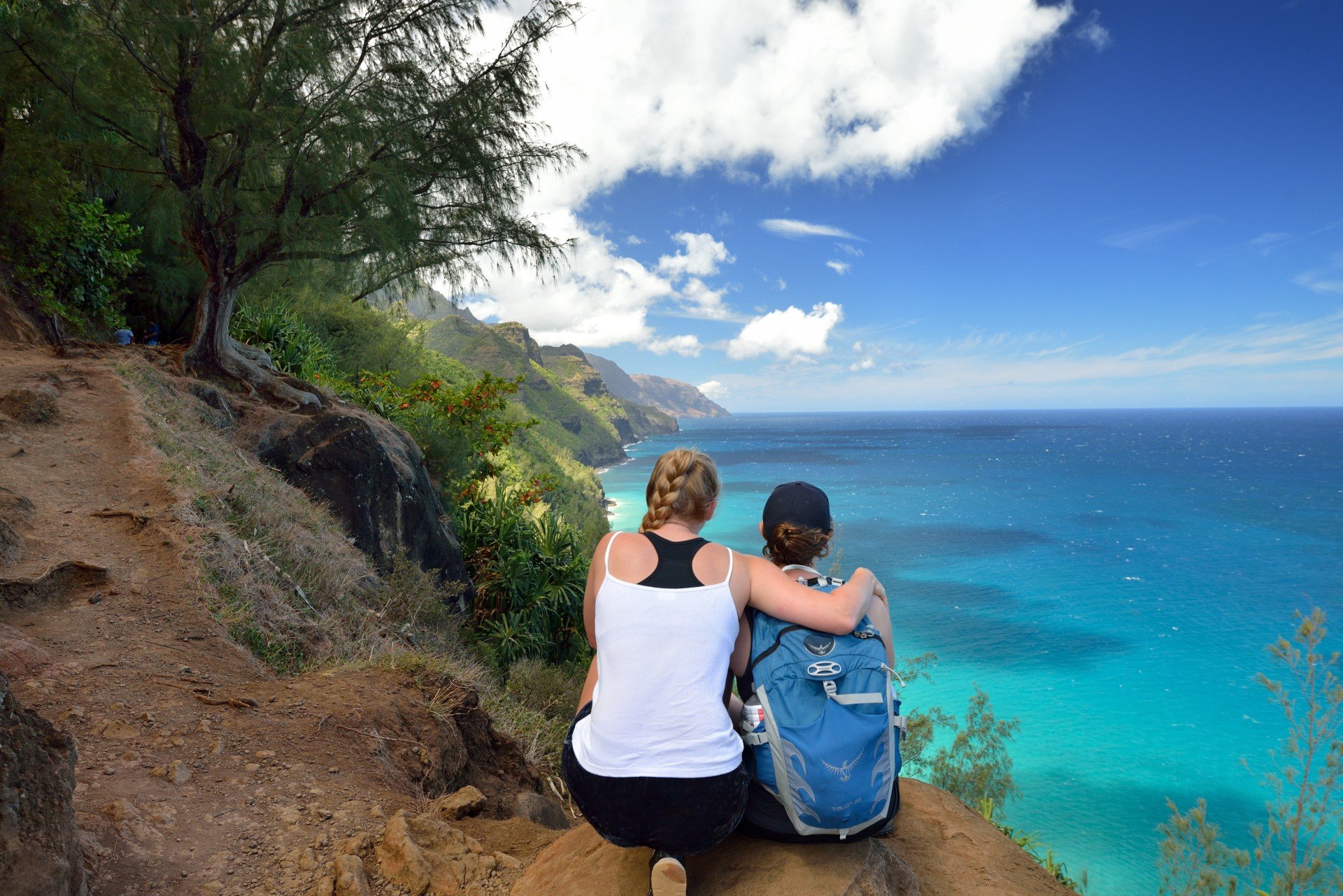
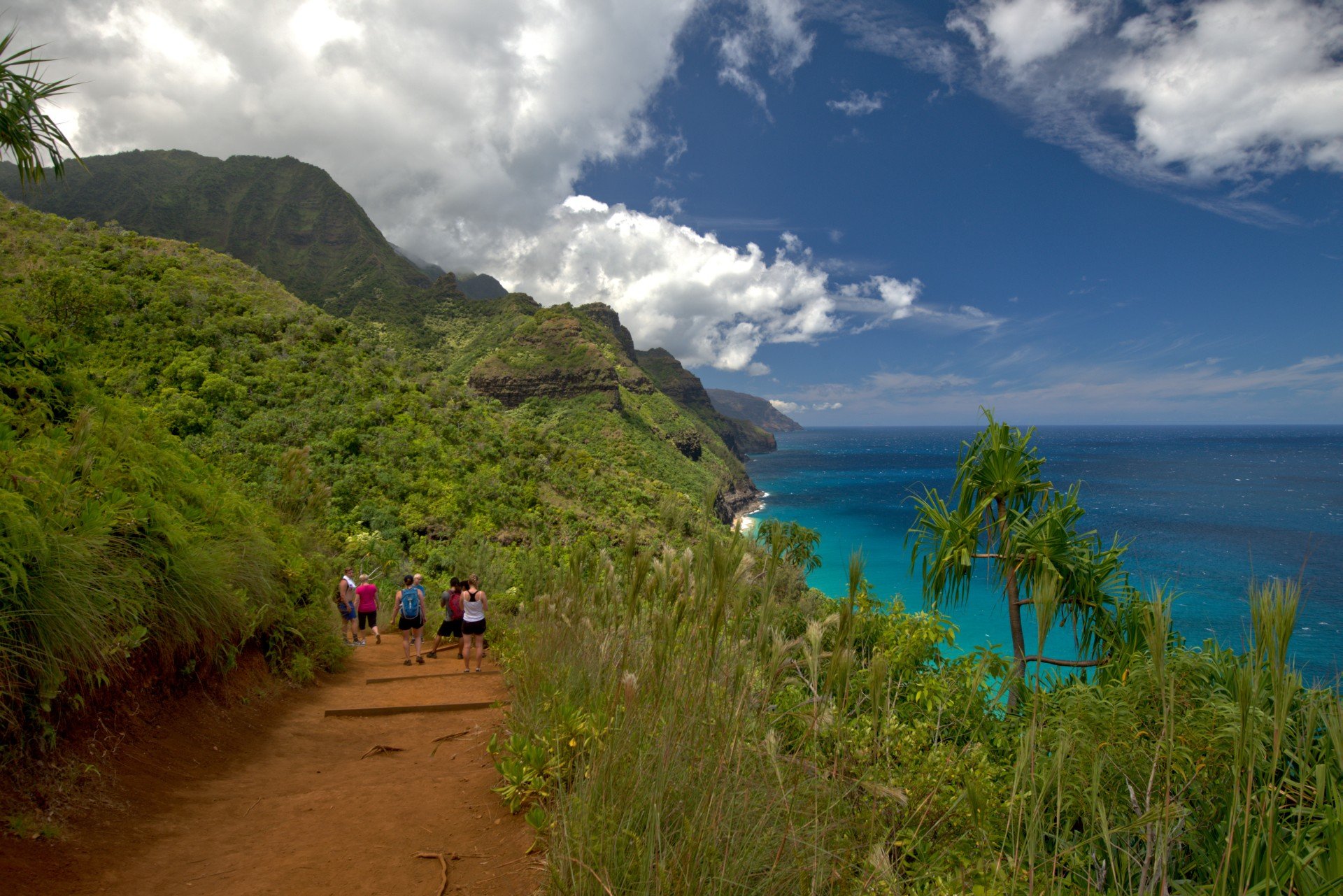
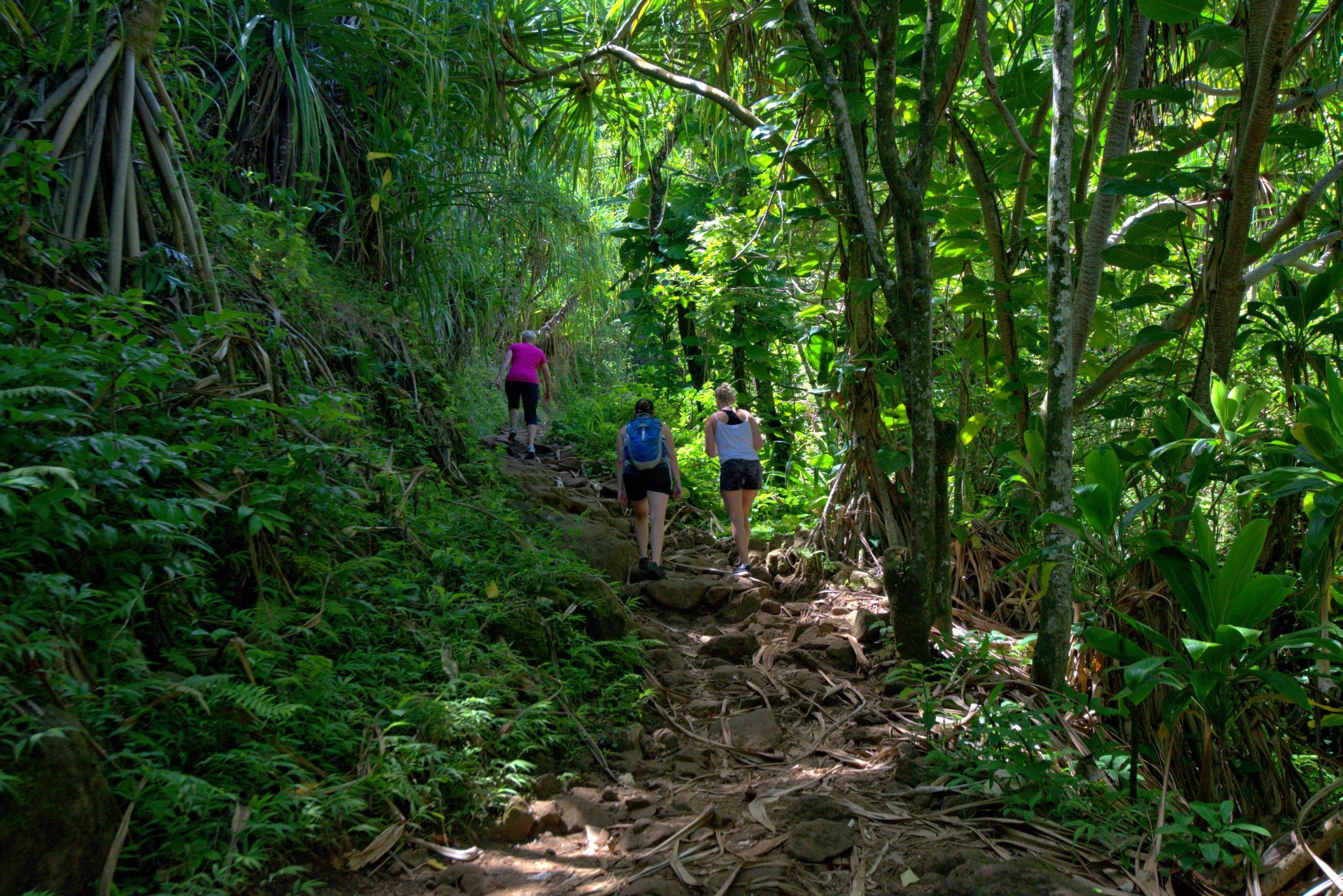
Kauai is covered in tropical rainforest and is simply a must-see if you are into nature experiences. Kauai is 5 million years old and its highest point is therefore only 1,500 metres. On the northwestern side of the island lies “Na Pali Coast” — a large area without roads, accessible only on foot or by boat. On the first few kilometres of the “Na Pali Coast trail” there may be many people, but after just 1–2 hours of hiking only a few remain, and you have the magnificent nature to yourself.
There are plenty of trails where you can hike for many hours and experience the island’s diversity. You can walk through forests of ginger blossoms with yellow or red flowers that you can smell from a great distance — an explosion of different sensory impressions.
Maui — Road to Hana and Haleakala
Maui is about 1 million years old and its highest mountain is over 3,000 metres (9,000 feet). The island is very divided: the northeastern half is tropical rainforest and the western part is much drier. We stayed on the dry side and drove out on day trips into the tropical rainforest.
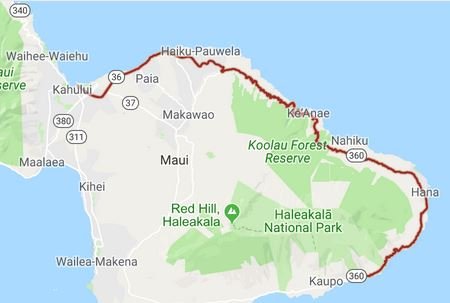
A must-see on Maui is the road trip to the small town of Hana. Even though the trip is only about 30 miles each way, it takes a full day — leave early in the morning. There are over 1,000 sharp turns and lots of bridges where only one car can pass at a time. The reward is magnificent scenery all the way, with plenty of opportunities to stop at hiking trails leading to waterfalls and gorges.
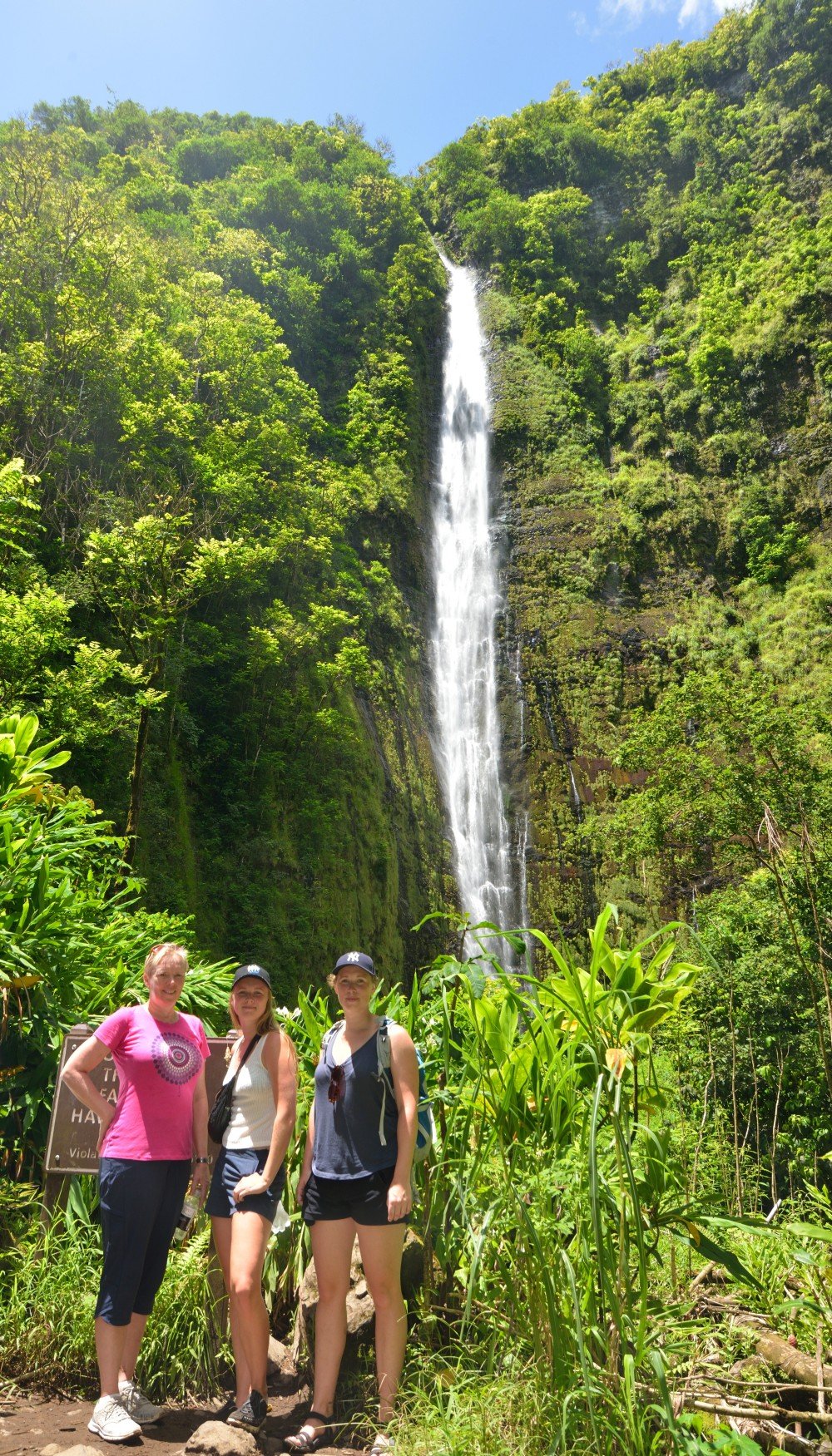
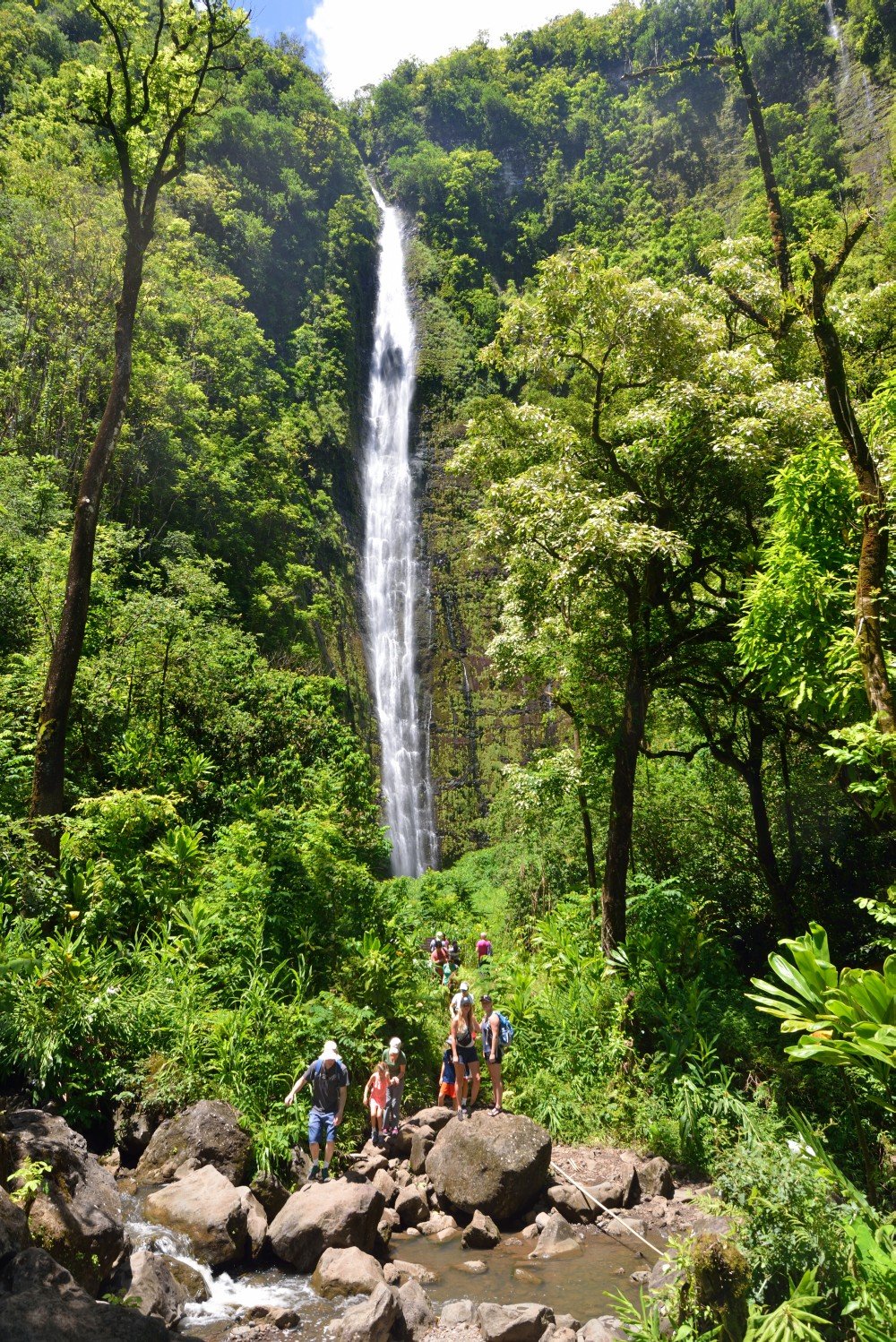
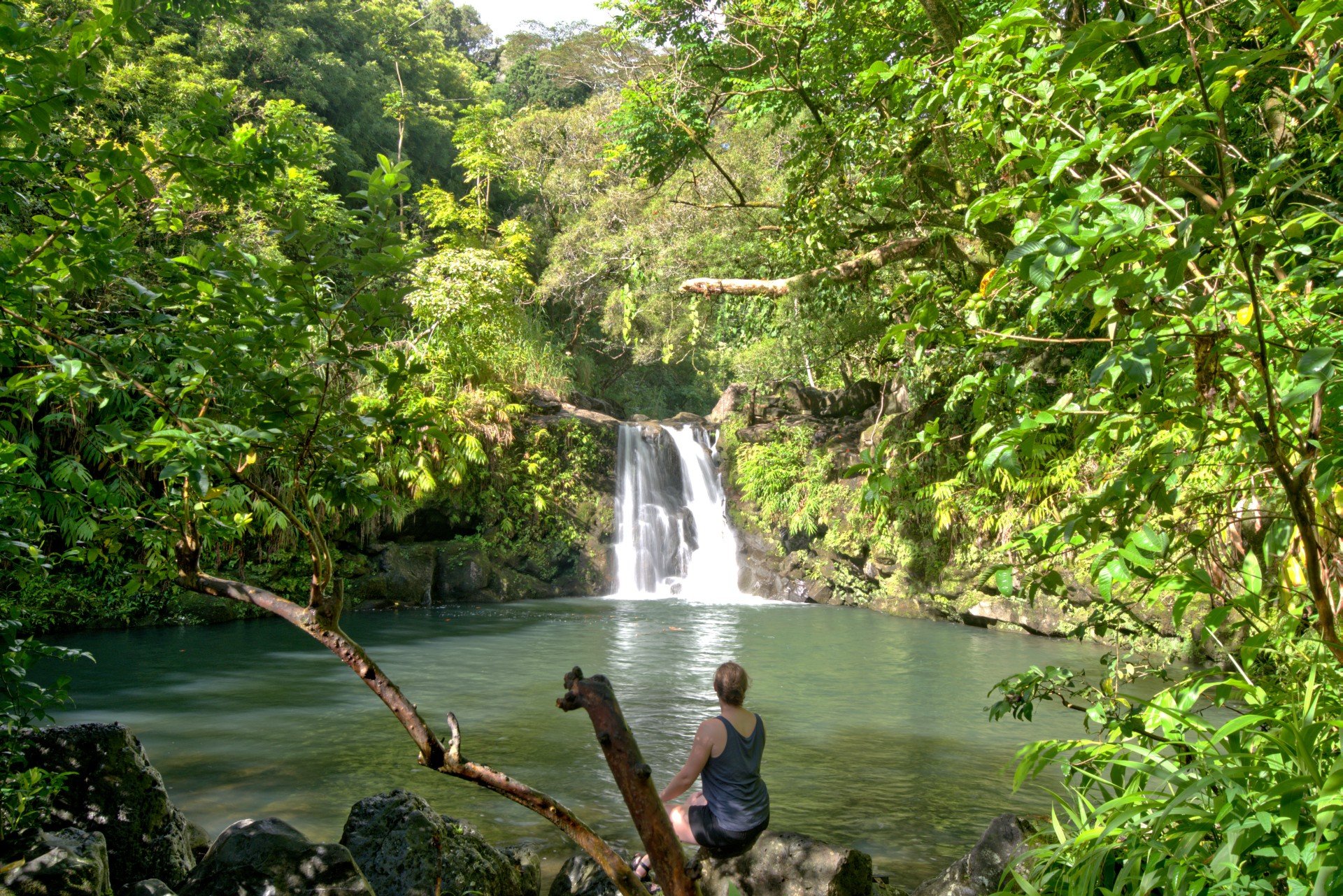
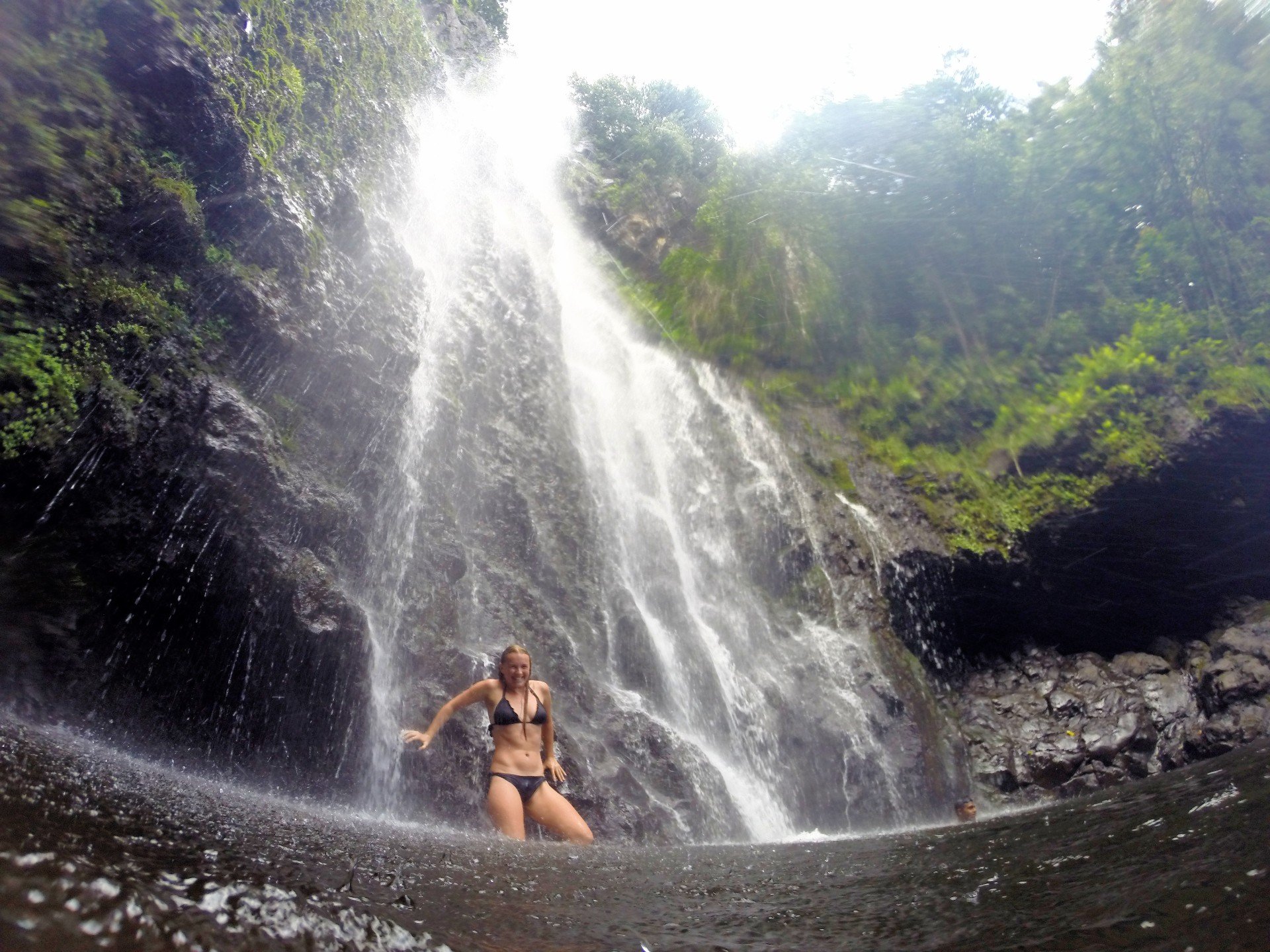
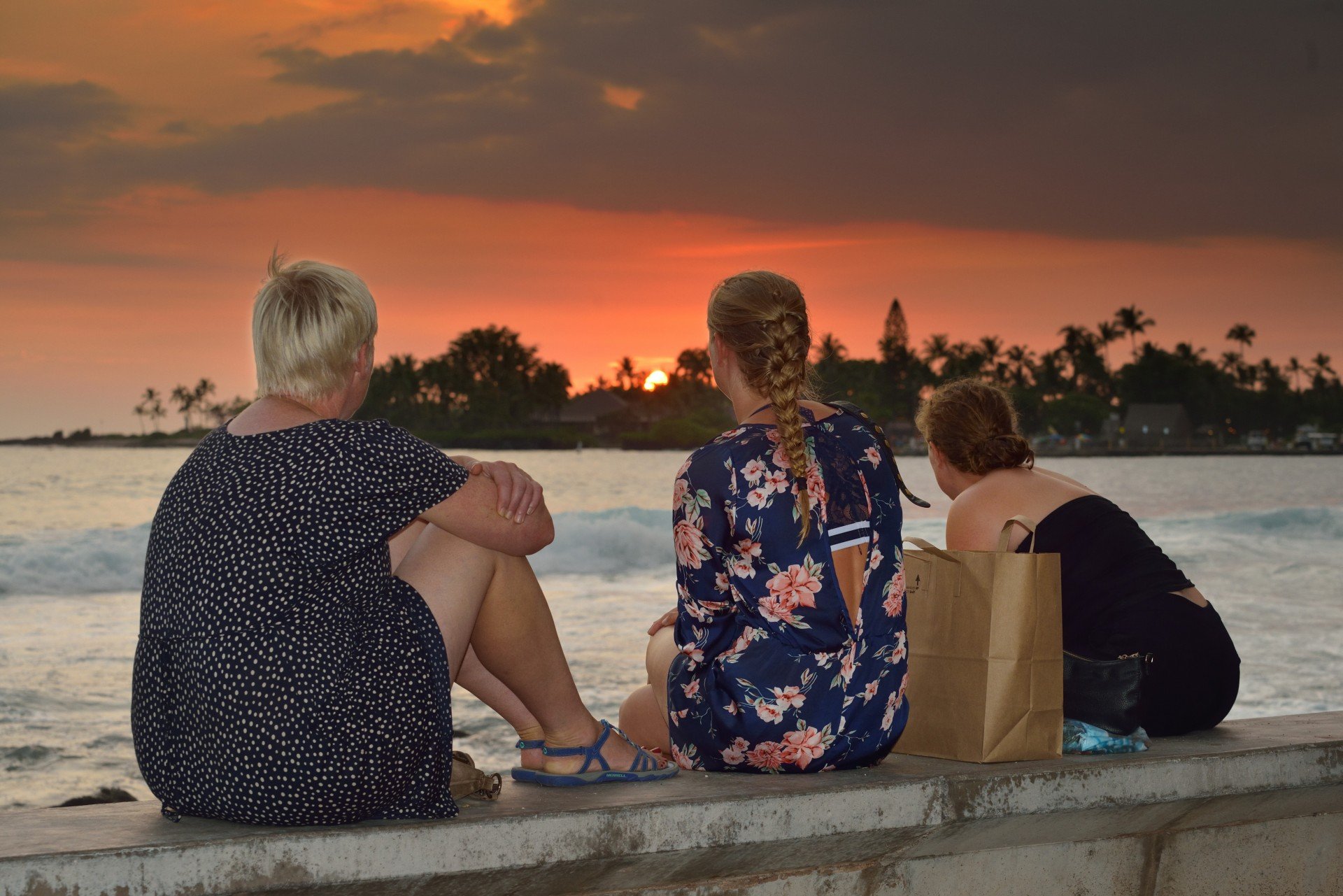
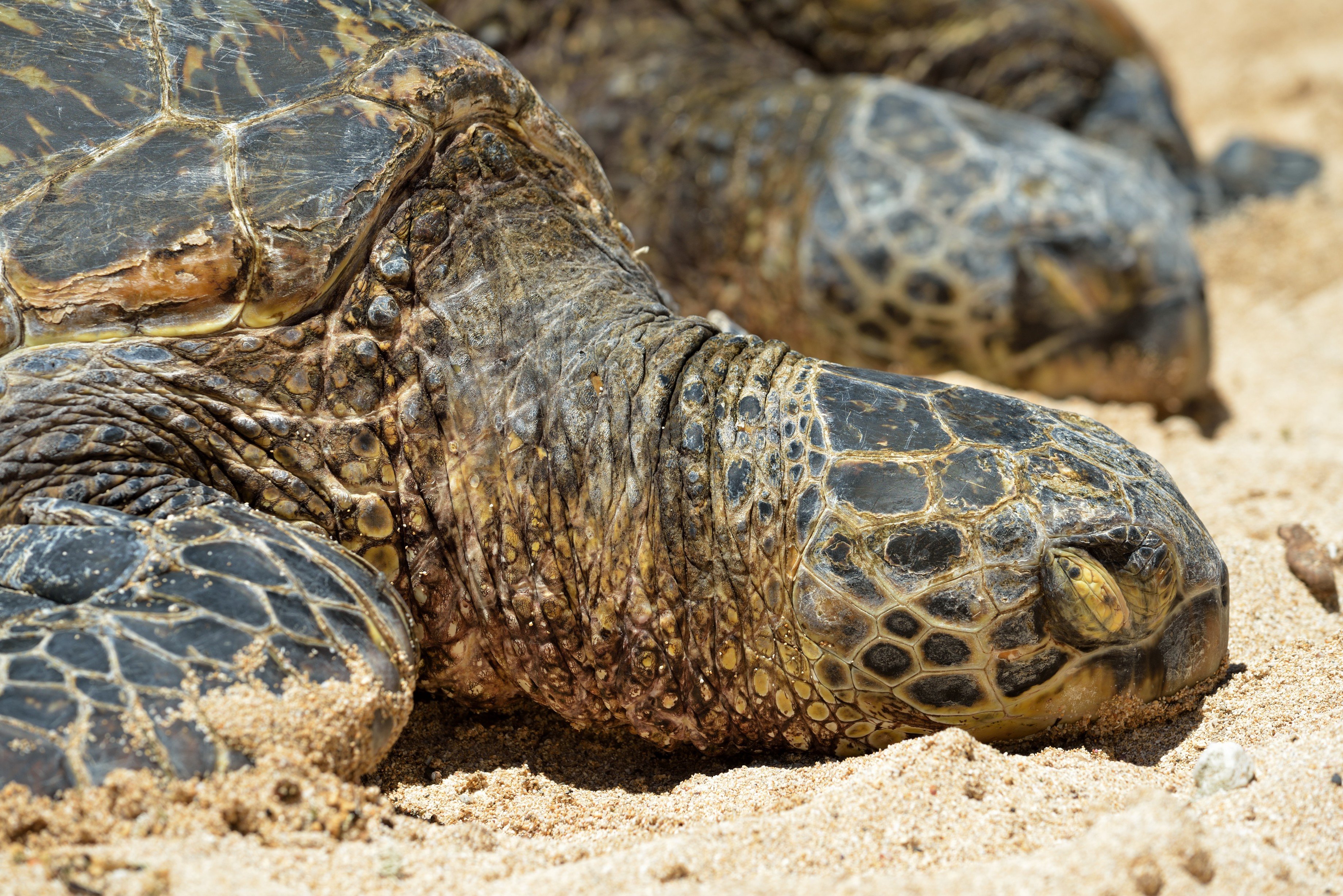
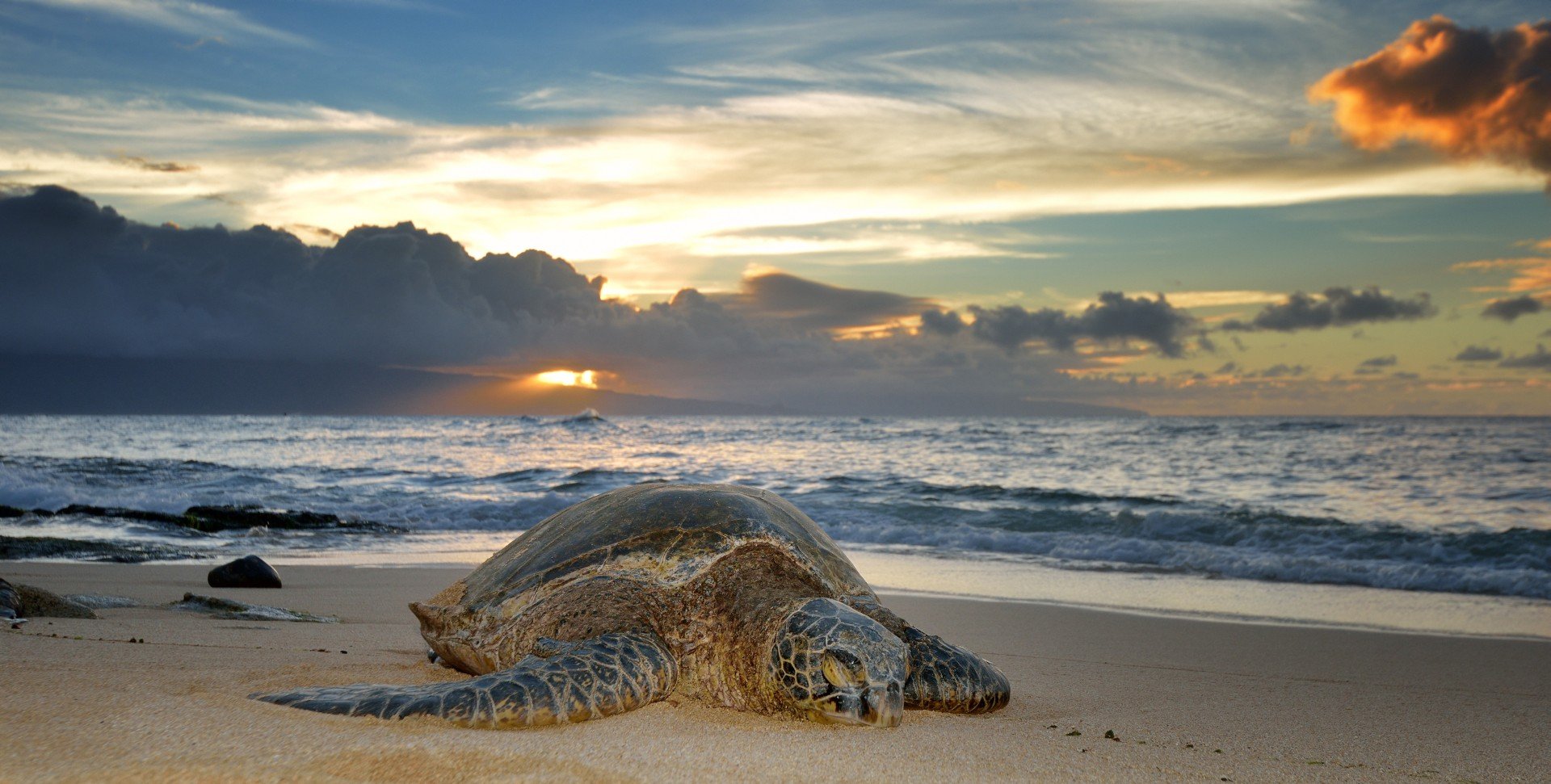
On the way home from Hana, you can enjoy the sunset together with one of the many sea turtles. They crawl up on the beach during the day to warm up in the sun and to sleep.
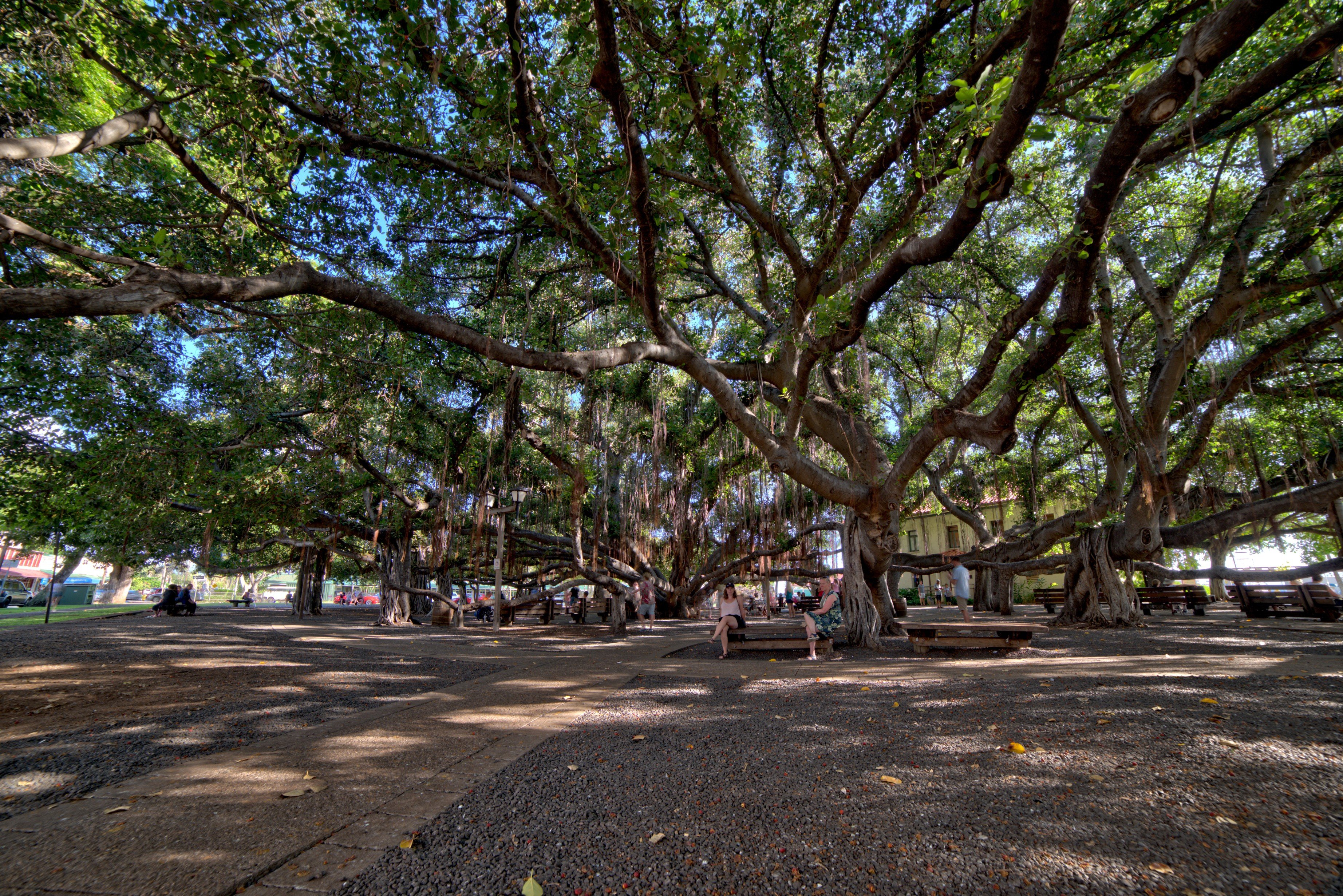
If you want some evening entertainment, head north to the small town of Lahaina, where food and entertainment for the whole family are often arranged while enjoying the sunset over the sea. Come a couple of hours before the event starts so you have time to see the big Banyan tree that fills an entire park — a mother tree sends branches and vines to the ground, and then another trunk begins to grow, and so it continues indefinitely.
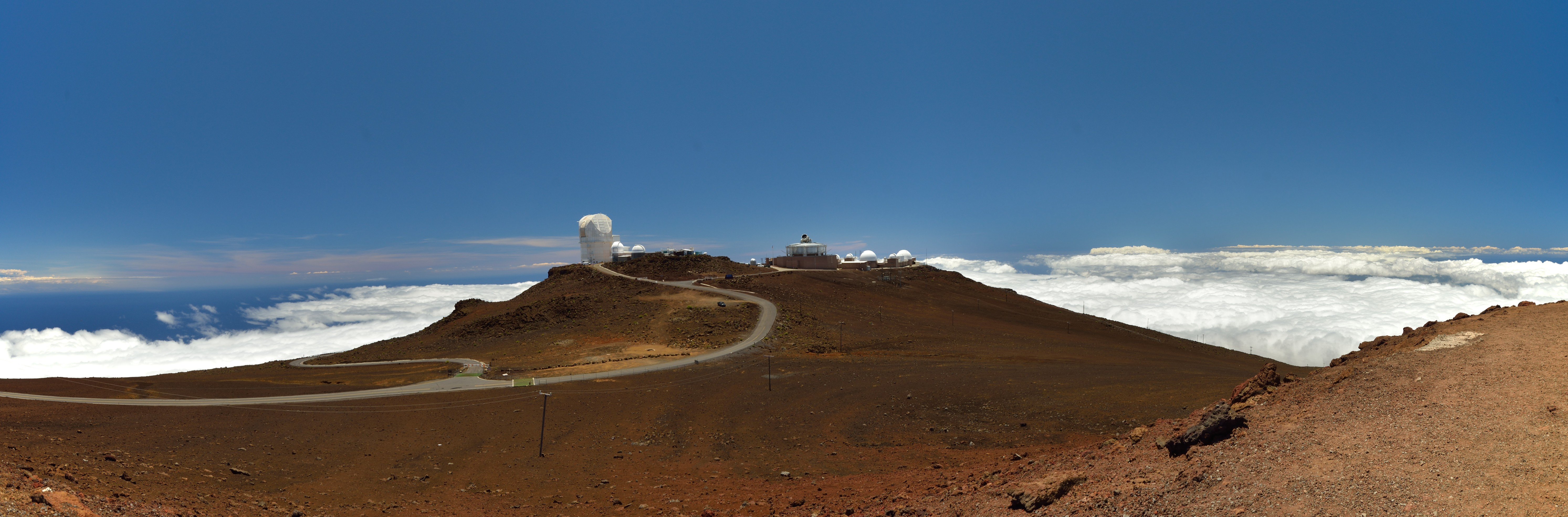
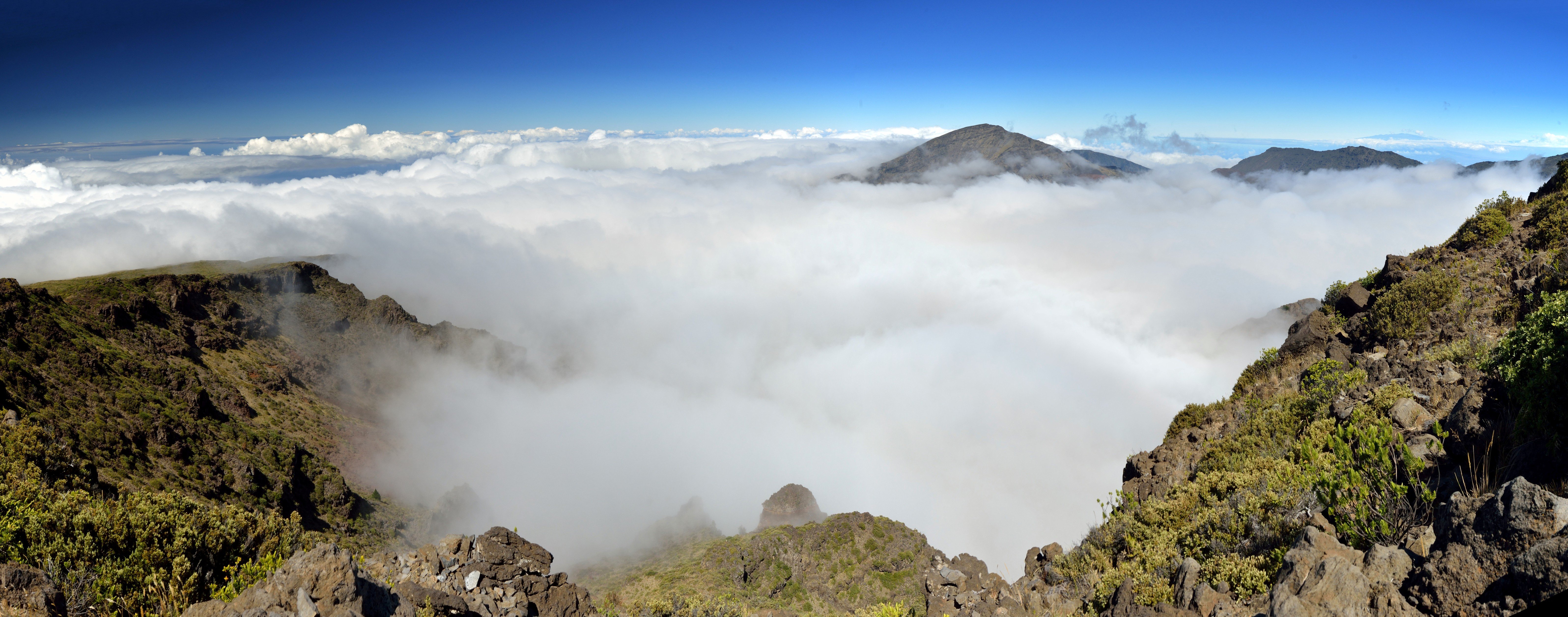
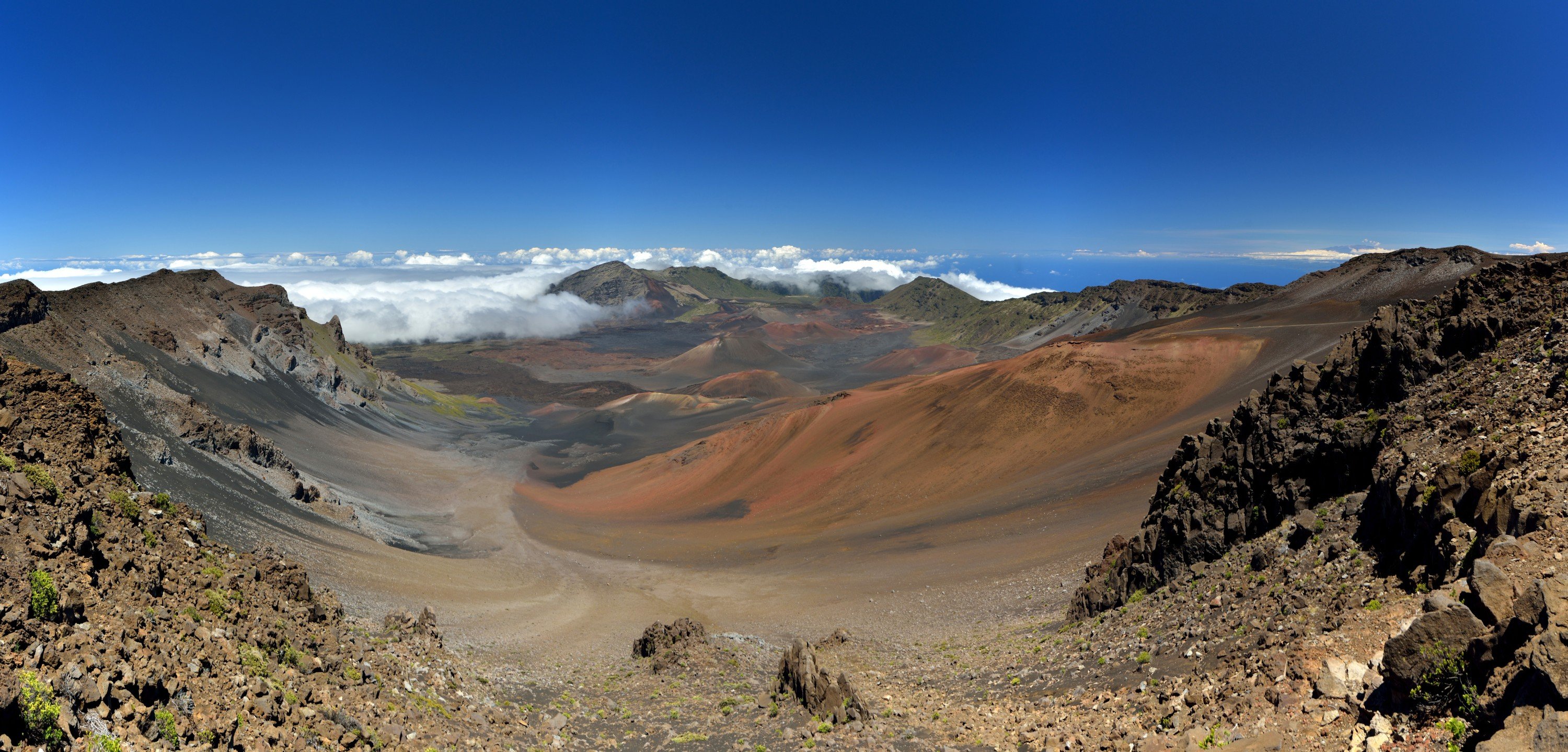
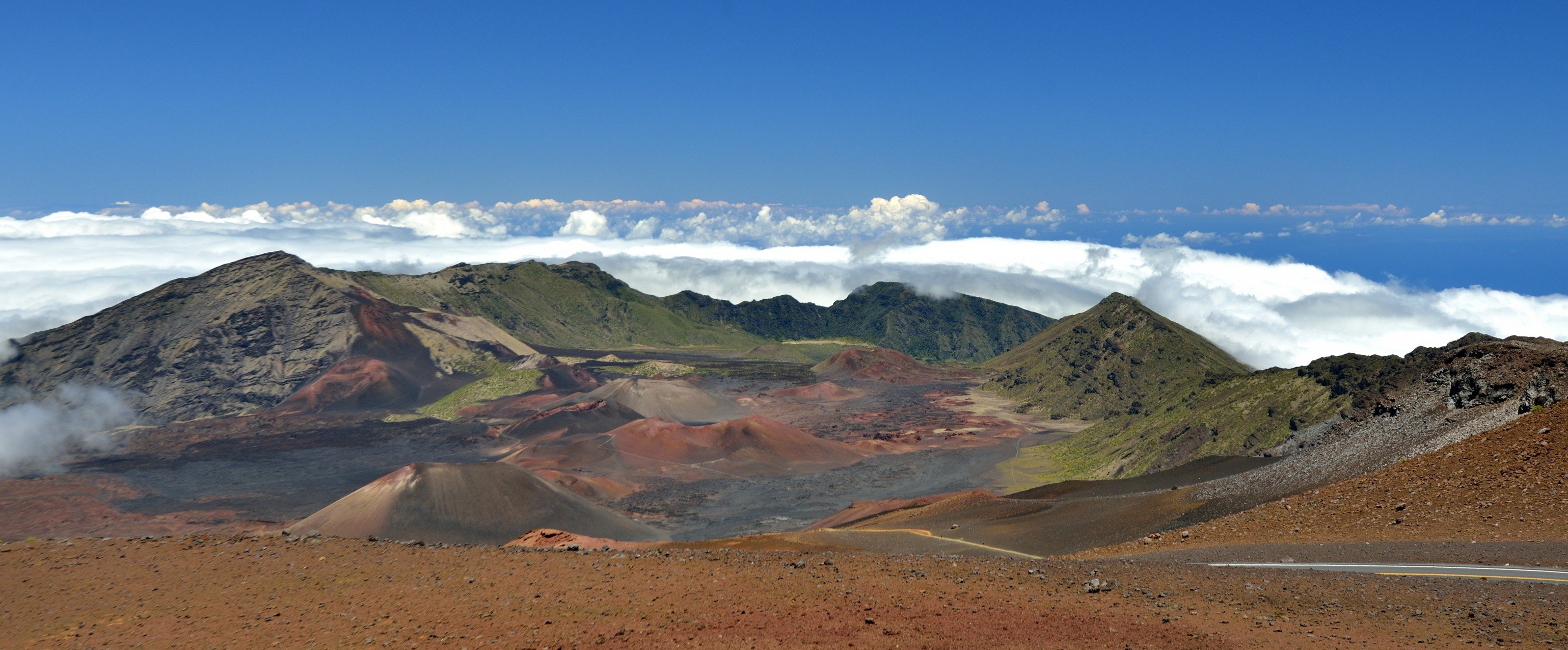
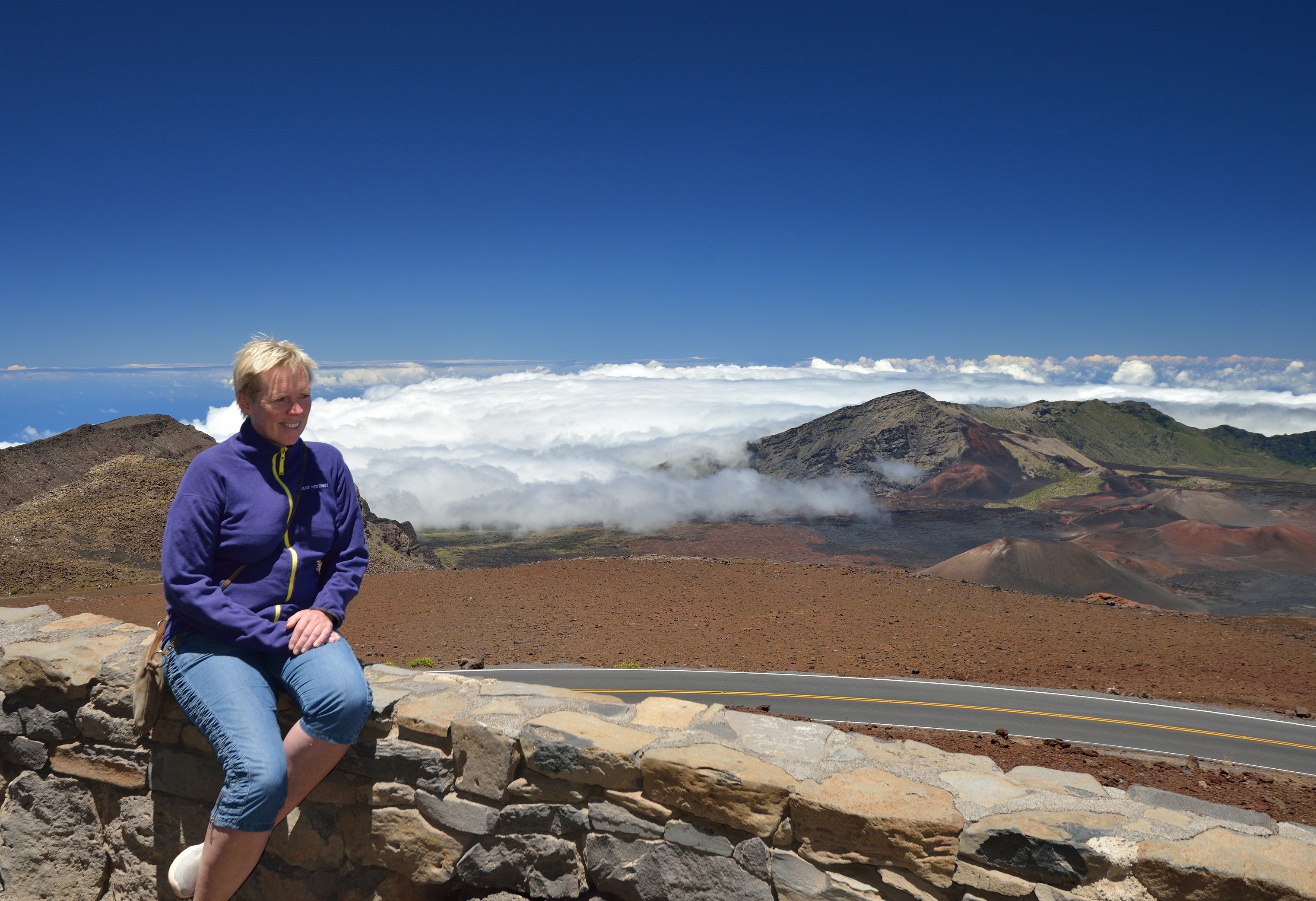
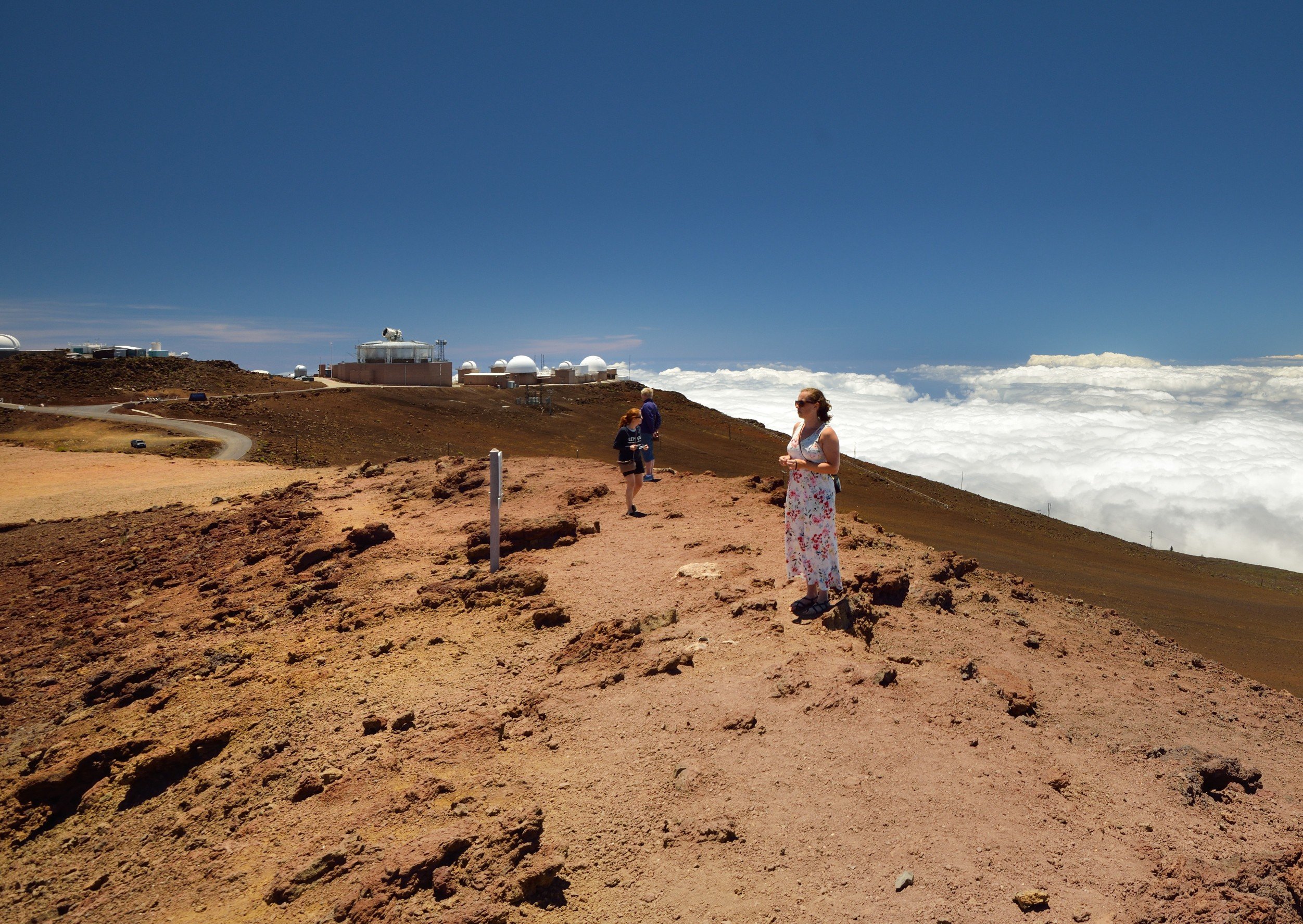
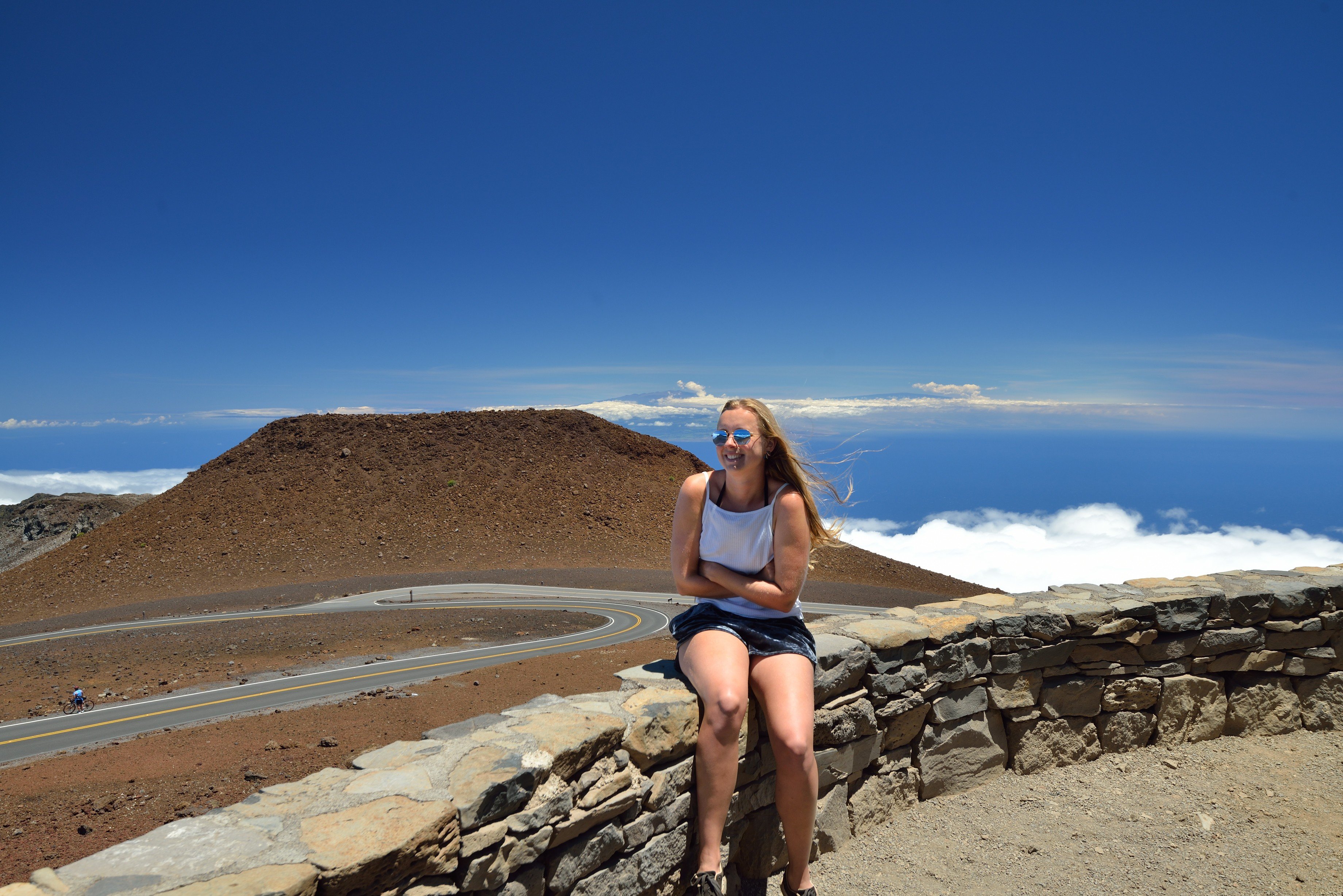
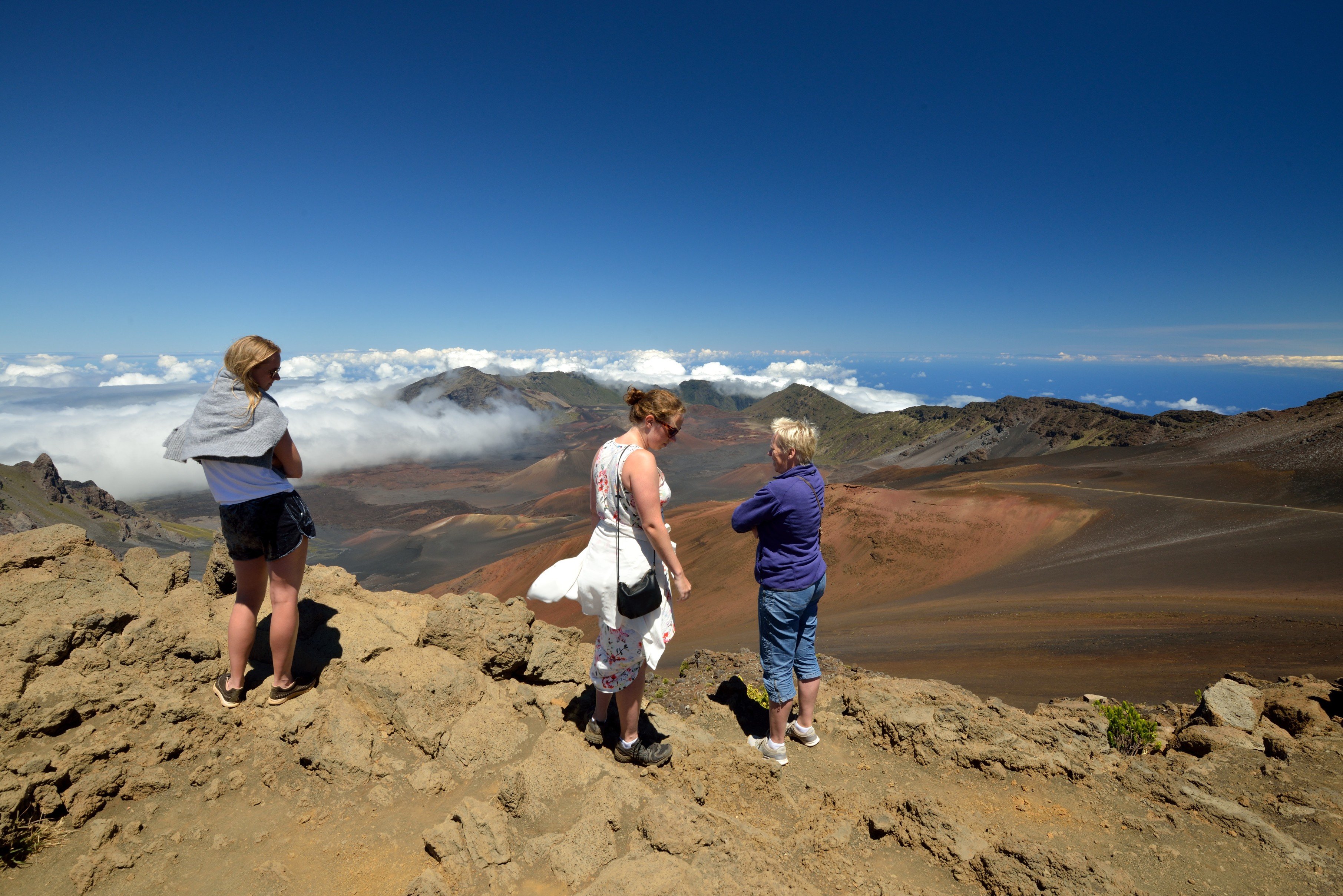
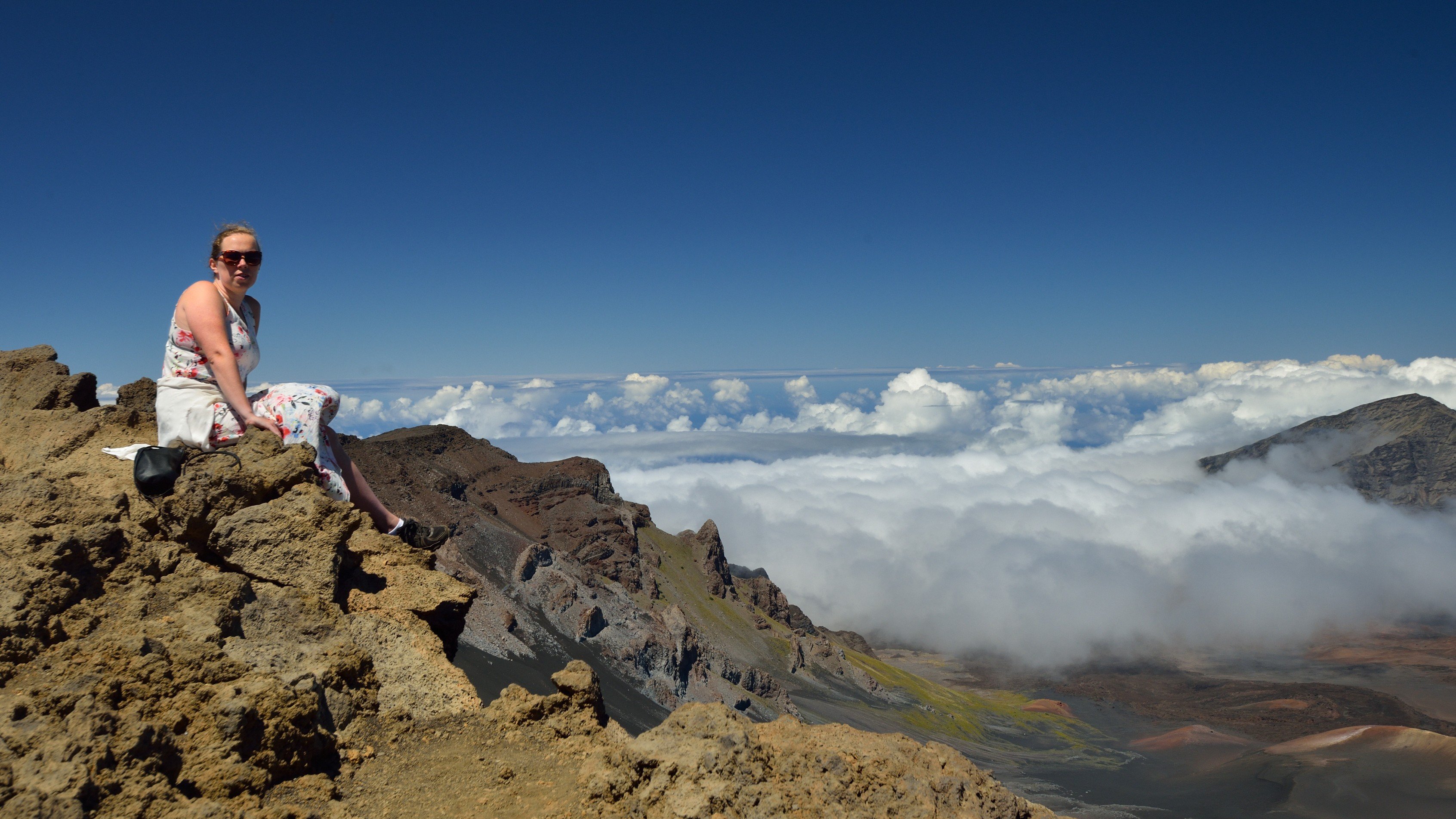
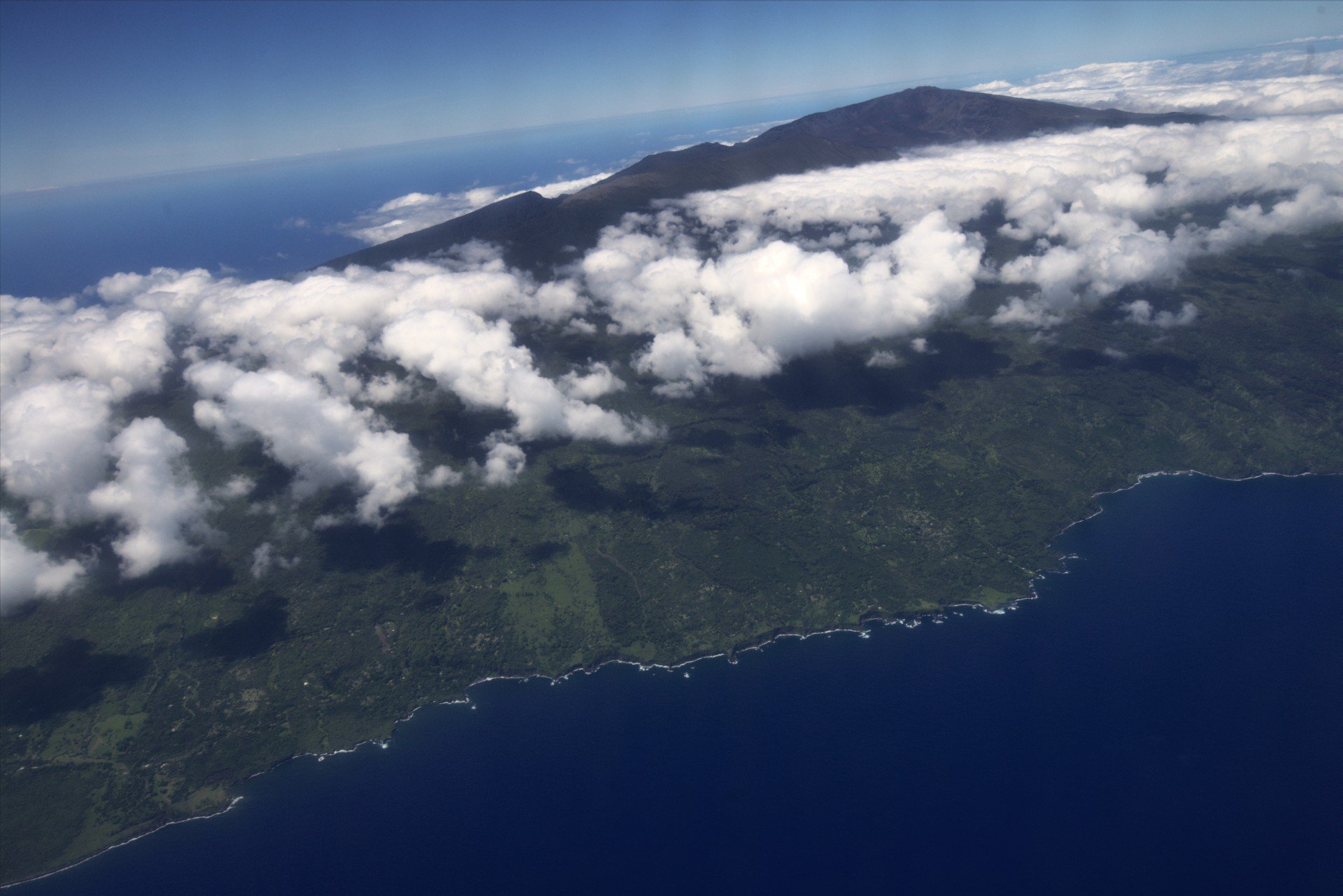
Another full-day excursion from Maui is up to Red Hill Haleakala. After many sharp turns you come through the cloud cover and up to the top of the dormant Haleakala volcano at around 3,000 metres (9,000 feet). If you have time and good footwear, there are several hiking routes around the summit — remember water and a compass if clouds roll in. In some of the pictures you can make out Big Island in the background; the air is very clean and the visibility is enormous.
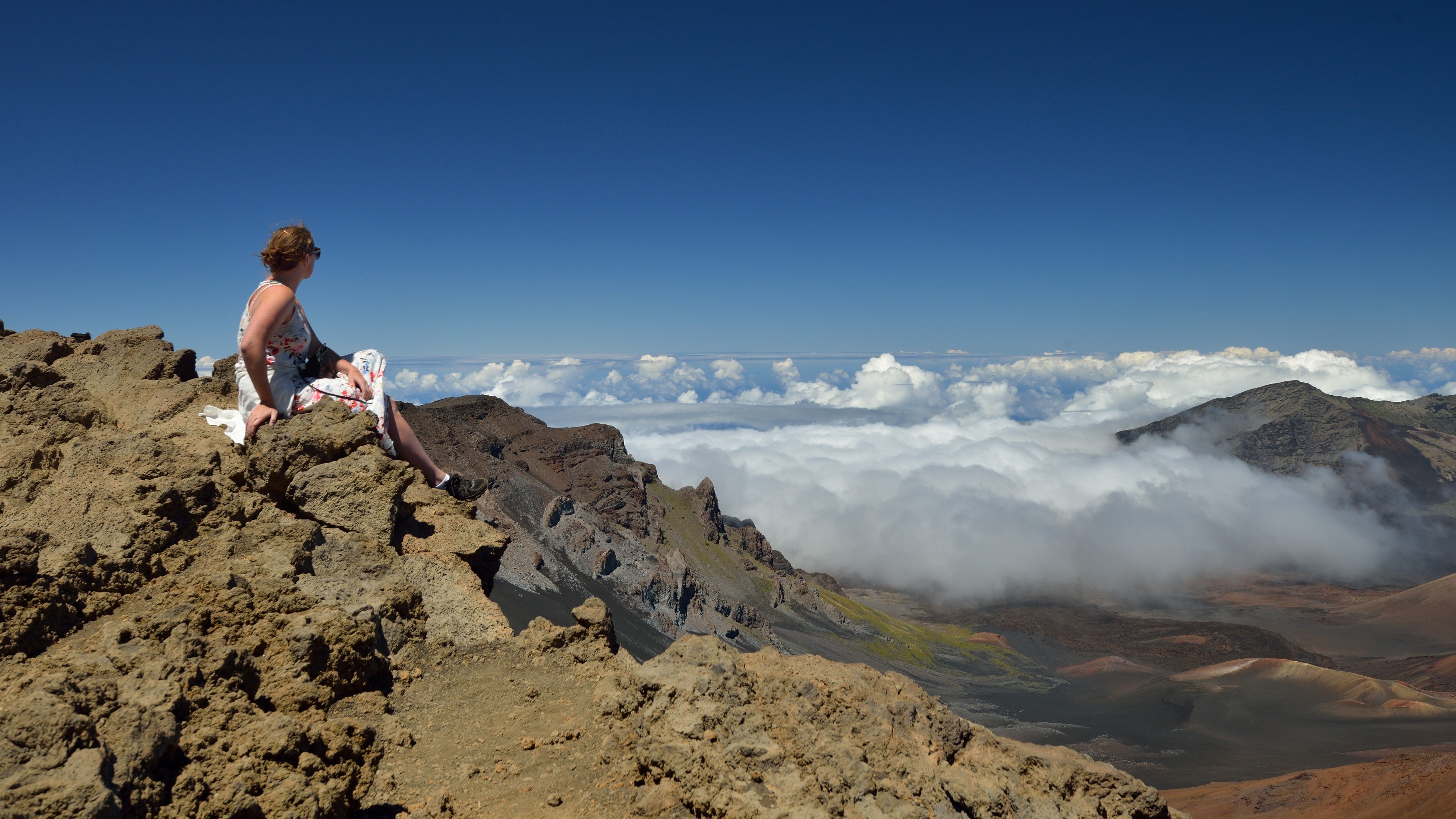
Big Island — Active volcanoes and lava fields
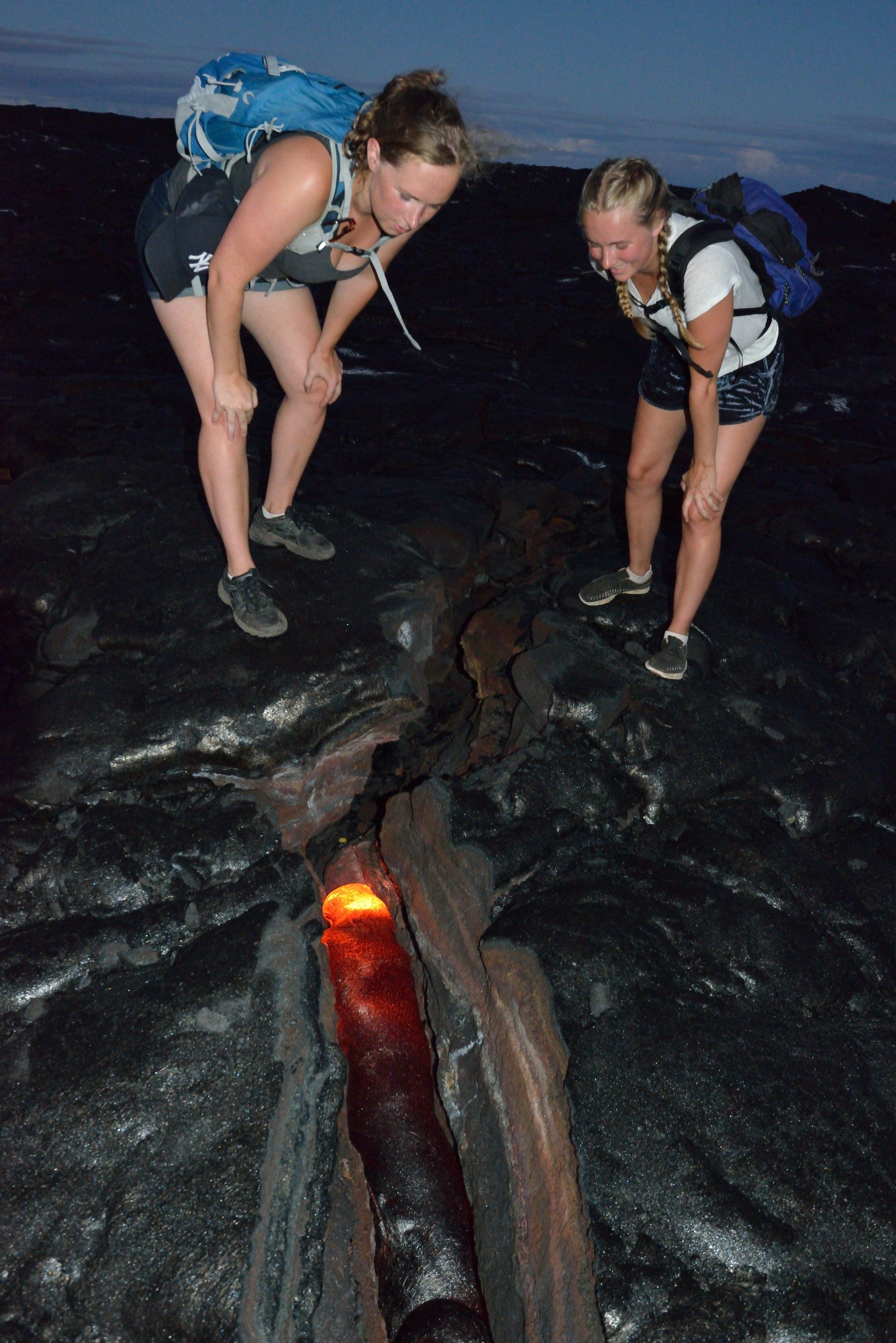
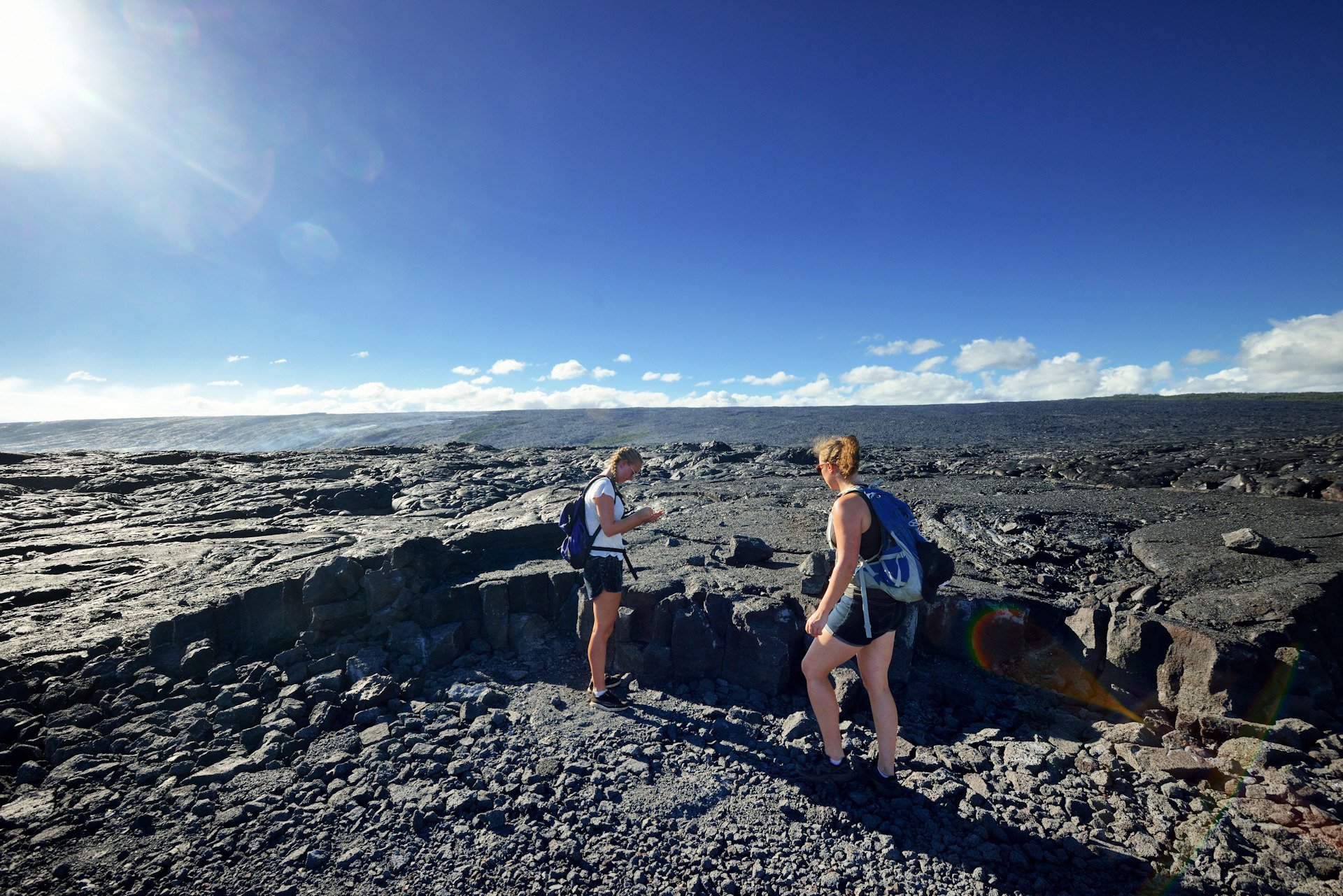
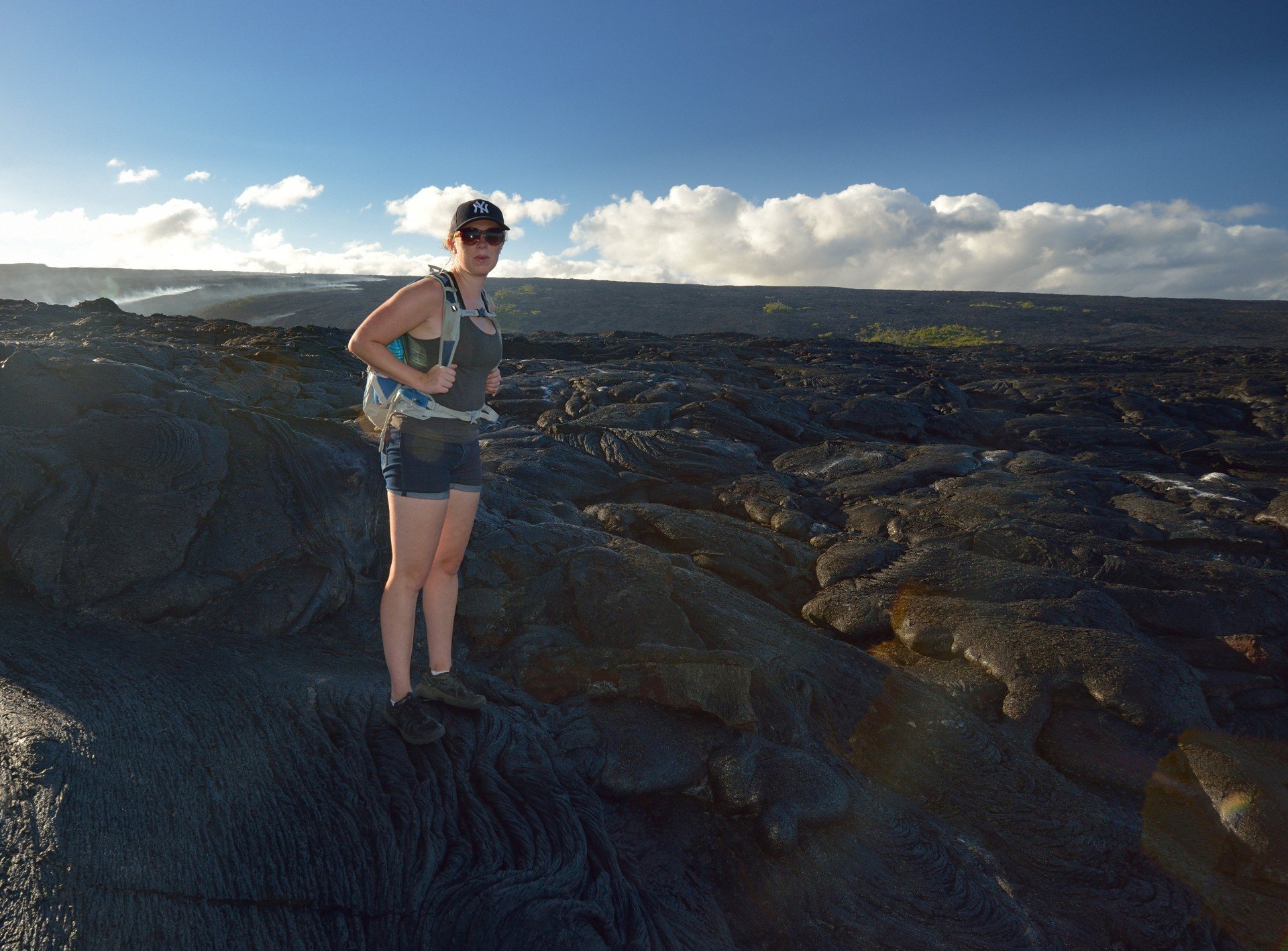
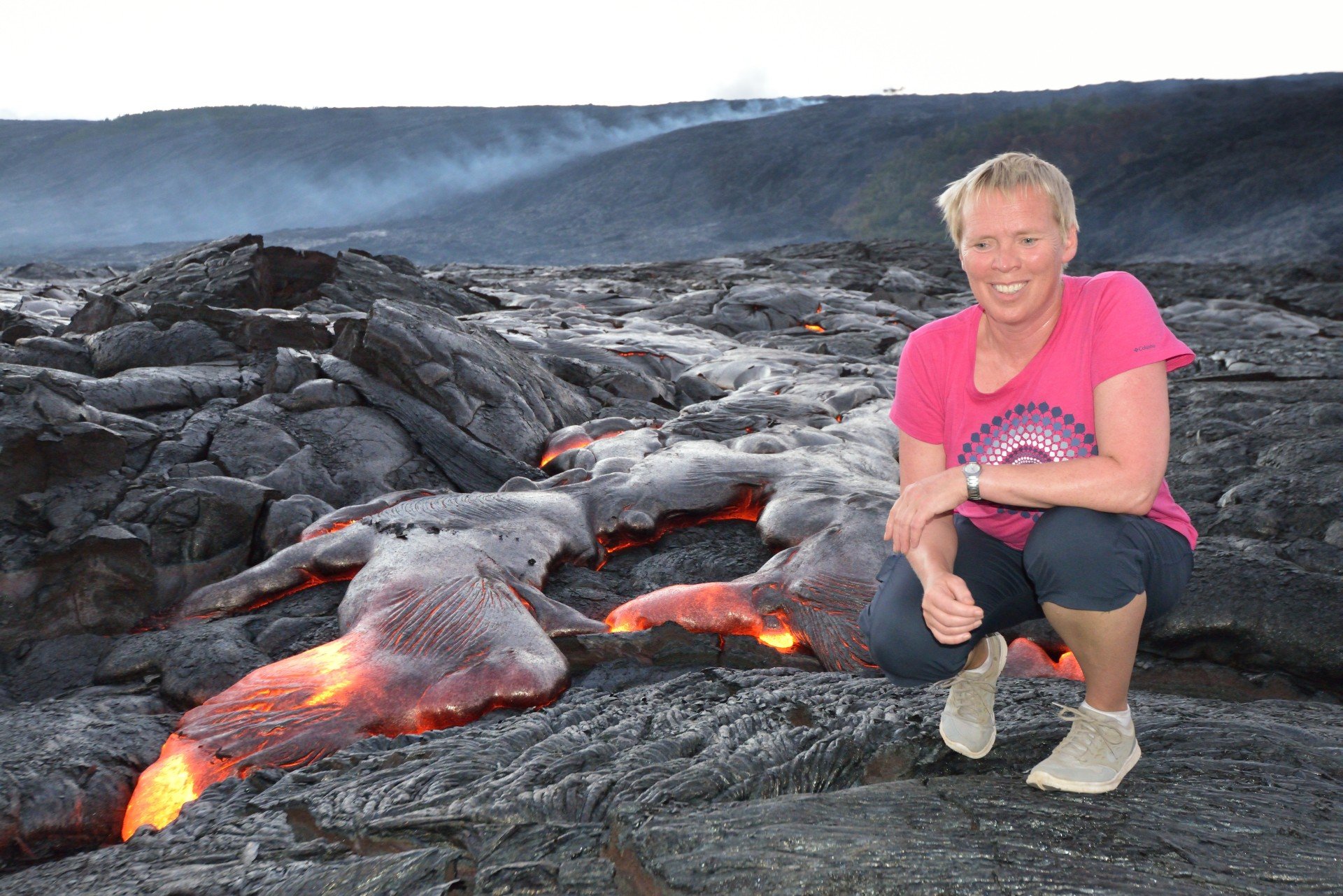
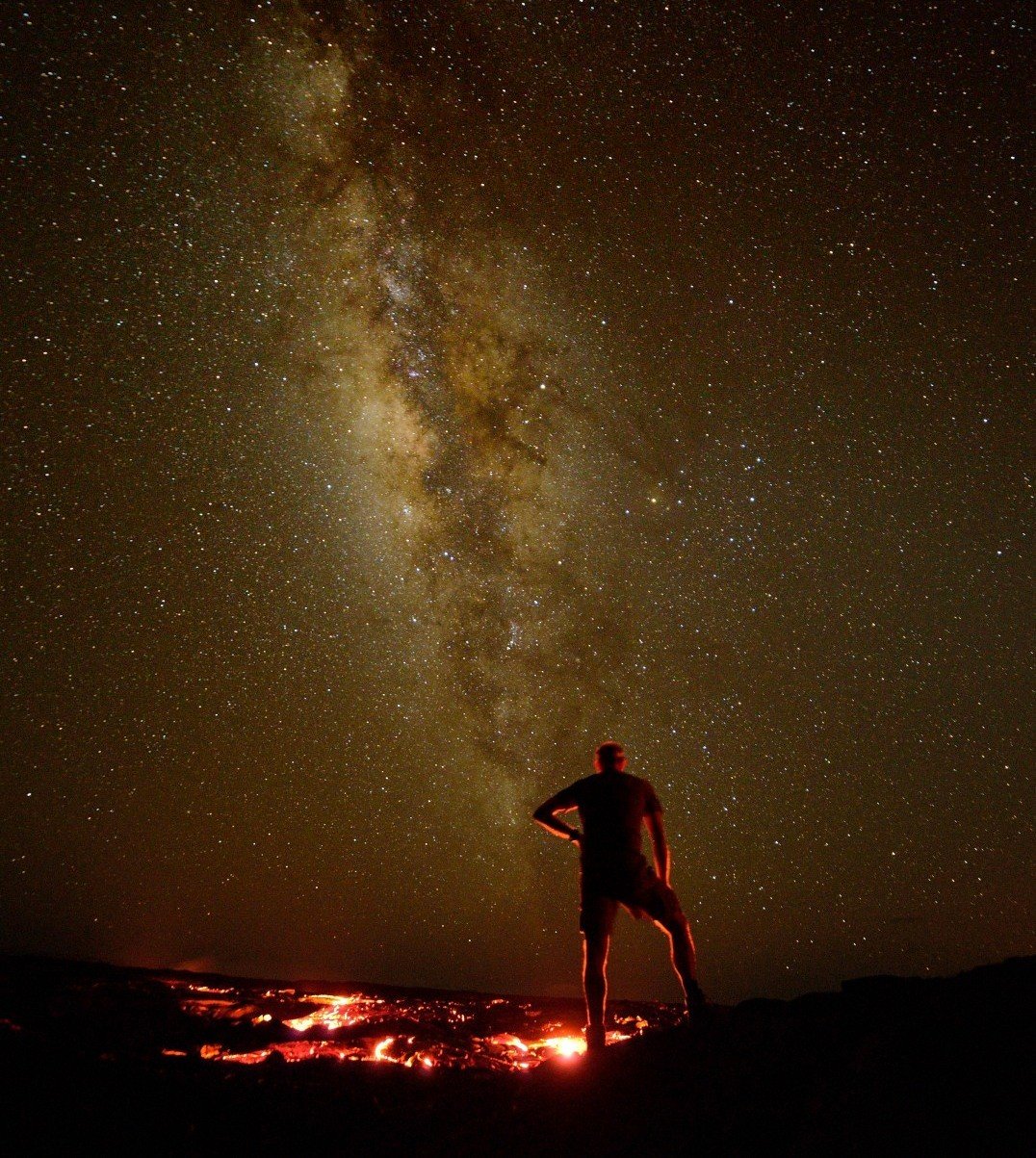
Big Island is the newest island with an active volcano on its southern end. If you have the opportunity and dare, go out and see a volcano up close. We went on a guided tour out to the active area, and I stayed there at night. It was one of the most fascinating things I have ever experienced: sitting all alone and watching the Milky Way appear while being able to feel and see the flowing lava — it is wild. Of course it is not something you just do — you need the right footwear and clothing, a good headlamp, a spare lamp, water, GPS, compass, etc.
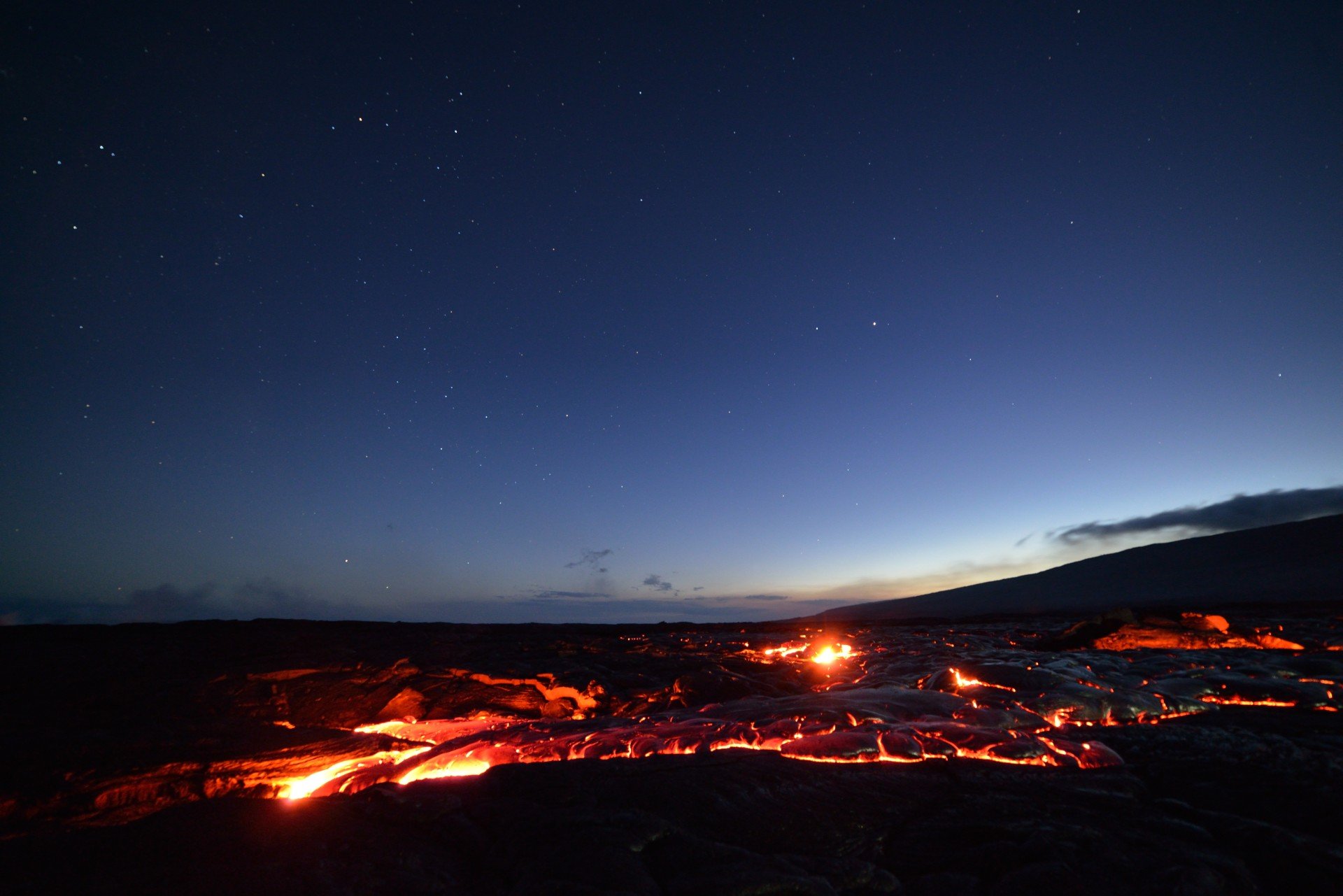
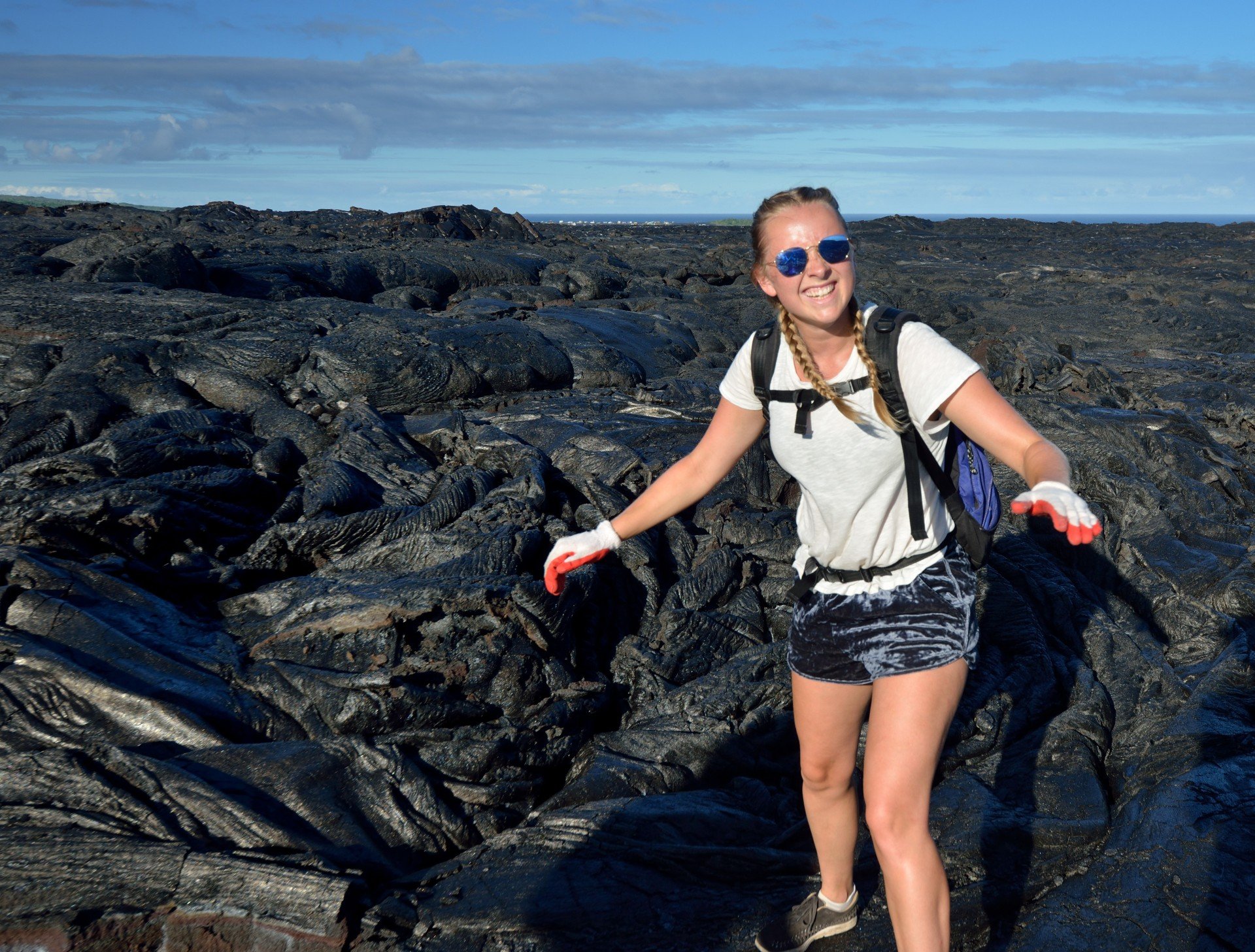
After a few miles of hiking through a lunar landscape of solidified lava from the last 10 years of eruptions, we reached the active area. Eventually we were walking on lava that had formed within the last days and weeks. As night fell, the group headed back and it became very quiet — except for the lava cracking as it breaks through the surface here and there.
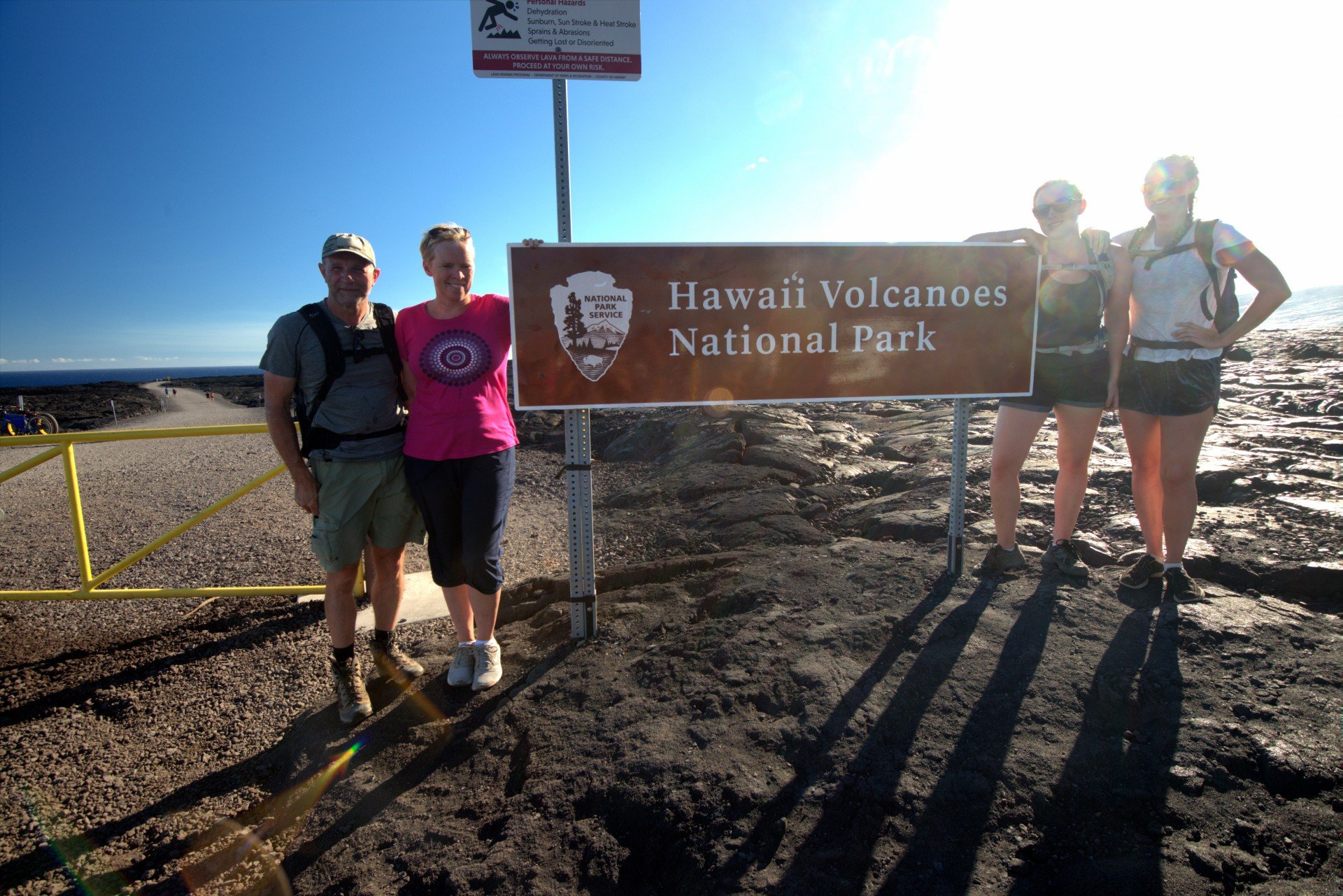
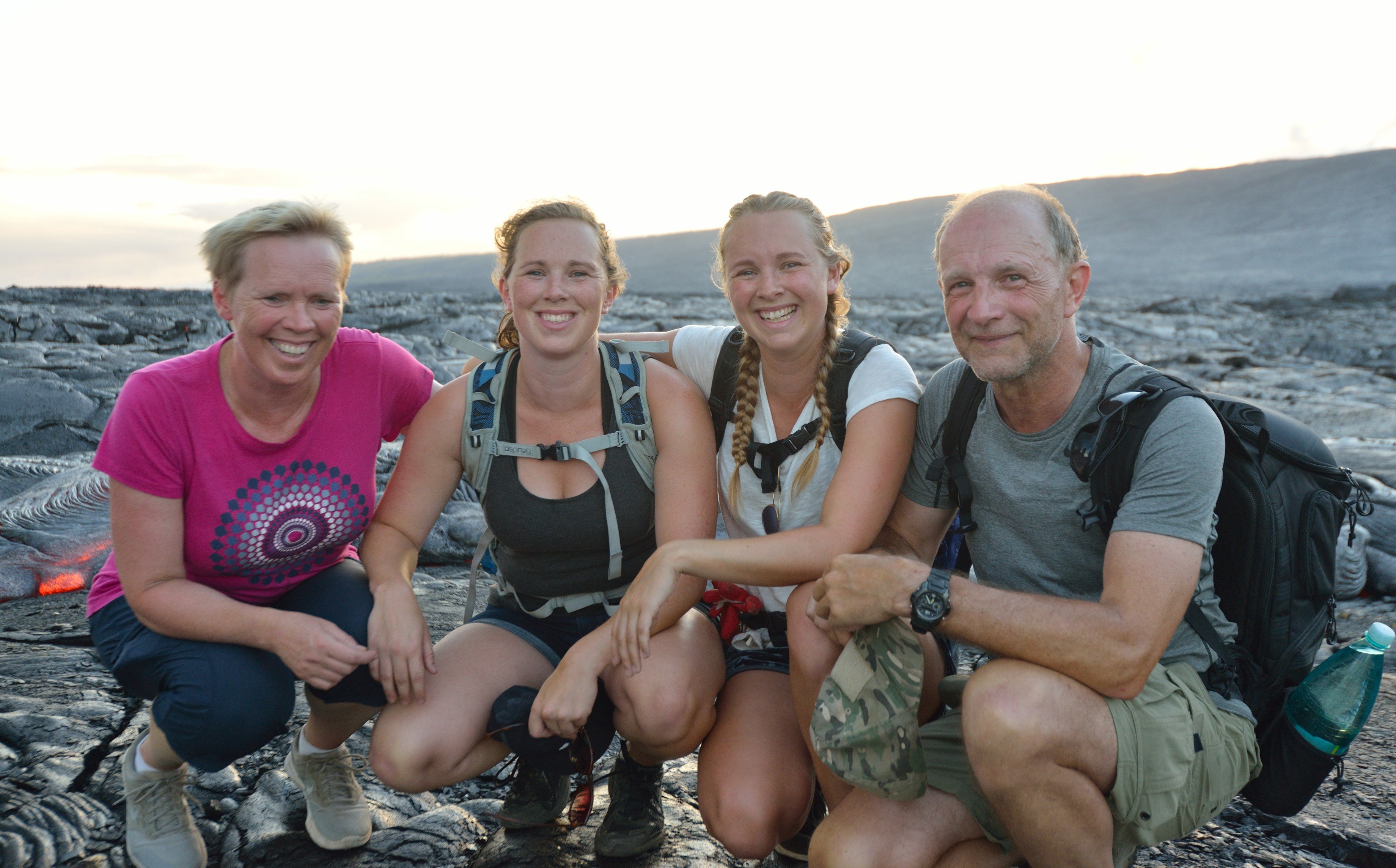
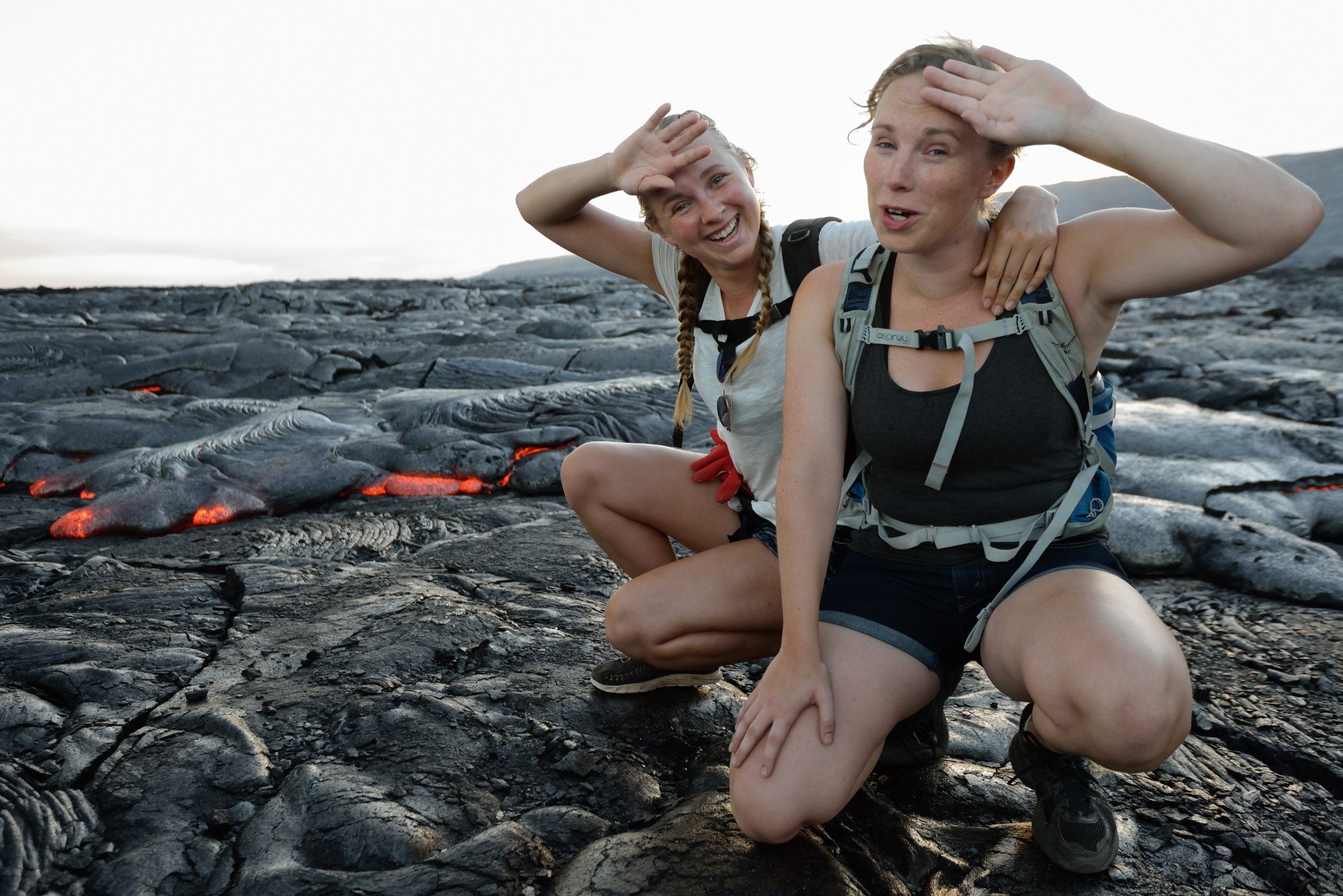
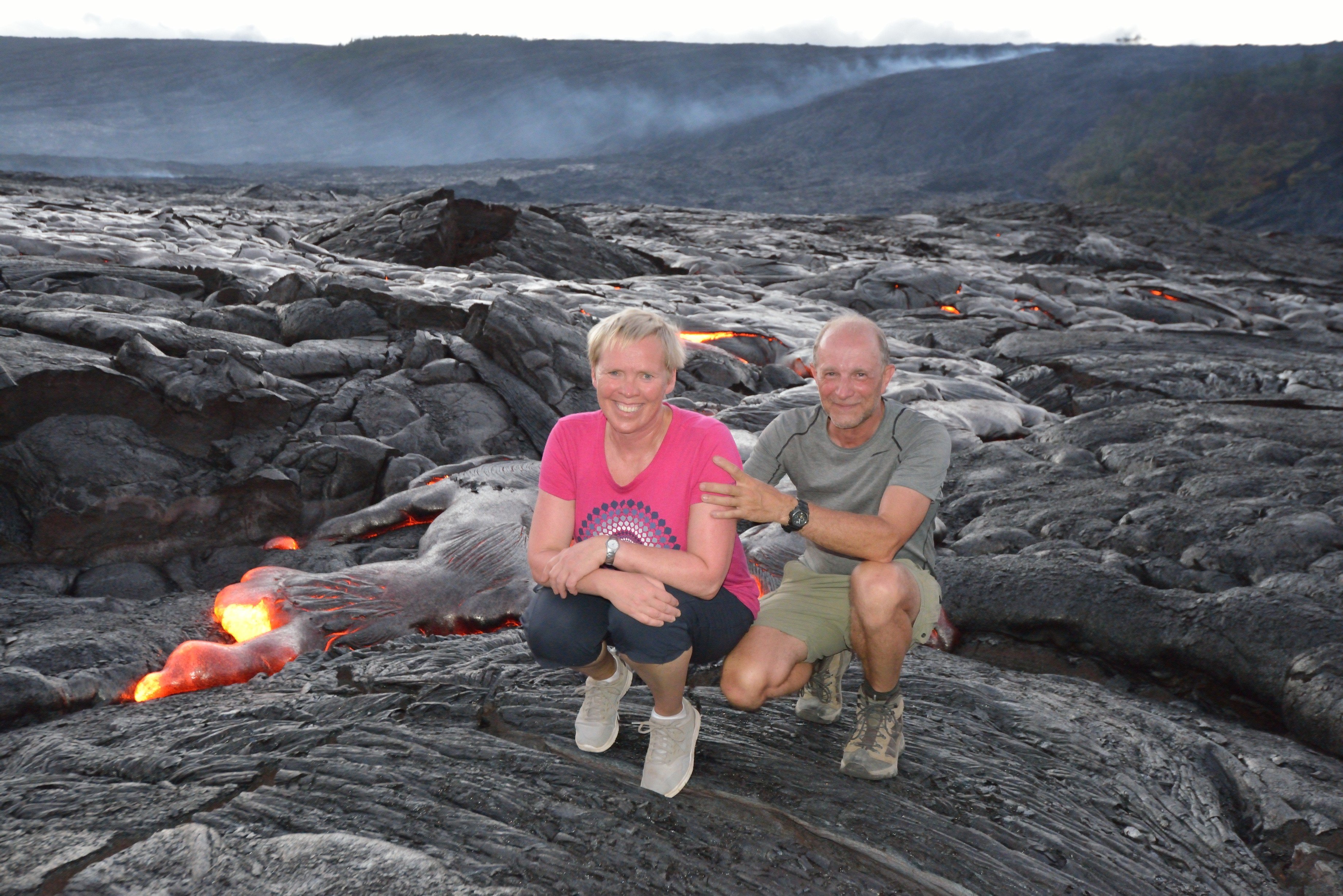
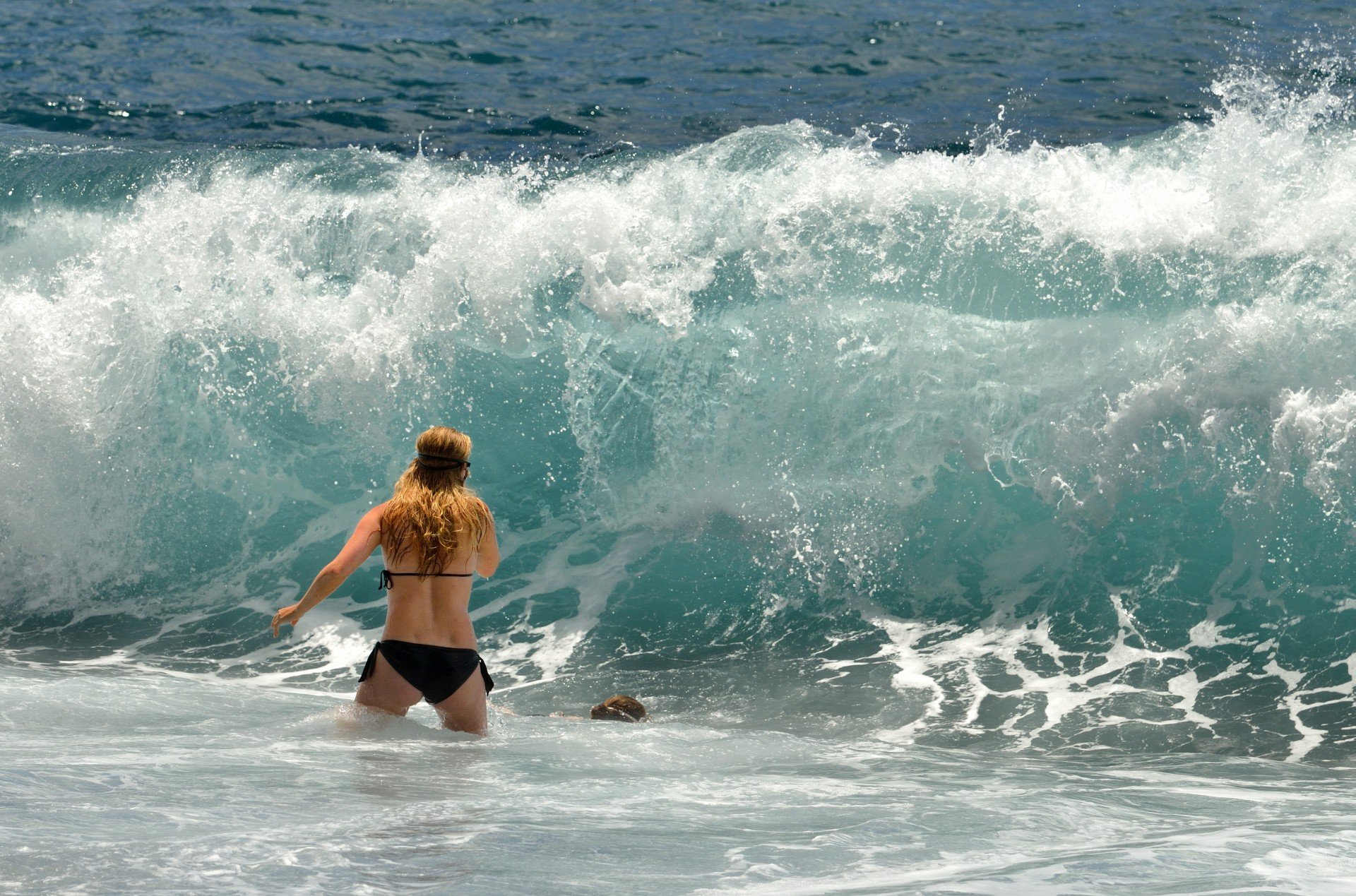
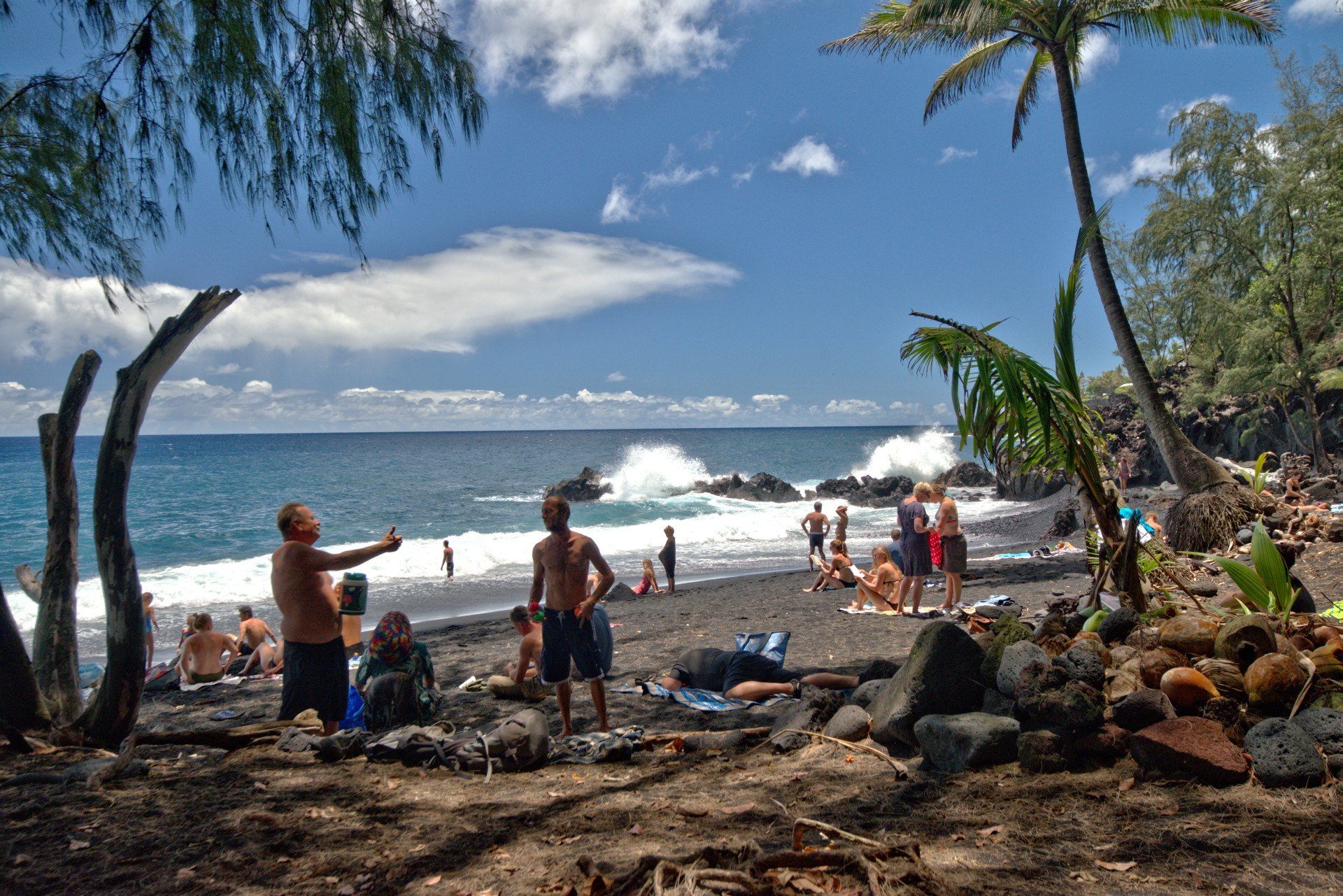
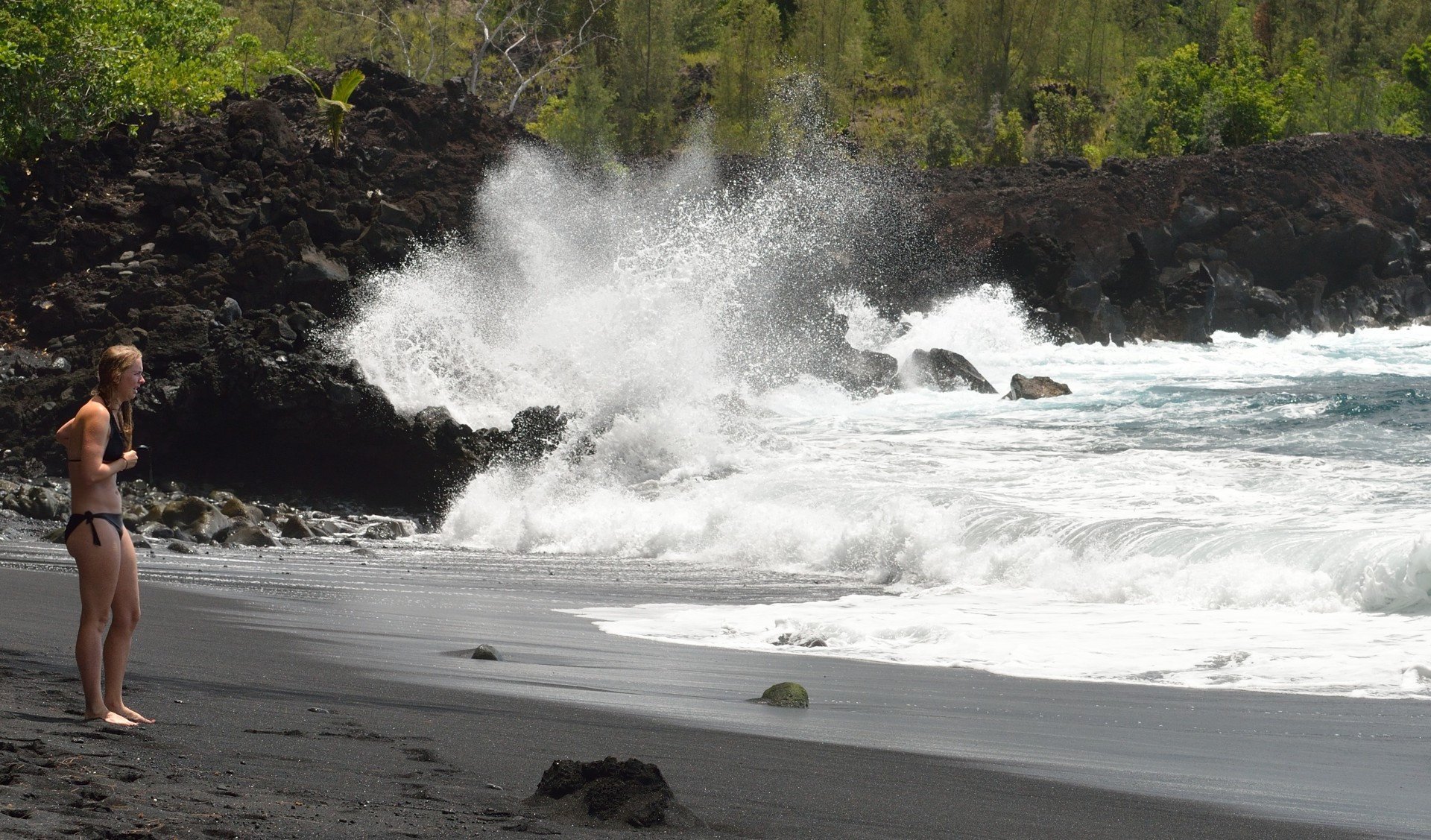
Big Island is much more than volcanoes. A visit to Kehena Black Sand Beach is definitely worth it — a small local beach close to the active volcano. The waves on Big Island suddenly grow and become sharp and high just before they reach land because the island is still so new — the beaches are not suitable for surfing, but the spectacle is dramatic.
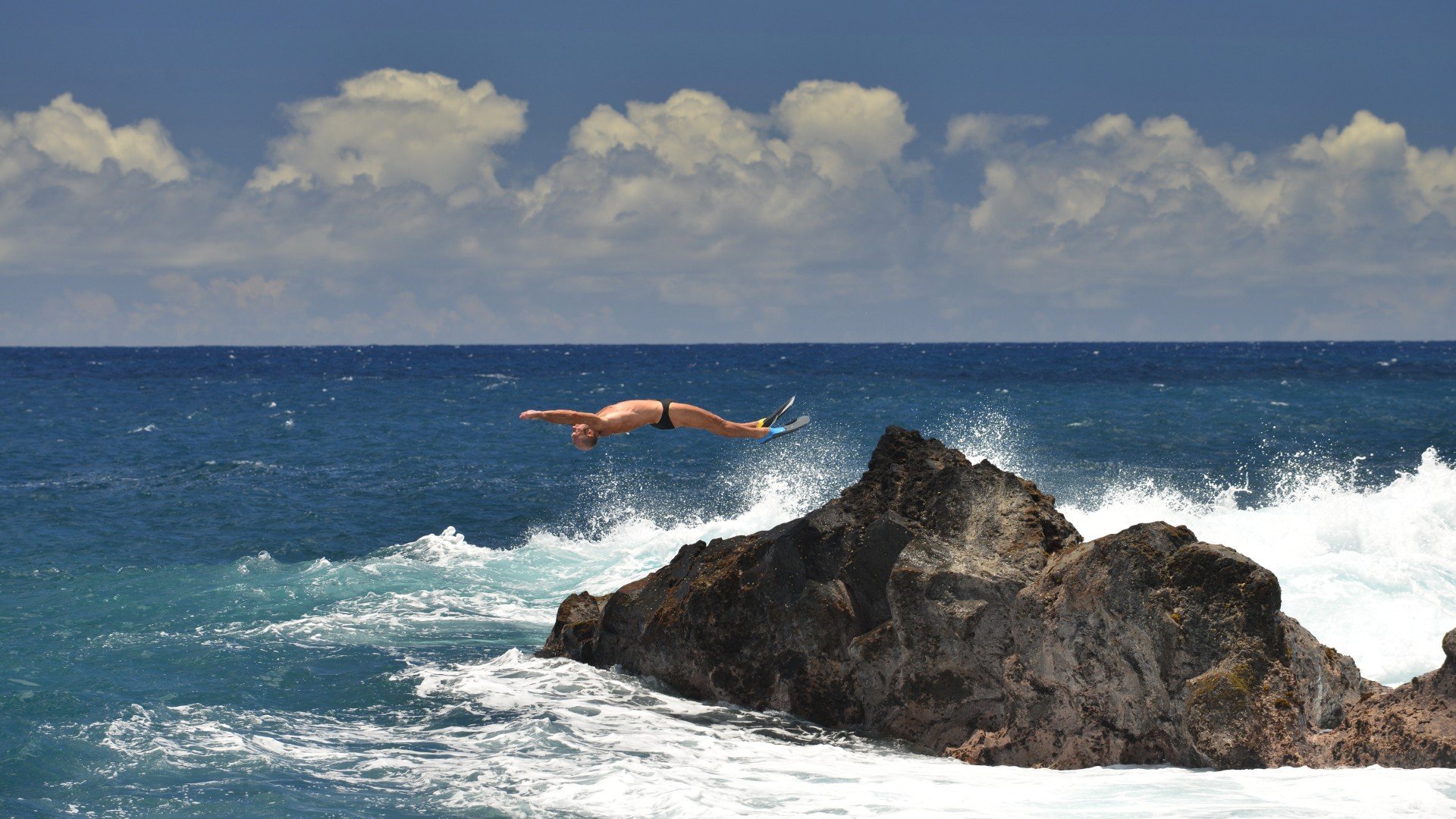
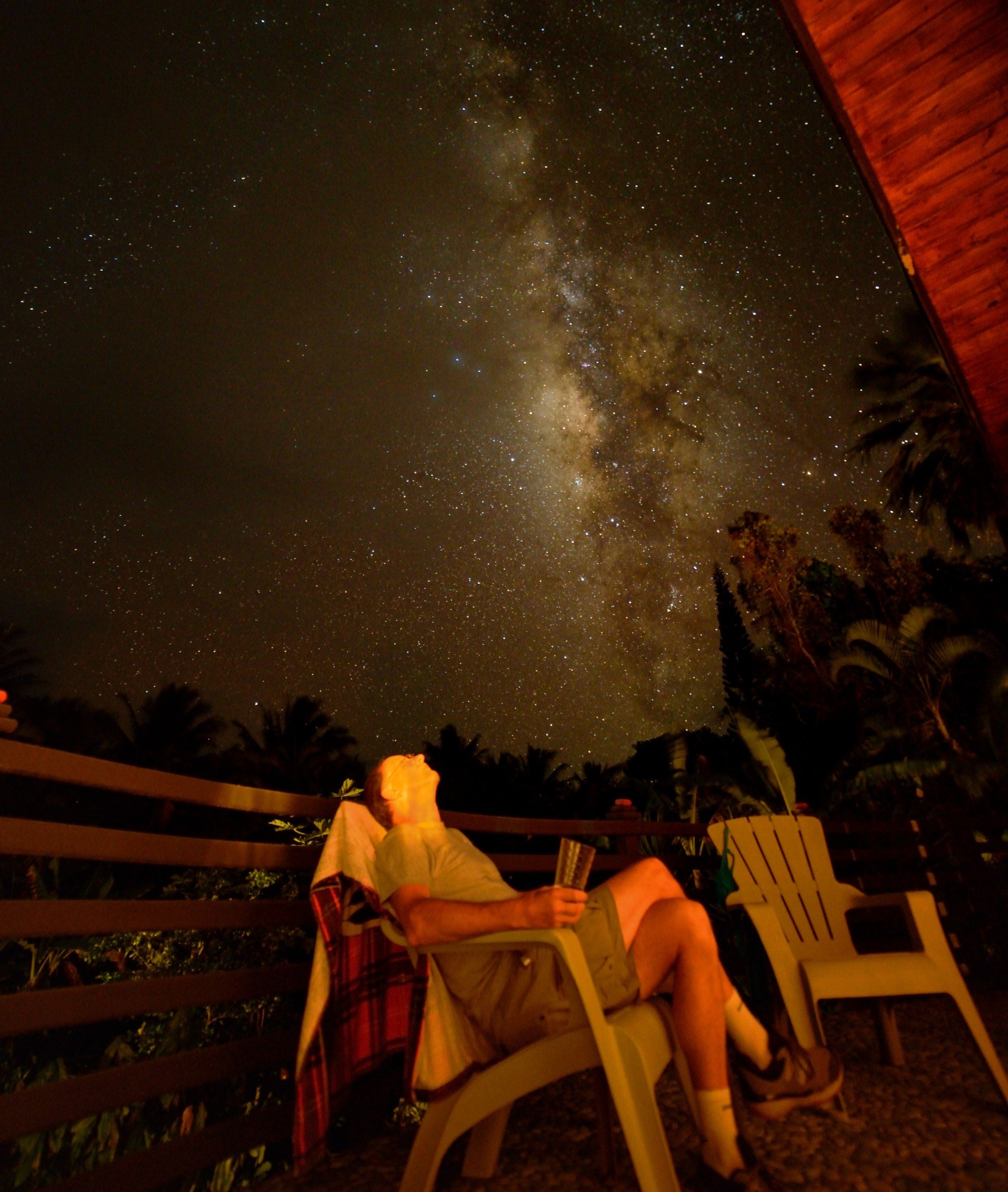
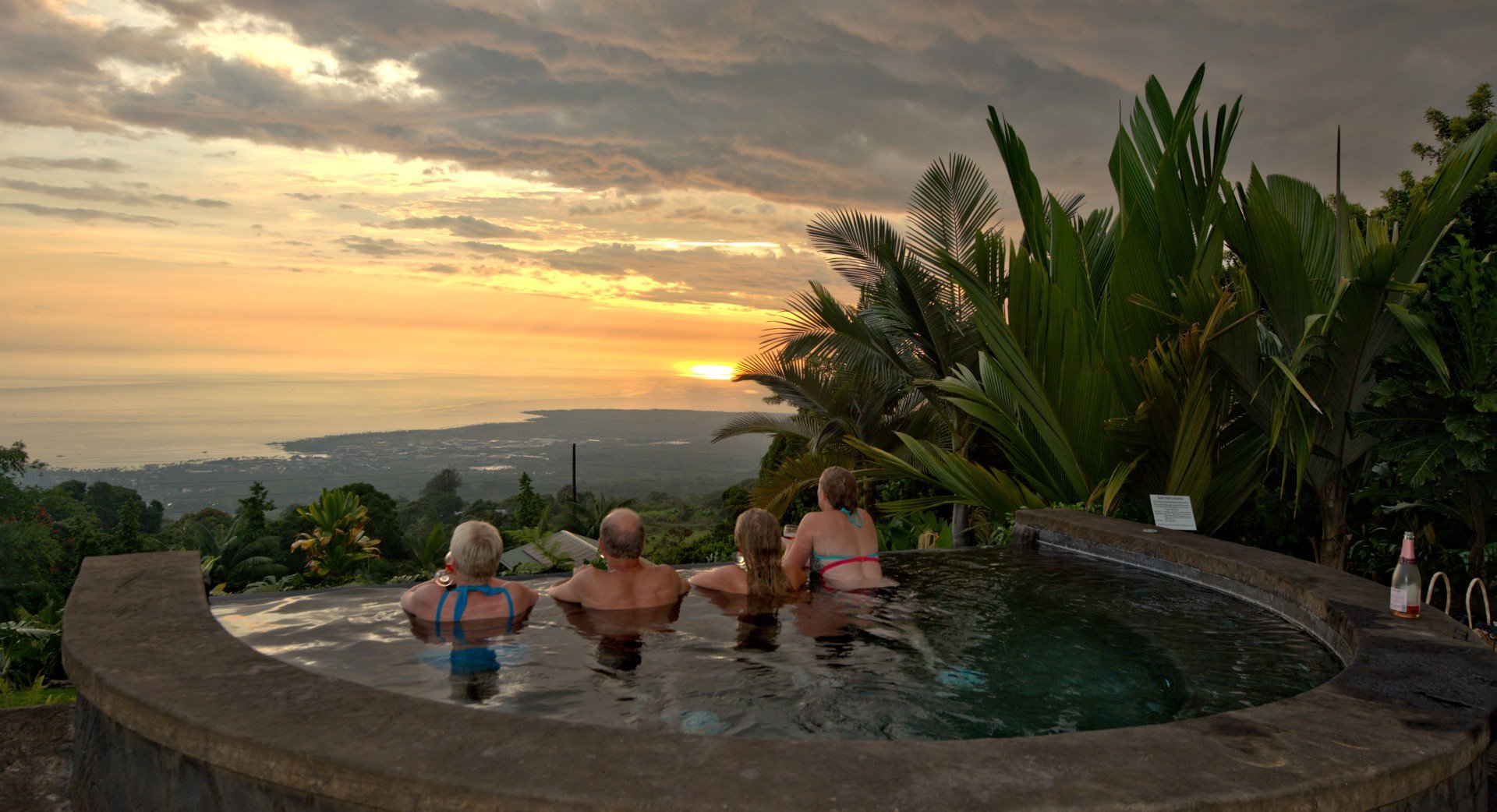
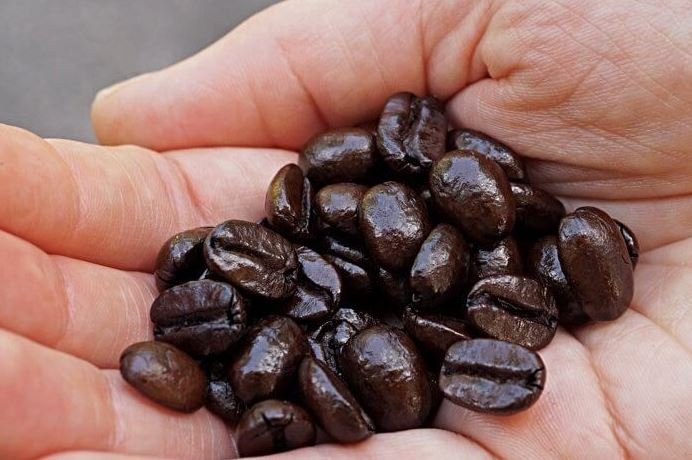
The last days on Big Island can be spent drinking local Kona coffee at an Airbnb coffee plantation and enjoying the sunset from the pool. The last picture was taken on the final evening, just before we drove to the airport — one last goodbye to Hawaii for this time.